Lisa Harding, MD, urges psychiatrists to gather histories, deprescribe safely, and send focused sleep referrals now that orexin agonists have arrived for narcolepsy.
Menopause-related sleep disruptions and slow-wave scoring bias may skew women’s neurodegeneration risk insights, SLEEP 2026 highlights.
CONFERENCE REPORTER
Jesse Cook, PhD, shared information gender differences in neurodegenerative conditions and sleep health at the SLEEP 2026 annual meeting.
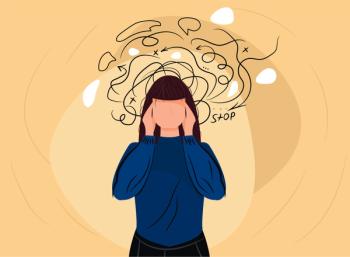
Cook noted that women experience significant sleep changes during perimenopause and menopause. Sleep disturbance associated with the menopause is characterized by frequent sleep interruptions. Issues include night-time awakenings and/or greater wakefulness after sleep onset, poor sleep quality, insufficient or nonrestorative sleep, and difficulty in sleep initiation or waking up early.1,2
The hormonal shift affects slow wave sleep, as evidenced by research conducted by Shaun Davidson, PhD. Davidson’s work highlights gender and age biases in slow wave sleep scoring and suggests women may have more slow waves than men, complicating the interpretation of sleep data in relation to conditions like Alzheimer disease or cognitive performance.3 These differences are influenced by hormonal and psychological factors, impacting cognition and the risk of neurodegenerative diseases.
Dr Cook is a postdoctoral fellow with a doctoral degree in clinical psychology from the University of Wisconsin-Madison. His research focuses on the intersection of sleep and mental health, with his primary program of research purposed to advance the classification, assessment, and treatment of unexplained hypersomnolence. He has additional research interests related to the strengths, limitations, and overall utility of wearable sleep tracking technology for research and clinical purposes, as well as the roles of sleep and circadian health in the performance and well-being of athletes.
References
1. Coborn J, de Wit A, Crawford S, et al.
2. Silvestri R, Arico I, Bonanni E, et al.
3. Davidson S, Sharman R, Kyle SD, Tarassenko L.