
Opinion|Videos|January 3, 2025
Use of PTSD Treatments in Clinical Practice
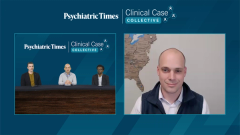
A panelist discusses how clinicians implement posttraumatic stress disorder (PTSD) treatments through a carefully structured approach that begins with establishing safety and stabilization, progresses through trauma processing using evidence-based interventions, and concludes with integration and relapse prevention strategies, all while maintaining therapeutic alliance and adjusting treatment intensity based on patient response.
Advertisement
Episodes in this series

Advertisement
Related to this article

Explore PTSD prevalence, comorbidities, and first-line care as we invite clinicians to share cases and research.

How VA clinicians treat veterans’ PTSD while managing suicide risk, using shared decisions, safety planning, and phase-based trauma therapies.
Advertisement
Advertisement
Trending on Psychiatric Times
1
The New, Impending Adult ADHD Guidelines
2
What Makes Us Human? The Role of Psychiatry and the Future DSM
3
Relief Is Not Free: A Case Study of Athlete Cannabis Use
4
Formulations Matter: The Approval of Olanzapine Extended-Release Injectable Suspension for Schizophrenia
5