

Top 2026 psychiatry conference takeaways: mixed-feature bipolar care, GLP-1 addiction trials, schizophrenia adherence, TD gaps, AI prodrome screening.
Top 2026 psychiatry conference takeaways: mixed-feature bipolar care, GLP-1 addiction trials, schizophrenia adherence, TD gaps, AI prodrome screening.

Transgender psychiatrists of color share APA first-panel insights on identity, allyship, and gender-affirming care—urging intersectional, culturally engaged mental health practice.

Discover an objective suicide risk assessment for patients denying ideation, using Suicide Crisis Syndrome and staged warning signs to guide earlier intervention.

Blood exosomal microRNA markers reveal oxidative-stress subtypes, predict psychosis conversion, and guide early, targeted treatments like MitoQ.
Weighing the risks and benefits of stimulants to treat ADHD.
Award-winning psychiatrist Steven Moffic, MD, urges psychiatry to elevate social, spiritual, and moral care, tackling burnout, tech, and ecological ethics.
Collaborative care boosts PTSD and opioid treatment together.
APA session probes ADHD stimulant prescribing, contrasts population studies with RCTs, and explores education and brain effects.
New trials find collaborative care improves OUD and mental health outcomes.
Psychiatrist Gus Alva highlights new depression therapies, neuromodulation, and why screening for bipolar disorder prevents antidepressant harm.

Learn why insomnia and daytime sleepiness signal psychiatric risk, and how screening for apnea, delayed phase, and fatigue sharpens treatment.
Explore why sexual health matters after 65 and how clinician comfort boosts disclosure.
Unpack gaming, gambling, social media, and exercise addiction, spotlighting comorbid anxiety, withdrawal signs, and harm-reduction treatment.

Learn how to spot bipolar mixed features, avoid antidepressant pitfalls, and choose evidence-based antipsychotics.
Digital gaming, gambling, and AI reliance drive emerging behavioral addictions, affecting mood and cognition.
Olanzapine-samidorphan keeps olanzapine efficacy yet limits weight gain, boosts negative symptoms, and cuts ER visits in real-world care.
Explore practical ways psychiatrists address sexual side effects and adjust medication for older adults.
How ketamine enhances psychotherapy—and what new psilocybin studies suggest about broader health effects.
Learn more about strategies for deprescribing, and the importance of finding the most effective medication possible.
See how overlooked birth trauma can mimic postpartum depression.
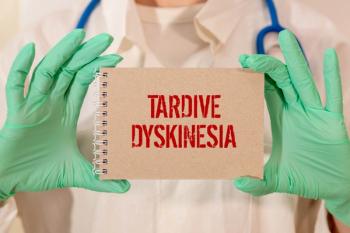
Real-world registry data reveals young adults with mood disorders face high TD burden yet low diagnosis rates, spotlighting urgent screening gaps.
How psychiatric illness shapes cancer care and outcomes.
Learn more about medication use in pregnancy and postpartum, including risks and benefit analysis.
Learn why adult ADHD often hides behind anxiety or depression, how childhood history and family risk guide diagnosis, and why stimulants still matter.
Analysis of speech, acoustics, and facial cues reveals early psychosis and suicide risk.
MRI-guided SAINT TMS aims to remit treatment-resistant depression in days.
Studies link compassion and wisdom to less loneliness and richer gut microbiome diversity, pointing to gut–brain targets for mental health interventions.
Guidance on psychotropic meds in pregnancy: personalize decisions, coordinate care, and plan early to prevent postpartum relapse.
GLP-1 drugs like semaglutide may curb alcohol and opioid cravings, as trials expand, combos emerge, and interaction risks surface.
Gut microbiome linked to loneliness, showing compassion-based wisdom may protect mental health over time.