Articles by Dee Rapposelli

Deep brain stimulation (DBS) may hold promise for patients with treatment-resistant and severe major depression and obsessive-compulsive disorder (OCD). However, it may not be the best choice for patients with Parkinson (PD) disease who display certain compulsive behaviors, reported researchers from the Cleveland Clinic and from Brown Medical School (Providence, Rhode Island) at the annual meeting of the American Academy of Neurological Surgeons, which took place April 22-27 in San Francisco.
Parkinson disease, hallucinations, thought disorderCognitive decline, role of estrogen in cognitive decline
Parkinson disease practice parameters
amyotrophic lateral sclerosis, ALS, sural nerves, sural nerve involvement
Although men are generally more apt to experience stroke than are women, women in their childbearing years are at greater risk for stroke than their male, age-matched counterparts. Indeed, pregnancy, childbirth, and the puerperium are the times when women are at particular risk, but there is more to the story.
Blood Pressure, Small-Vessel Disease, and Neuropathology: Connecting the Dots
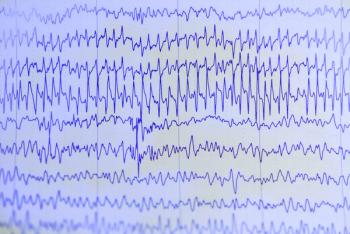
Affected patients with intractable epilepsy are treated, often for years, with antiepileptic drugs and other interventions that can promote further morbidity.
epilespy, focal epilepsy, temporal lobe epilepsy, 3 Tesla phased array MRI, surgical intervention for epilepsy
Two new recommendation papers--one on the use of serum prolactin (PRL) in the differential diagnosis of epileptiform seizures and the other on use of carotid endarterectomy (CE) in stroke prevention--were released this past September by subcommittees of the American Academy of Neurology (AAN).
The more severe the stroke, the greater the liklihood of poststroke epilepse.
A team of neuroscientists from Purdue University and Nagoya University in Nagoya, Japan, has identified acrolein as a key neurotoxin in the neurodegenerative process that follows traumatic spinal cord injury. Acrolein, a toxic industrial by-product, naturally occurs in the body in negligible quantities as free radical molecules. However, it can quickly accrue to toxic levels in response to trauma, stress, or exposure to environmental carcinogens. Carriage
An estimated 18,500 cases of primary cancer of the brain and CNS will be diagnosed this year, according to the American Cancer Society (Cancer Facts and Figures 2005;
Neurodegeneration associated with glaucoma was prevented in DBA/2J mice as a result of treatment with 1000 rads of radiation plus T-cell-depleted bone marrow.
Research on amyloid-beta immunotherapy for use as a therapeutic modality for Alzheimer disease (AD) is back on track, and new study results are promising.
How high is your knowledge quotient on special considerations in the treatment of women with epilepsy? In a presentation on managing epilepsy in special populations, Trevor J. Resnick, MD, director of the Division of Pediatric Neurology at the University of Miami, cited survey results published back in November 2000 in The Journal of Women's Health and Gender-Based Medicine,1 which illustrated that only 5% of the 3535 practitioners surveyed answered two thirds of the questions correctly. "Almost a quarter didn't know that there was a relationship between seizures and hormonal cycles. Over 80% didn't know that women with epilepsy have lower fertility rates. Two thirds didn't know that women are at a higher risk for osteoporosis and osteopenia. Three quarters didn't know which antiepileptic drugs-and this is very important-interacted and which did not interact with oral contraceptives," stated Resnick in his presentation at a symposium on advances in neurology held recently in New York City.
A joint research effort from Japan and the Mayo Clinic has identified an antibody that can help differentiate Devic syndrome-or neuromyelitis optica (NMO)-from multiple sclerosis (MS). NMO is generally considered to be a rare disease, but it may be underrecognized and is often misdiagnosed as MS, although it demands a treatment protocol that differs from that of MS. Indeed, in some countries, misdiagnosis may be as high as 30%, according to Mayo Clinic estimates. A research team hailing from the Department of Immunology and Neurology at the Mayo Clinic in Rochester, NY, led by neuroimmunologist Vanda A. Lennon, MD, PhD, in collaboration with a research team from Tohoku University School of Medicine in Japan, identified the autoantibody NMO-IgG, which appears to be a reliable marker for differentiating NMO from MS.
Mind-controlled artificial limbs were once the stuff of sci-fi and then were regarded as a concept that would not see clinical application until a far distant future. However, clinical application may be only a few years away.