

New case suggests muscarinic therapy xanomeline/trospium calms treatment‑resistant bipolar I mania with psychosis, hinting at nondopamine options.
New case suggests muscarinic therapy xanomeline/trospium calms treatment‑resistant bipolar I mania with psychosis, hinting at nondopamine options.

Learn how clinicians tailor simple, measurable activity plans that boost depression and anxiety treatment—and improve long‑term adherence.

Fitbit and Google Health app data feed Amae clinicians real-time sleep, physical activity, and heart rate variability signals to spot relapse early in severe mental illness.

Clancy trial spotlights postpartum psychosis: how to recognize warning signs, emergency treatment options, and why stigma and DSM gaps hinder care.
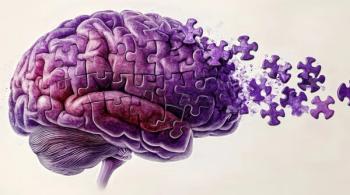
Explore Alzheimer’s breakthroughs: lecanemab, donanemab, FDA blood tests, 2024 criteria, and new options to ease agitation and improve care.

Learn how clinicians reframe side effects, curb nocebo, and boost outcomes using expectation, open-label placebos, and conditioning in psychiatry.

Study of 470 BIPOC adults in residential care finds the Unified Treatment Model sustains reductions in eating disorder, depressive, and anxiety symptoms.
New Alzheimer trial news highlights safer anti-amyloid PMN310, cannabinoids easing agitation, tau gene therapy progress, FDA Fast Track psychosis drug, and TBI inflammation targets.
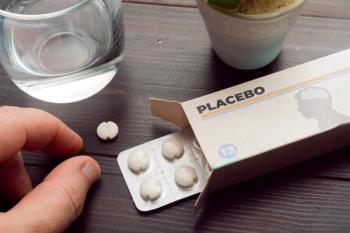
Experts discuss the impact of the placebo effect on psychiatric treatment outcomes.

Check out the pipeline updates from July!

Learn how an experienced psychiatrist structures first visits—from chief complaint to treatment plan—using empathic listening in telehealth or in person.

Retrospective cohort study of 1305 adults finds specialized virtual behavioral health care produced clinically meaningful gambling symptom improvement within 14 days.

FDA clears first triple reuptake ADHD drug Simtriyo, offering nonstimulant relief for adults and kids 6+ with executive and emotional symptoms.

Three posters presented at APA 2026 detail real-world treatment patterns, pooled long-term cardiometabolic safety, and urinary adverse event rates with xanomeline and trospium chloride.

From long-acting antipsychotics to psilocybin and new ADHD meds, clinicians weigh emerging therapies reshaping depression and postpartum care.

How can new Alzheimer therapies benefit patients today?

Emerging evidence shows eating disorders in male athletes are widely underrecognized, as screening tools built around female presentations overlook muscularity-driven behaviors like compulsive exercise, rigid dieting, and supplement misuse.

A first-in-vivo PET study finds M1 receptor availability reduced 13% to 19% across brain regions in schizophrenia, strengthening the case for muscarinic-targeted treatment.
New data show post‑TBI inflammation boosts amyloid; blocking soluble TNF with XPro1595 preserves memory and reduces pain, hinting prevention.

DSM's real weakness isn't categories—it's weak science. Explore when disorders are diseases vs dimensions, and why overlap misleads.

Brain capital drives competitiveness—see how ROI-focused mental health care and responsible AI expand access, build resilience, and boost productivity.
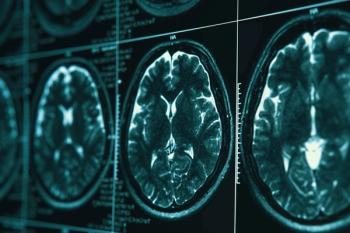
PMN310 shows strong 6‑month safety in early Alzheimer disease, with zero ARIA‑E and encouraging tau biomarker shifts before 2027 data.

Northwestern researchers identify a reduced CSF protein signal in schizophrenia and show a synthetic version restores brain circuit activity in mice.

Why teens use drugs and alcohol: avoidant attachment and emotional isolation fuel addiction; attachment-based therapy rebuilds bonds and cuts relapse.

Clinical AI in psychiatry falters when designers miss ward realities; better ethnographic UX research reduces alert fatigue, cognitive load, and boosts meaningful adoption.

New analysis shows COMP360 psilocybin sessions for PTSD stay mostly silent, with nondirective support boosting safety and autonomy.

Phase 2 ZEPHYR finds oral betovumeline combo reduces PANSS and improves cognition in acute schizophrenia, with generally mild side effects.

After TBI, soluble TNF sparks Alzheimer-like damage; XPro1595 blocks it in mice, preserving memory and reducing pain—hinting prevention.
Concussion recovery in teen athletes often masks anxiety or depression; learn warning signs, screening tips, and safer return-to-play steps.
FDA clears Simtriyo, a first-in-class NDSRI and central nervous system stimulant for ADHD, offering new symptom and executive-function gains.