





Psychopharmacology
Latest News
Advertisement
Latest Videos







Shorts

1:22
Discovering CYP Enzymes
8 hours ago
by
John J. Miller, MD(+1 more)

1:13
CPTSD and Recollecting Trauma
2 days ago
by
Joseph F. Goldberg, MD(+1 more)

0:54
"It's All in Your Head": Neuroscience & Mental Health
8 days ago
by
John J. Miller, MD(+1 more)

1:05
Combining Psychedelics & Psychotherapy
10 days ago
by
Joseph F. Goldberg, MD(+1 more)

1:21
Solving the Subjectivity Problem in Psychiatry
13 days ago
by
Joseph Geraci, PhD, MS

1:11
Combining Psychedelics and Therapy for Trauma Treatment
15 days ago
by
Joseph F. Goldberg, MD(+1 more)

1:21
Why Is It Called "Interventional" Psychiatry?
17 days ago
by
Joseph F. Goldberg, MD(+1 more)

1:06
Checking Thyroid Levels During Anxiety or Panic
20 days ago
by
Claire Brandon, MD(+1 more)

1:15
Precision Psychiatry: Beyond Diagnoses
21 days ago
by
Joseph F. Goldberg, MD(+1 more)

1:13
Why Psychedelic Clinical Trials Are Different
22 days ago
by
Gustavo Alva, MD, DFAPA
Podcasts










CME Content






Advertisement
More News

Cingulate shares plans to resubmit its ADHD candidate CTx-1301 to the FDA, following a CRL tied to CMC information requests

GLP-1 drugs enter psychiatry, curbing antipsychotic weight gain while raising new questions about addiction, mood, eating disorders, and culture.
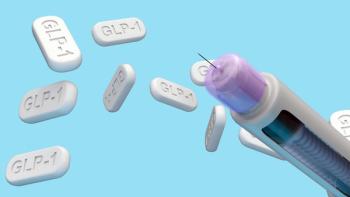
A Delphi panel recommends screening for eating disorders before GLP-1 receptor agonist initiation.

Alkermes launches a phase 2 trial of oral orexin-2 agonist ALKS 7290 to boost antidepressant response in major depressive disorder, assessing safety and symptom relief.

BCG vaccination curbs tau tangles in mice by boosting microglial cleanup, fueling hopes for human trials to reduce dementia risk.

GLP-1 weight-loss drugs may worsen eating disorders or mask symptoms; experts urge careful screening, specialist referral, and monitoring before, during, and after use.

Sabirnetug phase 2 Alzheimer trial misses cognitive endpoint despite lowering amyloid, prompting Acumen to halt development and open-label extension plans.

Psychedelic trials often exclude real-world comorbidities; clinicians must weigh blinding limits, dosing durability, support needs, safety risks, and uneven system readiness.

Neflamapimod misses its main DLB endpoint, but biomarker and subgroup signals suggest IL-1β pathway impact and may justify a phase 3 trial.
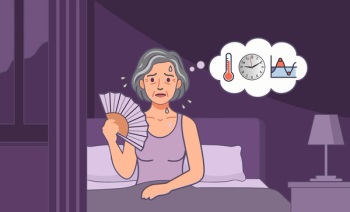
A systematic review and meta-analysis compares pharmacological agents with nonpharmacologic approaches to identify the most effective interventions for insomnia in peri- and postmenopausal women.

National survey shows most US adults don’t know AUD medications exist, and safety concerns plus racial disparities shape hesitation toward treatment.

GLP-1 drugs may quiet cravings by reshaping brain reward and satiety signals, reducing food-seeking drive and binge-like eating, while long-term effects remain unclear.

Breakthrough Alzheimer updates: UK adaptive platform trial tests repurposed drugs, new phase 2/3 therapies advance, and sleep disruption emerges as a treatable risk factor.

Phase 2 trial shows daridorexant boosts pediatric insomnia sleep time up to 50 minutes, including ADHD/ASD patients, with strong safety and phase 3 plans.

When an antidepressant seems to stop working, the patient’s deterioration is real. The explanation may be less certain.

The evidence points toward an overall protective effect in adult cohorts and no increase in completed suicide in younger populations.

Explore evolving ethical challenges of long-acting injectable antipsychotics, weighing relapse prevention against coercion, stigma, incentives, and racial equity in clinical practice.

This study compared the efficacy and tolerability of the 5 second-generation antipsychotics that are currently FDA approved as adjunctive treatments for adults with MDD.
Advertisement
Advertisement
Trending on Psychiatric Times
1
Ketamine for Treatment-Resistant Depression: Practical Clinical Considerations
2
sNDA Submitted: Caplyta for the Treatment of Bipolar Mania
3
Why Depression Subtypes Matter: Lessons From 25 Years in the Clinic
4
Mixed Results From Phase 3 Data for AR1001 in Alzheimer Disease
5