
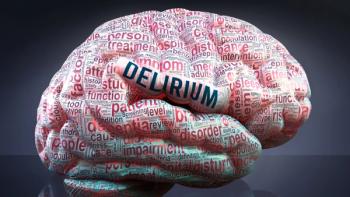
A critical care physician explains why quiet, hypoactive ICU delirium is often missed and why its effects follow patients long after discharge.


A critical care physician explains why quiet, hypoactive ICU delirium is often missed and why its effects follow patients long after discharge.
A pulmonary and critical care physician explains why quiet, hypoactive ICU delirium is often missed, carries worse long-term outcomes, and keeps affecting patients long after they leave the hospital.
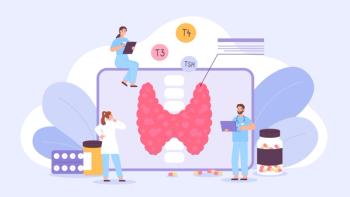
An endocrinologist warns psychiatrists against overreading peripheral thyroid hormones and flags kelp and T3 microdosing as underrecognized risks.
A TSH alone usually suffices, serial testing can feed anxiety, and age-specific ranges matter, an endocrinologist tells psychiatrists.
An interventional cardiologist and psychiatrist share bedside clues and red flags for palpitations misdiagnosed as panic disorder.

Spot SVT or POTS masquerading as panic attacks—key heart-rate clues, home maneuvers, and why anxiety can persist even after arrhythmia treatment.

Explore how hormones, labs, and medical conditions reshape psychiatric care—practical ordering tips and red flags from a new clinician-focused podcast.