


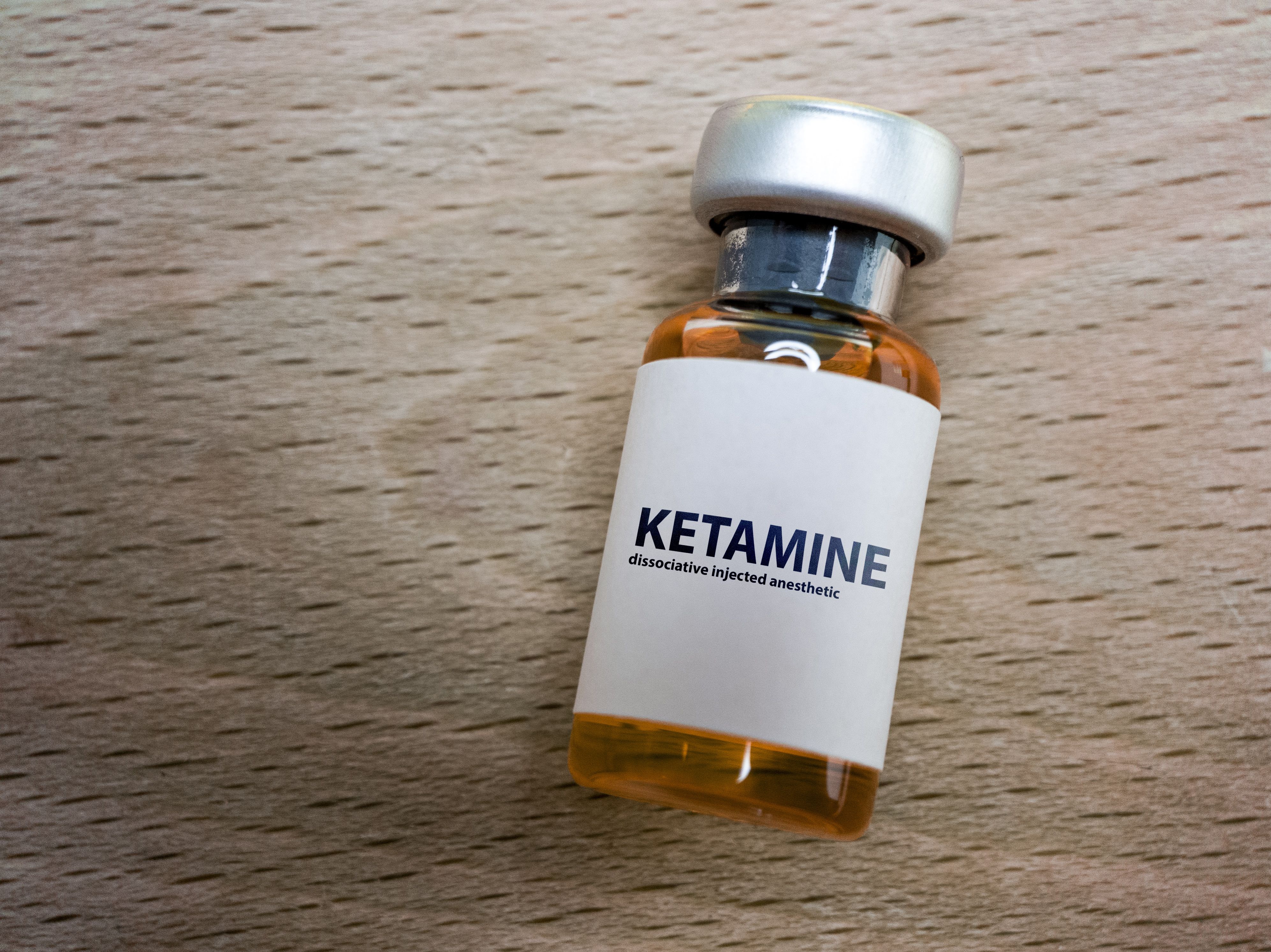



Major Depressive Disorder
Latest News
Advertisement
Video Series

Latest Videos




Shorts

1:06
Checking Thyroid Levels During Anxiety or Panic
21 days ago
by
Claire Brandon, MD(+1 more)

1:19
Why Rapid Depression Treatment Matters
21 days ago
by
Brandon Bentzley, MD, PhD

1:00
When to Deprescribe vs When to Get Interventional
a month ago
by
Joseph F. Goldberg, MD(+1 more)

1:11
Morning Coffee & Updates: The First-Ever TRD Awareness Day
a month ago
by
Leah Kuntz

1:03
Fatigue vs Sleepiness in Depression
a month ago
by
Manish Zinzuvadia, MD

1:26
Discussing Ketamine Administration & Safety
a month ago
by
John J. Miller, MD(+1 more)

1:02
When Should We Turn to Interventional Psychiatry?
2 months ago
by
Ryan Wakim, MD
1:04
Depression vs Sexual Dysfunction in Women
2 months ago
by
Joseph F. Goldberg, MD(+1 more)
1:01
Links Between Depression and Sexual Dysfunction
2 months ago
by
Joseph F. Goldberg, MD(+1 more)
1:09
Psychedelics for Treatment-Resistant MDD With HLP003
3 months ago
by
Ken Kramer, PhD
Podcasts







CME Content


Advertisement
More News

HLP003 achieved statistically significant and clinically meaningful results in the primary and key secondary endpoints starting as early as day 2.

Meta-analysis finds bright light therapy boosts remission and response in nonseasonal depression, offering a low-cost add-on to standard care.

Mixed-feature depression can signal bipolar risk; spot red flags and consider lurasidone or lumateperone before standard antidepressants.

Compass Pathways has completed its submission of an NDA to the FDA for COMP360 psilocybin for treatment-resistant depression.
GLP-1 drugs enter psychiatry, curbing antipsychotic weight gain while raising new questions about addiction, mood, eating disorders, and culture.

Alkermes launches a phase 2 trial of oral orexin-2 agonist ALKS 7290 to boost antidepressant response in major depressive disorder, assessing safety and symptom relief.

The evidence points toward an overall protective effect in adult cohorts and no increase in completed suicide in younger populations.

This study compared the efficacy and tolerability of the 5 second-generation antipsychotics that are currently FDA approved as adjunctive treatments for adults with MDD.

Real-world data show TRD costs spike during resistant episodes; Compass’ psilocybin COMP360 delivers durable symptom relief through 26 weeks, potentially easing resource strain.

Learn how clinicians tailor antidepressants by diagnosis, symptoms, adverse effects, and next-step strategies for treatment-resistant depression.

Explore major depression subtypes—from melancholic to inflammatory—and how they shape symptoms, biology, and treatment choices for better outcomes.

TRD often mislabels depression; learn why MDD heterogeneity demands tailored treatments and when “difficult-to-treat” fits better.

First US TRD Awareness Day spotlights treatment-resistant depression, urging earlier recognition, stigma-breaking support, and renewed hope for patients and caregivers.

Rethink “treatment-resistant depression” by adopting difficult-to-treat depression, verifying adequate trials, and stratifying drivers like trauma and inflammation to improve outcomes.

Vortioxetine eases depression in older adults, while cognitive gains stay mixed—showing selective boosts in attention and processing speed, not consistent global improvement.
Advertisement
Advertisement
Trending on Psychiatric Times
1
Ketamine for Treatment-Resistant Depression: Practical Clinical Considerations
2
Real-World Lecanemab Outcomes in Alzheimer Disease, Reported at 3 Years
3
DT-120 in Anxiety and Depression: Phase 3 Efficacy and Safety Findings
4
Clinical Data From Phase 3 ADEPT Studies Evaluating KarXT for Alzheimer Disease Psychosis
5