
How EmPATH units replace psychiatric ED boarding with rapid, trauma-informed treatment—cutting stays and admissions while improving follow‑up.
How EmPATH units replace psychiatric ED boarding with rapid, trauma-informed treatment—cutting stays and admissions while improving follow‑up.
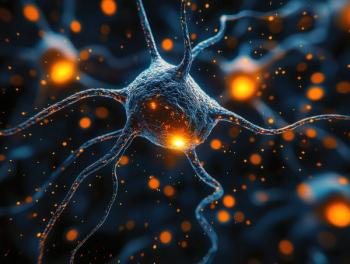
Learn how the inhibition constant and 5-HT2A binding explain LSD effects—and why potent atypical antipsychotics may rapidly end a bad trip.

FDA hearing spotlights debates over psychedelic therapy: who administers, how to prove efficacy, and how to track safety as approvals near.

New US adult ADHD guidance nears publication, promising clearer diagnosis, comorbidity screening, and clinician training to curb misdiagnosis.
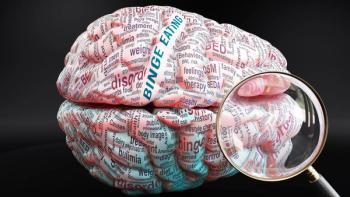
New research maps an mPFC–zona incerta circuit that drives punishment-resistant binge eating and hints at personalized brain stimulation targets for better treatment.

Phase 3 BLOOM tests 48-hour at-home oral brexanolone for rapid postpartum depression relief, with tighter monitoring after prior trial issues.

FDA clears Simtriyo, first NDSRI stimulant for ADHD ages 6 and older, as millions return to school—see what this means for treatment.

Phase 2 MOONLIGHT-1 shows JNJ-5120/PIPE-307 misses day‑5 MADRS improvement in MDD, yet remains well tolerated as J&J reviews next steps.

Catch up on last week's news in psychiatry.
Interactive Issue

Experts dissect 10 common antidepressant myths, separating evidence from fear on efficacy, addiction, suicide risk, withdrawal, and safe tapering.

Single-dose DT120 ODT delivers rapid, sustained anxiety relief in phase 3 GAD trial, supporting FDA breakthrough path and NDA plans.

Per capita state suicide prevention funding rose 6-fold from 2021 to 2025 and was more than double in states with 988 telecom fees, study finds.
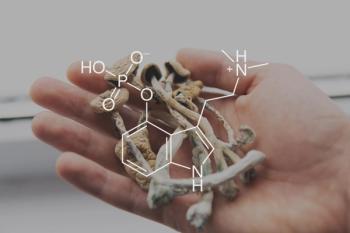
Health Canada has authorized a 200-participant phase 2 trial testing a single psilocybin dose for major depressive disorder, with dosing set to begin in 2027.

New NIH-funded study probes why many callers avoid returning to 988, linking user experiences and state systems to improve crisis support nationwide.

Phase 3 NEJM data show oveporexton improves wakefulness, reduces cataplexy, and boosts quality of life in narcolepsy type 1, with manageable adverse effects.

How postmodern ideas shape DSM and the biopsychosocial model—why psychiatry needs method-based, truth-seeking care beyond consensus and eclecticism.

Phase 1 driving simulation finds bedtime GlyphAllo for major depressive disorder shows no next-morning driving impairment, while advancing allopregnanolone-based oral treatment development.

Psychedelic psilocybin therapy shows year-long relief in treatment-resistant depression, with strong response rates and stable safety.

Learn why SSRIs impair sex and how bupropion, PDE5 inhibitors, buspirone, and newer agents can prevent or reverse antidepressant sexual side effects.
Catch up on psychiatry news from last week.

FDA boosts DT120 lysergide ODT after phase 3 shows lasting depression relief; psychedelic tablet also advances for anxiety and other brain disorders.
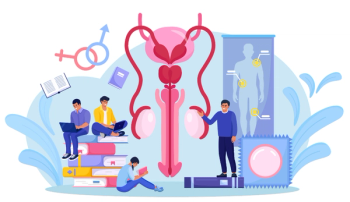
Experts unpack screening for sexual dysfunction in psychiatric care, menopause and meds impacts, and when flibanserin may help restore desire.

Pramipexole was associated with improvement in anhedonia and apathy, and with increased physical activity in patients with mood disorders, in a placebo-controlled trial that measured both behavioral and neurophysiologic change.

Discuss depression care challenges, comorbidities, and new treatments—submit cases, research, or CME ideas for Psychiatric Times’ September 2026 series.
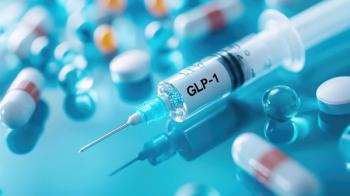
Review the developments in GLP-1s in 2026.
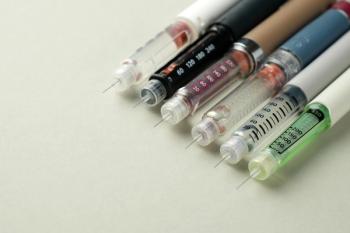
A target trial emulation of more than 1.5 million matched adults ties GLP-1 RA initiation to lower mortality and cardiovascular events in serious mental illness.

New trial shows edible THC worsens lane control and reaction time at low blood levels, raising doubts about current legal impairment limits.

ACP outlines ethical AI use in medicine—protect patient trust, curb bias, prevent deskilling, and guide transparent, equitable care.
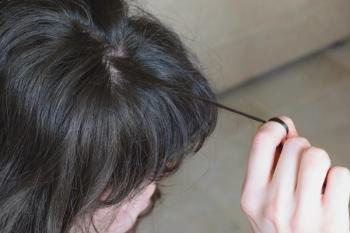
Yale trio-genomics study links hair-pulling and skin-picking to inherited OCD risk scores and rare DNA variants, hinting at shared brain pathways.