
Why does the prospect of getting back to normal after the pandemic disturb some patients? And what can be done to overcome these fears?
Why does the prospect of getting back to normal after the pandemic disturb some patients? And what can be done to overcome these fears?

Normalizing mental illness, reducing stigma, and the importance of self-care take a giant step forward during the Olympics.

After struggling with boundaries and saying "no," this psychiatrist found his voice.

What does 'resilience' include for older adults?

How can the sprinkler be applied to diversity, equity, and inclusion?

To move forward, we need to learn from the painful lessons of the past. On his birthday, thoughts turn to Emmett Till.

Acknowledging a patient's ability to grow and recover may help them feel more understood despite ongoing suffering.

How can freedom of thought conquer the conquerors?

By prioritizing minds and brains, governments, civil society, and companies will be better equipped with the health and skills needed to face unprecedented global challenges.

Resilience is a relatively neglected topic of research, but it has the power to dramatically improve patients' lives.
A growing body of scientific literature makes the case.
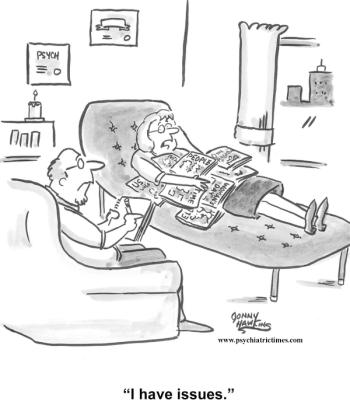
I have issues...

How can you reason with someone who is determined to believe misinformation? One doctor shares his reflections.

Imposter syndrome: a doctor’s nemesis…

Anger, sadness, incredulity… Here is why police and communities of color need to engage in an open conversation to foster trust.



An extended release, ultra-long acting antipsychotic takes another step forward in the approval process.
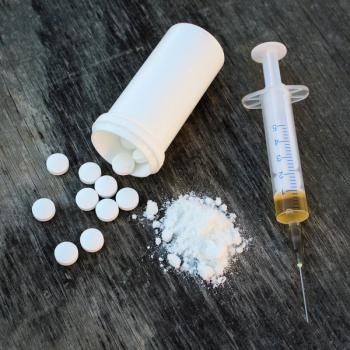
After the largest increase in overdose deaths in 50 years, the American Psychiatric Association sends out the call for improved substance use care.

Your patient tells you to get some rest, but they don’t know why you’re tired. What do you tell them?

A rare robust finding from a study on bipolar depression.

The world is facing a cognition crisis. Here’s how to face it with measurement-based cognitive care.

The wave of anti-Asian sentiment has exposed flaws in the health care system. What can psychiatry do to help?

If approved, SLS-002 would be only the second approved product for ASIB.

New research may help better understand psychosis etiology as well as provide potential biomarkers for psychosis.

"I can still hear my patient shriek..."

The COVID-19 pandemic should have us reflecting on the state of our health care system as well as embarking in a national dialogue on what type of system we want for this country and what investments we need to attain that vision.

Novel digital therapy modia will be evaluated in combination with sublingual buprenorphine/naloxone background therapy to see whether it is superior in reducing opioid use.
Anything new to discuss...?