

Here are 4 hopes for the improvement of the current state of mental health.
Here are 4 hopes for the improvement of the current state of mental health.
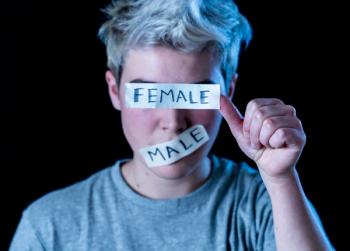
Transgender youth need our help.

Cherry blossoms: a symbol of rebirth.

In this Women’s History Month, let’s remember human trafficking.

We face a major ethical dilemma in how to help Ukraine.

When you apply politics to everyday life, the harmful physical and psychological effects on our everyday lives become apparent.
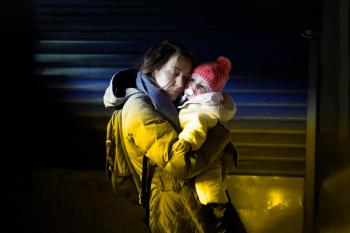
What literature can we use to stay updated on the situation in Ukraine?

Is our destructiveness our own undoing?
The hierarchy of 8 human psychological needs—how do we see them in the situation in Ukraine?

This International Women’s Day, we acknowledge the women in Ukraine and Russia who are struggling.

While it is easy to empathize with the victims of war, like Ukrainians, we must also recognize our own capability for destruction.

Here are 8 reasons the week was relevant psychiatrically and socially.

How did the President address mental health in his State of the Union address?

Nuclear war and climate instability driven by a desire for power and money.
We must not allow what happened at the Alamo to happen to Ukraine.
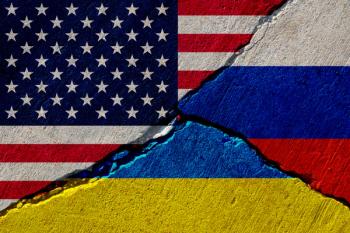
The Ukrainian invasion has begun. What does this say of Putin?

The state of US mental health may be poor, but what about psychiatrists specifically?
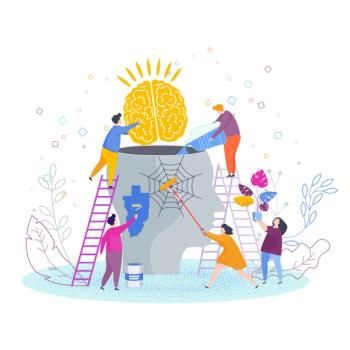
Is the US doing a worse job at caring for its citizens mental health than countries like the Netherlands?
Presidents Day may be a good signifier of the changing times.

Dancing may be under-recognized and under-appreciated in its potential health benefits.

This Valentine’s Day, there’s a lot of love to go around.

The Olympics: a time of togetherness or tension?

Frank Clark, MD, may have made history this weekend with an epic musical and poetry performance.

What did Punxsutawney Phil really say on Groundhog Day?

It might be time for an Asian-American Supreme Court Justice.
Are social psychiatric problems the responsibility of psychiatrists? Governments? Laws? Sociologists?

Helping patients is important, but so is a firm sense of physical and psychological safety and security.
With hate on the rise once more, remember these 10 conclusions.

Does prior trauma build resilience?
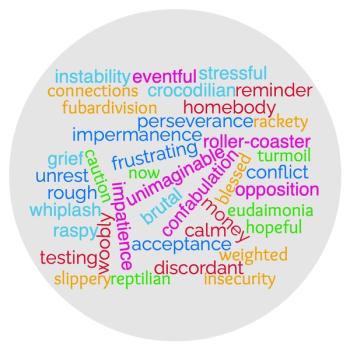
Your words of 2021 are gathered. How did others describe the past pandemic year?