
Ending the REMS cut the paperwork, but reimbursement that ignores clozapine’s added care demands still keeps the drug from patients who could benefit.
Ending the REMS cut the paperwork, but reimbursement that ignores clozapine’s added care demands still keeps the drug from patients who could benefit.
AI should take over burdensome tasks, not clinicians, and guardrails must stop decision support systems from guessing.
An esketamine expert reflects on 7 years of nasal spray use and asks why racemic ketamine faces none of the same rules.
Review the origins and advancements of ECT.
ASCP awardee Leslie Citrome explains why effect size, NNT, and NNH beat P-values, helping clinicians choose treatments tailored to each patient.
Clinicians explore transdiagnostic anhedonia—reward learning, loneliness, and digital rewards—offering practical ideas to personalize treatment.
ASCP 2026 leaders share practical ways to engage patients in acute psychosis—active listening, noncollusive language, and rapport before assessment.

Explore the complexities of delirium and its neuropsychiatric disturbances, highlighting innovative treatment approaches and the latest research insights.
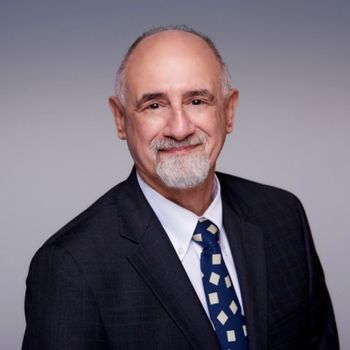
Phillip R. Muskin, MD, discusses the complexities of prescribing antipsychotics, emphasizing patient collaboration and the importance of evaluating treatment strategies.

Take a look at innovative GSK-3β inhibitors to enhance efficacy and reduce adverse effects seen in lithium with Jonathan M. Meyer, MD, DLFAPA, at the 2025 APA Annual Meeting.

Discover how insulin influences mood and cognition, revealing new therapeutic possibilities for depression and bipolar disorder, in this discussion with Roger McIntyre, MD, FRCPC, at the 2025 APA Annual Meeting.

Experts discuss groundbreaking insights on ketamine's role in treating depression, highlighting its rapid effects and potential to transform psychopharmacology.

How does adult ADHD differ from pediatric ADHD? Jeffrey Newcorn, MD, shared his expertise at the 2025 APA Annual Meeting.
Antipsychotic plasma levels play a critical role of in treatment decisions. Learn more in this conversation from the 2025 APA Annual Meeting.