











Do cholinesterase inhibitors lead to weight loss in older adults with dementia? Here's a wrap up of a large study of patients in a real-world setting who had newly started these medications.
Do cholinesterase inhibitors lead to weight loss in older adults with dementia? Here's a wrap up of a large study of patients in a real-world setting who had newly started these medications.

Whether marijuana use should be legalized is a subject worthy for debate. It is unfair, however, for patients who have real health problems to be misled into believing that there is a magical cure.

Chronic health problems like diabetes only get worse with depression. New research shows the time is now to address both concerns.
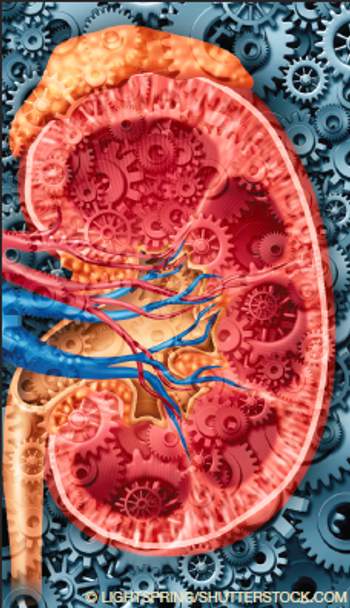
Renal failure is not an uncommon disorder either in the general public or in patients with psychiatric disorders, but accompanying depression, anxiety, and loss must be attended to during such an illness.

As the intricate relationship between impaired glycemic control and bipolar disorder begins to unravel, possible directions for treatment options for the mood disorder continue to expand.

Depression and diabetes can prey on the shortcomings of our health care system, such as fragmented, episodic care and poor continuity. Coordinating care can be fraught with difficulties, but it is the goal of many current efforts in health care reform.

Psoriasis, a chronic inflammatory, autoimmune skin disorder, is associated with both genetic and environmental factors. It has important treatment implications for patients who have psychiatric disorders.

There are probably few health care professionals who are unaware of the concerns about the apparent overprescription of opioids. However, we have had only limited information on how good a job physicians may actually be doing in prescribing these medications.

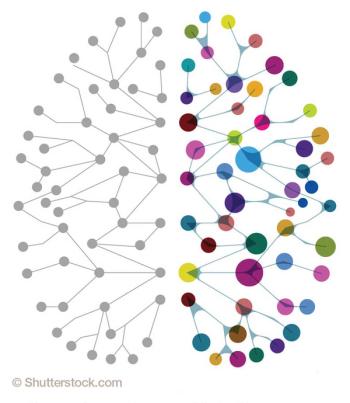
The authors take an in-depth look at the evaluation, diagnosis, and fundamental treatment recommendations, protocols, and guides to therapy for psychogenic nonepileptic seizures.

Metabolic syndrome may be a particularly important marker of antipsychotic metabolic effects.
Although the somatizing disorders cover a vast array of symptomatic domains across many medical specialties, this article addresses the broad topic conceptually.
The need to integrate psychiatric treatment with somatic care puts psychosomatic medicine in a unique position to focus on older patients who would not otherwise seek specialized treatment.
An overview of select topics in clinical psycho-oncology, including assessment and management of delirium and brain lesions, mood and anxiety disorders, medication adverse effects, and existential death anxiety.
Psychiatrists should be playing a key role in end-of-life decisions as well as, not coincidentally, in pain management.
Why do patients with eating disorders resist treatment? How can the clinician address resistance?
It is absolutely essential that every person who has bipolar disorder be screened for risk factors related to metabolic syndrome and diabetes and traditional risk factors like overweight and eating habits. More in this podcast.
We know there is extensive overlap between bipolar disorder and medical morbidity-including obesity, diabetes, and metabolic syndrome. The real question is why. More in this podcast.
Vascular surgeons, internists, and neurologists all exist-but why aren’t there any vascular psychiatrists? There certainly is a need.
Treatment approaches to counter adverse metabolic effects associated with the atypicals.
Obesity is one of the most common physical health problems in individuals with psychiatric conditions and contributes to excess medical morbidity and mortality. Several classes of psychotropic medications, particularly atypical antipsychotics, cause weight gain. While these issues pose challenges to optimal health, the good news is that there are solutions and emerging strategies.

Hypothyroidism is a common clinical disorder that psychiatrists frequently encounter. However, symptoms of thyroid dysfunction are often vague and nonspecific, which can lead to delayed or missed diagnosis.
This article highlights evidence-based treatment with herbs and nutrients with good tolerability and potential benefit when integrated into psychiatric practices.
A panel of experts at the APA Annual Meeting discussed how changes in DSM-5 may affect clinical practice. Highlights here.