

Commentary|Videos|July 12, 2023
Approach to Treatment in Patients with MDD
Practitioners discuss their approach to treatment with their patients with major depressive disorder (MDD).
Advertisement
Episodes in this series









Advertisement
Related to this article

Should rTMS replace SSRIs as first-line treatment for major depressive disorder? These authors weigh the evidence on mechanism, efficacy, adverse effects, and cost.
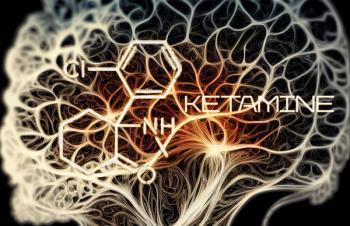
2R,6R-HNK reproduces ketamine’s rapid antidepressant profile in rodents without dissociation or abuse signals, and is now in four phase 2 trials.

Explore how clinicians subtype depression using severity, stressors, suicidality, sleep, and anxiety patterns to sharpen diagnosis, guide treatment, and build trust.

Learn more about the randomized, double-blind phase 2b study of naturally derived psilocybin in MDD, and more.
Clinicians weigh ketamine vs FDA-approved esketamine for TRD, with evolving guidance on dosing, safety monitoring, and long-term maintenance decisions.

Review news from the last week in pharmacology, legislation, and research.

Hormone shifts during menstruation, pregnancy, and menopause can trigger depression in susceptible women, highlighting connected brain pathways and guiding targeted, stabilizing treatments.

HLP003 achieved statistically significant and clinically meaningful results in the primary and key secondary endpoints starting as early as day 2.
Advertisement
Advertisement
Trending on Psychiatric Times
1
Long-Acting Injectable Antipsychotics: Balancing Evidence, Ethics, and Patient Care
2
Reimagining Depression Care: Why rTMS Should Be First-Line Treatment
3
Beyond the ED: What Psychiatric Providers Can Learn From a Crisis Receiving Center
4
Podcast: Bessel van der Kolk, MD, on Trauma, Attachment, and the Limits of Pharmacotherapy for PTSD
5