

You’ve got a friend in me…

Dr Moffic is an award-winning psychiatrist who specializes in the social, cultural, ethical, spiritual, and religious aspects of psychiatry, and since 2012 is in retirement as a private pro bono community psychiatrist. A prolific writer and speaker, he has done a weekdays column titled “Psychiatric Views on the Daily News” and a weekly video, “Psychiatry & Society,” since the COVID-19 pandemic emerged. Among his diverse and rare combination of major awards for psychiatrists, he was selected to receive the international Oskar Pfister Award for his contributions to religion, spirituality, and psychiatry at the American Psychiatric Association (APA) annual meeting in May 2026. Previously, he was chosen to receive the 2024 Abraham Halpern Humanitarian Award from the American Association for Social Psychiatry; the 2016 Administrative Psychiatrist Award from the American Psychiatric Association; in 2002, the one-time designation of being a Hero of Public Psychiatry from the Speaker of the Assembly of the APA; at the turn of the new millennium, an APA Art Association award at the annual meeting for his displayed collage “Any Point of View (of Rusti) is Pure Delight”; and in 1991 the Exemplary Psychiatrist Award from the National Alliance for the Mentally Ill. He also presented the third Rabbi Jeffrey B. Stiffman lecture at Congregation Shaare Emeth in St. Louis on Sunday, May 19, 2024. He has been an advocate and activist for mental health issues related to climate instability, physical burnout, and xenophobia, among other social justice causes, serving on many related local and national community and professional Boards. He has edited the requested 5-volume series on religions and psychiatry for Springer: Islamophobia, anti-Semitism, Christianity, The Eastern Religions and Spirituality, and in 2026, the Second Edition of Islamophobia and Psychiatry. He serves on the Editorial Board of Psychiatric Times.
You’ve got a friend in me…

Here’s why vaccination remains important.

What ingredients make a good leader?

Monkey see, monkey do... how similar are we to bonobos?
Leaders codes of ethics: how are they similar and different?
We keep looking to the stars, but should we be looking inside instead?
Laughter may be one of the best medicines in psychiatry and in leadership—if used correctly.

Exploring leadership styles... and pondering which is needed most in psychiatry.

With so much negativity in the mass media, stories showcasing the best in humanity can help us see the good in life.
What makes a great (or not-so-great) leader? These psychological theories of leadership provide insight.

In this time of leadership crisis, what can we learn from differently from great male and female leaders?
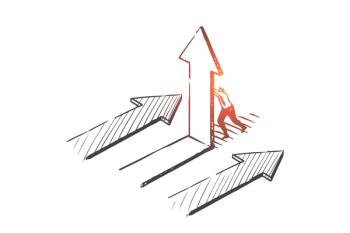
The world’s leaders are in crisis. What can we do?
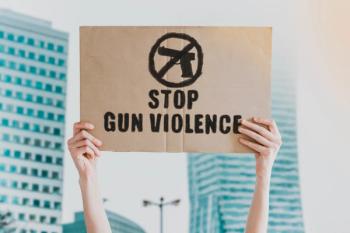
It is time to stop denying this lethal reality…

About a year ago, things seemed to be looking up. Where are we now?

Following the Highland Park shooting, on a day meant for celebration, proves we need action now more than ever.

How’s retirement going? Well…
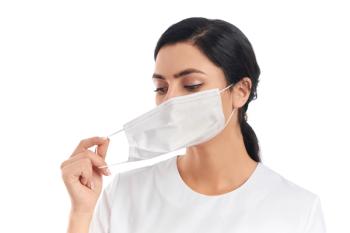
To mask or not to mask? What do you think?

Pride: an alternative to stigma and shame. Why don't we ever hear the word in psychiatry?

Pride might be bittersweet this year…
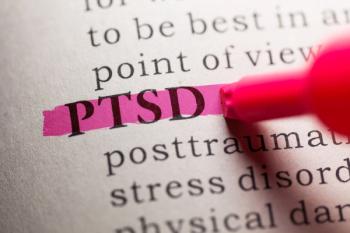
Today is PTSD Awareness Day!
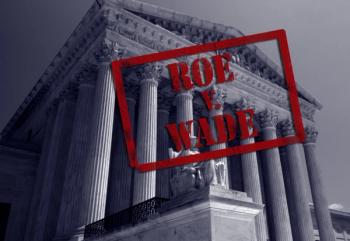
Roe v. Wade has been overturned. How will this affect the mental health of both mothers and fetuses?
“Our country needs the psychological healing of our increasing divisiveness and conflicts…”

How does Title IX benefit women?

How can we address our national mental health crisis?
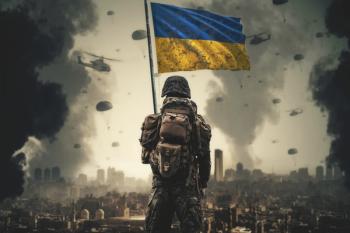
It is important to consider the lessons from history and psychology as the war in the Ukraine continues.
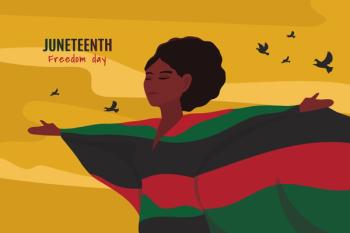
In psychiatry, there is much to learn and consider from these 2 celebrations.
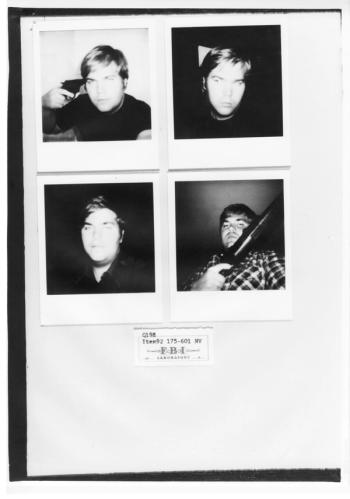
Have we learned anything from history regarding gun safety?

We may now know the answer to the question "are we a traumatized nation?"

Can we borrow terminology to help identify—and address—the mental issues associated with gun violence?

Is a picture really worth a thousand words? And, if so, is it what is needed to make a difference in gun violence reduction?