

“A physician shall recognize a reasonability to participate in activities contributing to the improvement of the community and the betterment of public health.”

Dr Moffic is an award-winning psychiatrist who specializes in the social, cultural, ethical, spiritual, and religious aspects of psychiatry, and since 2012 is in retirement as a private pro bono community psychiatrist. A prolific writer and speaker, he has done a weekdays column titled “Psychiatric Views on the Daily News” and a weekly video, “Psychiatry & Society,” since the COVID-19 pandemic emerged. Among his diverse and rare combination of major awards for psychiatrists, he was selected to receive the international Oskar Pfister Award for his contributions to religion, spirituality, and psychiatry at the American Psychiatric Association (APA) annual meeting in May 2026. Previously, he was chosen to receive the 2024 Abraham Halpern Humanitarian Award from the American Association for Social Psychiatry; the 2016 Administrative Psychiatrist Award from the American Psychiatric Association; in 2002, the one-time designation of being a Hero of Public Psychiatry from the Speaker of the Assembly of the APA; at the turn of the new millennium, an APA Art Association award at the annual meeting for his displayed collage “Any Point of View (of Rusti) is Pure Delight”; and in 1991 the Exemplary Psychiatrist Award from the National Alliance for the Mentally Ill. He also presented the third Rabbi Jeffrey B. Stiffman lecture at Congregation Shaare Emeth in St. Louis on Sunday, May 19, 2024. He has been an advocate and activist for mental health issues related to climate instability, physical burnout, and xenophobia, among other social justice causes, serving on many related local and national community and professional Boards. He has edited the requested 5-volume series on religions and psychiatry for Springer: Islamophobia, anti-Semitism, Christianity, The Eastern Religions and Spirituality, and in 2026, the Second Edition of Islamophobia and Psychiatry. He serves on the Editorial Board of Psychiatric Times.
“A physician shall recognize a reasonability to participate in activities contributing to the improvement of the community and the betterment of public health.”
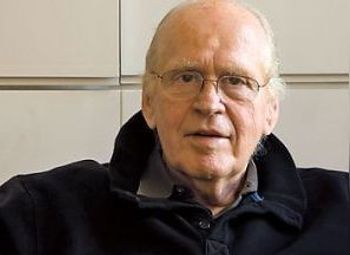
Another of psychiatry’s giants recently passed away.

The debate on the Goldwater Rule continues...

What did Punxsutawney Phil really say on Groundhog Day?

Anti-Semitism has been rising again around the world, and here's how the past can help us.

It might be time for an Asian-American Supreme Court Justice.

Are social psychiatric problems the responsibility of psychiatrists? Governments? Laws? Sociologists?

Helping patients is important, but so is a firm sense of physical and psychological safety and security.

With hate on the rise once more, remember these 10 conclusions.

What climate change sign would you march with?
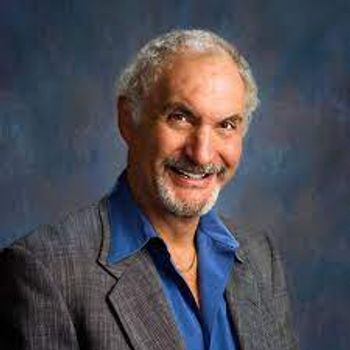
Let’s celebrate the life of the healing, dancing psychiatrist and friend, Carl Hammerschlag, MD.

Does prior trauma build resilience?
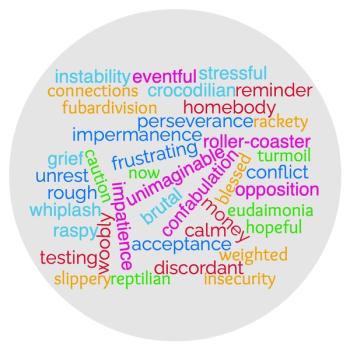
Your words of 2021 are gathered. How did others describe the past pandemic year?

West Side Story: entertaining, but also telling.
The recent hostage situation at a synagogue in Texas in indicative of a larger underlying problem.
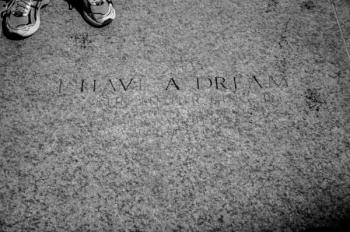
Several important events, all in 1 day.

Rationing of crucial materials during the pandemic, like masks and vaccines, has become a matter of life and death.

Maya Angelou and George Washington: now on two sides of the same coin.

Radical hope: knowing the seeming impossibility of the task and still having hope anyways.

What word best describes 2021 for you?

As rising health care needs meet inadequate resources and overstressed physicians, is a strike necessary?
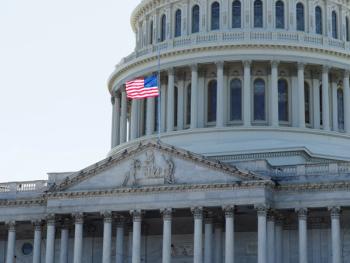
How can we examine the distress of 1/6/21 through a lens of clinical psychiatry?
How can we better define, clarify, and expand the Goldwater Rule for ethical and effective use in today's society?
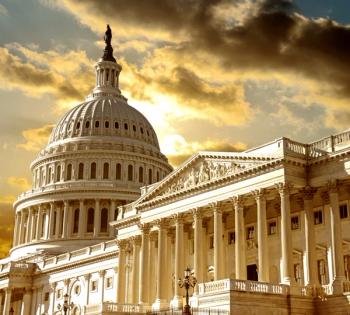
Today marks the 1-year anniversary of the conflict at the Capitol. What psychiatric trauma did this event leave in its wake?

In 2021, we lost some excellent psychiatrists who stuck to their convictions and changed psychiatry as we know it.

"We've got all this hope in boxes... we need to let it out."

Does it sometimes take distance to better understand one another?

The new Mayor of New York is looking for a very specific skill in his appointees: empathy.

Read the eulogies for all the psychiatrists we lost in 2021.

What are the social, psychiatric, and individual implications of the poem “Ulysses”?