

Peter J. Weiden, MD, discusses the latest Cobenfy data and implications for schizophrenia treatment.

Ms Duerr is the editorial director of Psychiatric Times.
Peter J. Weiden, MD, discusses the latest Cobenfy data and implications for schizophrenia treatment.
Joseph Goldberg, MD, discusses the recent joint statement on evidence-based medicine and psychotropic safety.

The FDA decision to remove the clozapine REMs requirement has left many questions. Chelsie Monroe, MSN, APN, PMHNP-BC, sheds some light on it.

Psychiatric Times Editor in Chief John J. Miller, MD, shares thoughts on psychiatry's response to the recent executive order.

Joint statements from leading psychiatric organizations voice concern about impact on patient care from executive orders and budget cuts.

Chelsea Monroe, MSN, APN, PMHNP-BC, discusses the current renaissance in treating schizophrenia.

Determining risks outweigh the benefits, the FDA is removing the clozapine REMS requirement.

Check out these 7 insights and perspectives on recognizing and treating PTSD.

Stephen Mateka, DO, Psychiatric Times' new Child & Adolescent Psychiatry Section Editor, shares thoughts and insights.
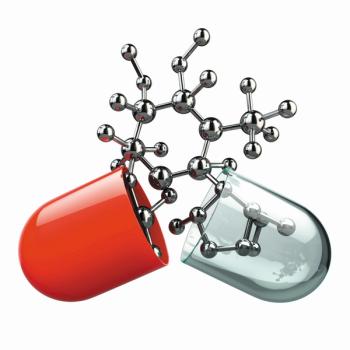
A recent phase 2b trial of GH001 showed promising results for treatment-resistant depression, demonstrating rapid and sustained effects with a favorable safety profile.

Although iclepertin was found to be well tolerated, the agent did not meet endpoints.

Psychiatric Times: Supporting clinicians, promoting conversations, and improving patient care over the past 40 years.

Extreme risk protection orders may be an effective suicide prevention tool.
How can Ibogaine help patients with Alcohol Use Disorder, specifically in veterans?
What effects do lifestyle factors have on brain aging and neuropsychiatic symptoms?

Data presented at ACNP meeting demonstrated safety, tolerability, and efficacy for SPN-820 for MDD.

A poster at the ACNP Annual Meeting utilized a novel risk-informed case-control design to improve biomarker differentiation for ADHD.

Machine learning may help science better understand cognitive impairment in schizophrenia and improve prevention and patient care.

Thomas R. Kosten, MD, shares thoughts on the latest schizophrenia genetic model research presented at the meeting.
New research links reduced synaptic density,early psychosis, and cannabis use, offering insights into negative symptoms and potential interventions.

Stephanie Gorka, PhD, shared findings at the ACNP Annual Meeting on orexin receptor agonists addressing AUDs.

In highlighting recent advances and fostering collaboration and networking, the ACNP Annual Meeting helps usher in 2025 with hope and positivity.

Thomas R. Kosten, MD, shares insights on the ACNP meeting along with his excitement for potential new treatments.

NIH directors discuss initiatives, advances, and more at the annual meeting.

Previewing the 63rd ACNP Annual Meeting, which is set to highlight the latest research in psychiatry.

It's time to better support clinicians prescribing clozapine, Peter J. Weiden, MD, shared in an interview.
What does the clozapine REMS recommendations from the FDA Advisory Committees mean for clinical care?

Gordon Lavigne, MEd, CEO of the Schizophrenia & Psychosis Action Alliance, talk about the joint FDA committee's vote on clozapine REMS.

Calling it a barrier to care, FDA committees decide to end clozapine REMS.
Although safety and tolerability was positive, ALTO-100 failed to reach primary endpoint in MDD study.