

Too often, the medical issues associated with traumatic brain injury are mistakenly diagnosed as psychiatric disorders. A few simple questions and tests can elucidate the real culprit and lead to appropriate treatment.

Ms Duerr is the editorial director of Psychiatric Times.
Too often, the medical issues associated with traumatic brain injury are mistakenly diagnosed as psychiatric disorders. A few simple questions and tests can elucidate the real culprit and lead to appropriate treatment.

Over the last year, we have compiled numerous videos about all aspects of psychiatry, medicine, and society. Check out a sampling here.

The Racism & Psychiatry collection highlights the ways communities of color have been uniquely impacted by climate disruption and what psychiatrists can do about it.

Key leaders experienced in real-world clinical practice share on a range of topics.

What issues do you anticipate your patients will struggle with during the upcoming holidays?

New and improved treatment options are surfacing, thanks to an improved understanding of psychoneuroendocrinology.
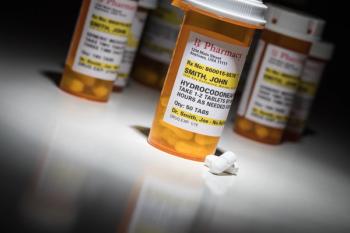
While there are risks for prescribing benzodiazepines and opioids concurrently, experts agree there are times when it may be an appropriate treatment decision.

“The best indicator of the future is looking at the past,” Sidney Zisook, MD, told attendees of the Annual Psychiatric Times® World CME Conference™. Dr Zisook spoke to the future of psychiatry in the Educator of the Year Lecture.

Do you live by the old adage not to discuss religion or politics? Or, do you welcome controversy and let the chips fall where they may?

With the National Conventions upon us, election coverage has started to increase in the news. Are you noticing more election anxiety in family, friends, and your community?

What can be done about racism? We're so glad you asked.

As cultural issues collide with science, what concerns do you have for the health of your patients?

Is anxiety related to the election a true phenomenon?

According to some estimates, nearly 2.3 million people in the US suffer from dementia-related psychosis. The Gerontological Society of America’s diagnostic and treatment considerations help shed light on this complicated condition.

Suicide risk screening is especially challenging. Although data are not yet available to ascertain how COVID-19 will affect the suicide rate, the 3-tiered clinical pathway has been revised to accommodate mostly telehealth screening.

How can telepsychiatry improve quality and access to care as well as reduce physician burnout? Telepsychiatry pioneers joined Chris Aiken, MD to discuss tips and tricks in making it work for you.

How can telepsychiatry improve quality and access to care as well as reduce physician burnout? Telepsychiatry pioneers

New hope for depression on the horizon and other updates.

Take our brief survey and become a member of the Psychiatric Times Reader Reactor Panel.
The US Food and Drug Administration is working diligently to provide the public with information to keep consumers well and safe. From hand sanitizers to testing to food safety, this slideshow presents the latest developments.

How will the coronavirus pandemic impact psychiatry as a field? Are there any neuropsychiatric symptoms associated with the COVID-19 virus? Those questions answered in this video.

What do we tell patients regarding the pandemic both in terms of office policies and preparations for self-isolation and quarantine as well as dealing with uncertainty?

Psychiatric Times has collected information to answer your most pressing questions, including how to prepare your office and staff, resources for patients, and information you need to implement telepsychiatry.

As we navigate uncharted waters on the pandemic front, John J. Miller, MD, shares his thought about this important topic and what he is doing differently both professionally and personally.

Psychiatric Times wants to know how the pandemic is impacting your practice and your lives.

What can psychiatrists in the US do to better prepare themselves and their patients for potential natural disasters? A research psychiatrist answers that question and more in this Psychiatric Times exclusive.

After receiving complaints, the FDA’s Office of Prescription Drug Promotion rebukes the pharmaceutical company for misleading advertising.

The FDA accepts a New Drug Application for novel antidepressant.

Drug companies are investing more to study psychiatric disorders, and there may be novel treatments in the near future.
With the emergence of new therapeutic strategies and as the field of psychiatry continues to progress, it is important to keep up with the explosion of available treatments, starting with our upcoming 3-day CME meeting.