

Explore how OCD and schizophrenia overlap, complicating diagnosis and care, and learn spectrum-based strategies and treatment pitfalls for managing schizo-obsessive symptoms.
Explore how OCD and schizophrenia overlap, complicating diagnosis and care, and learn spectrum-based strategies and treatment pitfalls for managing schizo-obsessive symptoms.

How estrogen dips during menstruation, pregnancy, postpartum, and menopause can trigger schizophrenia relapse, and what it means for antipsychotic dosing.

Psychiatric Times honors those who served with reflections from a World War I diary and new studies on veteran PTSD and suicide risk.

Cingulate shares plans to resubmit its ADHD candidate CTx-1301 to the FDA, following a CRL tied to CMC information requests

The American Society of Addiction Medicine has released the first clinical guide and national resource for managing the intoxication and withdrawal of medetomidine.

Digital memory tests flag subtle preclinical Alzheimer changes, especially with neocortical tau; scalable tools may boost future trial screening.

How ED physicians and psychiatrists team up to cut mental health boarding, reduce unnecessary tests, and deliver faster, safer ED crisis care.

In the second positive phase 3 trial of lumateperone (Caplyta) for bipolar mania, participants saw improved manic symptoms vs placebo as early as day 3.

Lipocine has dosed the first participant in BLOOM, their phase 3 study evaluating LPCN 1154 (oral brexanolone) for postpartum depression.

Reach Out and Read serves 4.8 million children, but 23% of parents at 3 centers reported clinician modeling, tied to the greatest home literacy gains.

New data shows cannabis dominates teens’ substance-related ER visits, often with alcohol or stimulants, urging better screening and intervention for psychosis, vomiting.

How can you address envy in your creative patients?

"A tearful handshake, Steps shuffle out the doorway, My career closes..."

Compass Pathways has completed its submission of an NDA to the FDA for COMP360 psilocybin for treatment-resistant depression.

Why D2 blockade alone falls short in schizophrenia, and what neurotransmitter, genetic and neuroimaging research means for treatment-resistant patients.

Discover expanded psychiatry coverage with new podcasts, interactive digital issues, and event reporting—we are your always-on media hub delivering fresh insights year-round.

GLP-1 drugs enter psychiatry, curbing antipsychotic weight gain while raising new questions about addiction, mood, eating disorders, and culture.

Explore the urgent legal, ethical, and clinical challenges in emergency psychiatry, share cases and tips, and contribute to Psychiatric Times’ November series.

A Delphi panel recommends screening for eating disorders before GLP-1 receptor agonist initiation.

Alkermes launches a phase 2 trial of oral orexin-2 agonist ALKS 7290 to boost antidepressant response in major depressive disorder, assessing safety and symptom relief.

BCG vaccination curbs tau tangles in mice by boosting microglial cleanup, fueling hopes for human trials to reduce dementia risk.

GLP-1 weight-loss drugs may worsen eating disorders or mask symptoms; experts urge careful screening, specialist referral, and monitoring before, during, and after use.

Sabirnetug phase 2 Alzheimer trial misses cognitive endpoint despite lowering amyloid, prompting Acumen to halt development and open-label extension plans.

Check out our pipeline updates from October!

Psychedelic trials often exclude real-world comorbidities; clinicians must weigh blinding limits, dosing durability, support needs, safety risks, and uneven system readiness.

HHS updates its national dementia plan, prioritizing risk reduction, early detection, biomarkers, and faster diagnostics and treatments through new FDA, CMS, and ARPA-H initiatives.

Neflamapimod misses its main DLB endpoint, but biomarker and subgroup signals suggest IL-1β pathway impact and may justify a phase 3 trial.
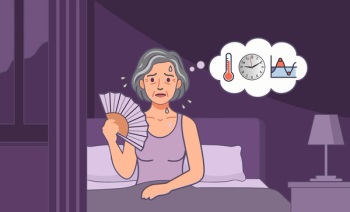
A systematic review and meta-analysis compares pharmacological agents with nonpharmacologic approaches to identify the most effective interventions for insomnia in peri- and postmenopausal women.

National survey shows most US adults don’t know AUD medications exist, and safety concerns plus racial disparities shape hesitation toward treatment.

GLP-1 drugs may quiet cravings by reshaping brain reward and satiety signals, reducing food-seeking drive and binge-like eating, while long-term effects remain unclear.