




Psychopharmacology
Latest News

Advertisement
Latest Videos

Shorts
1:22
Benzodiazepines vs SSRIs for Anxiety
11 hours ago
by
Joseph F. Goldberg, MD(+1 more)
1:19
Appropriate Benzodiazepine Prescribing
3 days ago
by
Joseph F. Goldberg, MD(+1 more)
0:32
Can Psychiatric Medications Worsen Stuttering?
7 days ago
by
Gerald A. Maguire, MD
1:30
Remission Rates in the First 2 Weeks of Treatment
18 days ago
by
Lara Shirikjian, MD
0:55
The Explosion of Alzheimer's Drug Research
21 days ago
by
Oleg Tcheremissine, MD
1:25
Switching ADHD Medications Effectively
21 days ago
by
Raman Baweja, MD
1:26
Targeting Sleep Quality in Depression
22 days ago
by
Gregory Sullivan, MD
0:30
Why ADHD Meds Don't Always Help Mood Swings
22 days ago
by
Lenard A. Adler, MD
0:31
Why We Need Expanded Access
23 days ago
by
Oleg Tcheremissine, MD
1:37
Seltorexant vs Quetiapine Adjunct for MDD
23 days ago
by
Jane Tiller, MD
Podcasts









CME Content





Advertisement
More News

DT120 (lysergide) hits all endpoints in phase 3 GAD trial, cutting anxiety scores with a single dose.
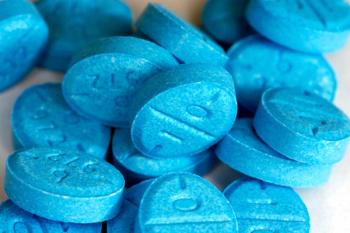
New data show once-daily CTx-1301 delivers 3 timed dexmethylphenidate releases for faster onset, steadier late-day ADHD coverage, tolerability.

Review the latest developments in narcolepsy treatment.

Review the latest in psychiatry from the last week.

FDA approves Takeda’s Orzeyful, first orexin agonist, improving wakefulness and reducing cataplexy in adults with narcolepsy type 1 in pivotal trials.

New case suggests muscarinic therapy xanomeline/trospium calms treatment‑resistant bipolar I mania with psychosis, hinting at nondopamine options.

Learn how clinicians reframe side effects, curb nocebo, and boost outcomes using expectation, open-label placebos, and conditioning in psychiatry.

New Alzheimer trial news highlights safer anti-amyloid PMN310, cannabinoids easing agitation, tau gene therapy progress, FDA Fast Track psychosis drug, and TBI inflammation targets.
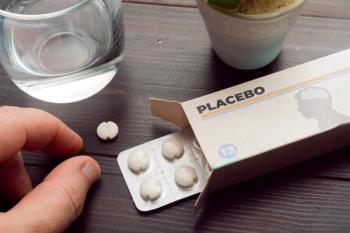
Experts discuss the impact of the placebo effect on psychiatric treatment outcomes.

FDA clears first triple reuptake ADHD drug Simtriyo, offering nonstimulant relief for adults and kids 6+ with executive and emotional symptoms.

From long-acting antipsychotics to psilocybin and new ADHD meds, clinicians weigh emerging therapies reshaping depression and postpartum care.

How can new Alzheimer therapies benefit patients today?

A first-in-vivo PET study finds M1 receptor availability reduced 13% to 19% across brain regions in schizophrenia, strengthening the case for muscarinic-targeted treatment.
New data show post‑TBI inflammation boosts amyloid; blocking soluble TNF with XPro1595 preserves memory and reduces pain, hinting prevention.

PMN310 shows strong 6‑month safety in early Alzheimer disease, with zero ARIA‑E and encouraging tau biomarker shifts before 2027 data.

Northwestern researchers identify a reduced CSF protein signal in schizophrenia and show a synthetic version restores brain circuit activity in mice.

After TBI, soluble TNF sparks Alzheimer-like damage; XPro1595 blocks it in mice, preserving memory and reducing pain—hinting prevention.

FDA clears Simtriyo, a first-in-class NDSRI and central nervous system stimulant for ADHD, offering new symptom and executive-function gains.

Review centanafadine ahead of the upcoming FDA decision on July 24.

Experts unpack placebo and nocebo effects in psychiatry, revealing how expectation, framing, and alliance boost outcomes and curb side effects.

Three new Teva posters show Austedo sustains tardive dyskinesia improvement long term, works in real-world care, and education boosts diagnosis and visits.

Meta-analysis ranks add-on atypical antipsychotics for MDD, comparing symptom response and dropout risks to guide smarter next-step treatment.

New review links lithium and Alzheimer disease treatment, fueling calls for biomarker-guided, low-dose clinical trials testing lithium’s multi-target disease-modifying potential.

COMP360 psilocybin shows rapid, durable gains in treatment‑resistant depression, as psychedelics continue to grow.

Explore how dopamine D2 blockade shapes antipsychotic benefits and risks, revealing dosing pitfalls, polypharmacy harms, and why plasma level monitoring improves outcomes.
Advertisement
Advertisement
Trending on Psychiatric Times
1
FDA Feedback Paves Way for New IND Filing for PT00114 in Generalized Anxiety Disorder
2
A Practical Role for Long-Acting Buprenorphine in Opioid Use Disorder Care
3
Psyched Perspectives: ADHD in Underrecognized Populations, With Paige Walton, MD
4
Neuropsychiatry in the News: Wearable Technology for Parkinson Disease, Ecopipam for Tourette Syndrome
5