
The authors focus on the epidemiology of postpartum psychosis, its clinical presentation, etiology, treatment, and strategies to prevent its recurrence.
The authors focus on the epidemiology of postpartum psychosis, its clinical presentation, etiology, treatment, and strategies to prevent its recurrence.
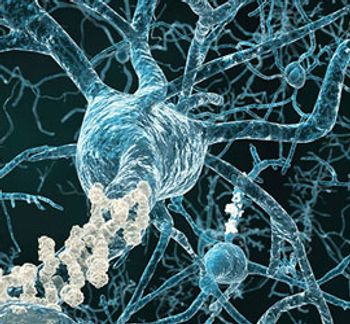
Alzheimer disease psychosis appears to be a distinct clinical entity. This article focuses on management strategies.
In the first of a two-part Special Report, the evaluation and management of psychosis is explored across a range of disorders and clinical contexts.
The first generation of cognitive-behavioral therapy for psychosis, when added to standard care, has demonstrated efficacy in treating patients with delusions and hallucinations. Details in this article.
Information from studies on adolescents with psychosis and a review of the evidence about the risk of suicide and suicidal behavior in this patient population.
Various populations of patients can benefit from telepsychiatry. The goal is not to replace local mental health resources but to enhance existing capabilities. This article articulates successful interventions as well as topics to consider when developing a telepsychiatry service.
Articles on stigma, telepsychiatry, and designer drugs . . . matters germane, timely, and needed-that is what is here for you, our readers. Enjoy and learn.
At a moment when mental health is so much at the forefront of the minds of Americans and our media, it seems time, again, to try to understand the damaging views so commonly held about people with mental illness.
Psychiatrists are urged to familiarize themselves with these new drugs and the typical presentations of patients who use them since implications of misdiagnosis can be far-reaching.
There are a number of well-established niches in psychiatry, from forensics to addictions to LGBT. This author relates how she established her niche as a sports psychiatrist.
There have been considerable advances in the research on and clinical use of neurostimulation for psychiatric disorders, especially mood disorders and MDD. Three of the most recognized are reviewed here. An experimental new treatment-- trigeminal nerve stimulation-- is also briefly discussed.
Clearly, old age is associated with unavoidable decline but in some instances can be mitigated by mental and physical exercise and social activity. How is the preservation of function despite illness and decline accomplished? Insights here. . .
Psychiatric Times asked this psychiatrist to compile and edit a series worthy of its readers’ attention. We hope you find that this special section has achieved the literary and professional standards we set.
Half of all mental health disorders occur by age 14. Early interventions may mitigate progression to more serious and persistent mental health concerns.
Older Latinos with depression report higher levels of impairment and are more persistently ill than non-Hispanic white older adults, yet they have lower rates of guideline-concordant treatment. Cognitive and problem-solving psychosocial modalities are emerging as key treatment considerations for older Latinos.
A risk to benefit ratio of treatment must be established to determine the optimal treatment for perimenopausal depression. Untreated depression during the perimenopause exacerbates heart disease, diabetes, and osteoporosis. Details about management options here.
Is depression a systemic disorder of oneself and the brain’s intrinsic activity?
For many patients with depression, full symptom remission remains elusive despite multiple trials of antidepressants. This article focuses on psychopharmacological and related interventions.
The diagnosis and management of unipolar depression remain challenging. The articles in this Special Report remind us of the wide knowledge base that is needed in the management of the depressed patient and of the multiple conceptual levels that must be integrated in the care of our patients.
Despite the need for mental health support, undocumented immigrants underutilize mental health services. Many endure traumatic experiences while emigrating that put them at psychological risk and once in the US, undocumented immigrants face multiple psychosocial stressors.
Many patients with serious mental illness become entangled with the justice system. Extending our notions of interdisciplinary teams to include parole and probation officers provides us with options and opportunities not typically available otherwise in support of our patients.
Psychiatric disorders in persons with intellectual disabilities are typically more severe and more difficult to diagnose than in the general population. Clearly, those who diagnose ID and treat patients with this condition face a number of challenges.
Despite its many challenges, rural psychiatry can be particularly rewarding because it allows an opportunity to provide much-needed care and the ability to be at the forefront of helping to close gaps in health care disparities.The privilege of being a true community resource and the ability to improve overall community mental health give meaningful purpose to the work of a rural psychiatrist.
Even as psychiatry advances and develops new clinical techniques and as behavioral health systems seek the means to be able to serve all people needing care, disparities in service persist. The articles in this Special Report examine the demographically hard-to-reach populations-the socially marginalized who require special outreach techniques.
Obesity is one of the most common physical health problems in individuals with psychiatric conditions and contributes to excess medical morbidity and mortality. Several classes of psychotropic medications, particularly atypical antipsychotics, cause weight gain. While these issues pose challenges to optimal health, the good news is that there are solutions and emerging strategies.

Hypothyroidism is a common clinical disorder that psychiatrists frequently encounter. However, symptoms of thyroid dysfunction are often vague and nonspecific, which can lead to delayed or missed diagnosis.
This article highlights evidence-based treatment with herbs and nutrients with good tolerability and potential benefit when integrated into psychiatric practices.
This article reviews some of the most recent findings in genetics and pharmacogenetics of schizophrenia-especially those with clinical implications.
Genetics seems to be a subject of particular interest for everyone. This article explores how the current state of knowledge regarding genetics might be used to help psychiatrists diagnose psychiatric disorders or predict their onset.
The major challenges for epigenetic therapies are target specificity of the drugs-an issue that is also true for most of the currently used drugs in medicine, especially in psychiatry.