

The authors discuss the assessment and treatment of pediatric ADHD within the framework of the cultural psychotherapeutic model.
The authors discuss the assessment and treatment of pediatric ADHD within the framework of the cultural psychotherapeutic model.

Because there is a higher prevalence of mental health disorders in LGBTs than in heterosexuals, psychiatrists should be broadly familiar with the process of sexual/gender exploration, psychological self-recognition, disclosure to others, and community identification.

Patients with psychiatric disorders, particularly schizophrenia, anorexia nervosa, and substance use disorders, have reduced life expectancies compared with the general population. This and other facts emphasize the need for the latest clinical information, highlighted in this countdown.

This slideshow features information on a recent Special Report covering opioid use, gambling, street and club drugs, marijuana, video games, and more.

Special Reports have long been a mainstay feature of the monthly Psychiatric Times issues, but this two-part report on cultural competence and diversity is unique in both style and content.

This evidence-based tool is composed of a series of questionnaires that assist clinicians in making person-centered cultural assessments to inform diagnosis and treatment planning.

The authors share a model for psychiatrists interested in collaborating with traditional healing and medicine.

Improving religious competence among clinicians is vital if everyday psychiatric care is to become truly person-centered.

This Special Report focuses on the psychiatric and medical interface of some common medical problems.

Depression and diabetes can prey on the shortcomings of our health care system, such as fragmented, episodic care and poor continuity. Coordinating care can be fraught with difficulties, but it is the goal of many current efforts in health care reform.

The prevalence of chronic hepatitis C virus infection is among the highest in patients with severe underlying mental illness. Here: clinical information on the interface of HCV infection and psychiatric disorders.
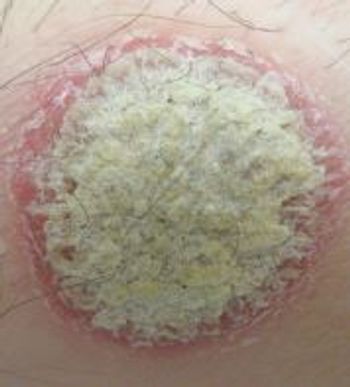
Psoriasis, a chronic inflammatory, autoimmune skin disorder, is associated with both genetic and environmental factors. It has important treatment implications for patients who have psychiatric disorders.

The articles in this Special Report provide a broad, cross-cutting perspective on the current state of addiction psychiatry, insofar as it may pertain to your own clinical practice.

While opioid dependence is among the most severe and lethal of addictions, it also has the most effective medication treatments. The authors provide 2 case vignettes and a step-by-step process for clinical decision making.
The loss of control over urges and behaviors may be the central component of gambling disorders, but there is so much more to consider. Individuals with these problems have exponentially higher rates of suicide attempts and completions.

A review of the pharmacological and symptomatic effects of various classes of designer drugs, including stimulants, hallucinogens, and sedatives.

Current trends are toward relaxing laws on cannabis, but no one knows the likely outcome. Will legalization mean an increase in consumption? Psychiatrists will be on the front lines if and when problems arise.

A discussion of treatment options to help foster the most effective psychosocial treatment for addiction.

Many people like to spend at least part of their free time playing video games. However, for some, what starts as innocent recreation becomes an addiction and, at times, tragedy ensues.

Dr Thompson introduces a Special Report meant to provoke thoughtful contemplation on various topics related to aggressive behavior.

What role might electroconvulsive therapy play for short-term treatment of agitation and aggression in patients with dementia?

This review critically addresses 4 central assumptions that underlie many US political and popular associations between gun violence and mental illness.

The key focus is on understanding violent offending (eg, reactive, proactive, firearm violence) tied to antisocial personality disorder and psychopathy using a psychobiological lens.
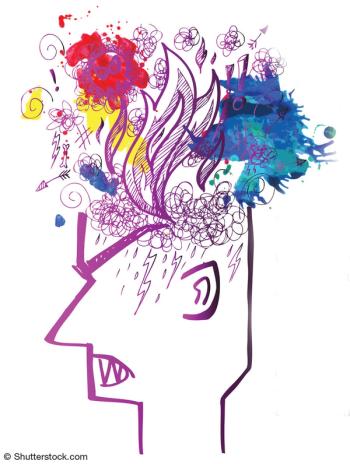
Here: a close up look at impulsive aggression.
Neuropsychiatry is thriving, and the articles in this Special Report demonstrate its breadth and depth while providing the opportunity to characterize and delimit its scope.

A considerable overlap exists between TBI and disorders in cognition, behavior, and personality, which can provide even greater clinical challenges. More than 70% of the cases of TBI are mild, which makes this subgroup of particular clinical interest.
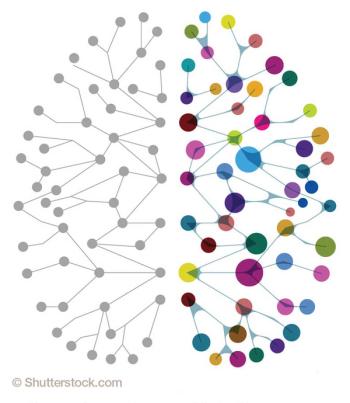
The authors take an in-depth look at the evaluation, diagnosis, and fundamental treatment recommendations, protocols, and guides to therapy for psychogenic nonepileptic seizures.

The potential of TMS as a treatment for cognitive disorders, fatigue, pain, and other manifestations of brain disease is discussed, as is the encouraging prospect for neuropsychiatric management of many patients.
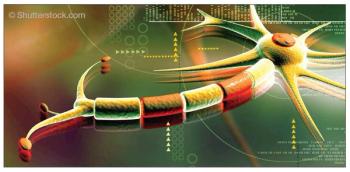
Selected for clinical implications, here are some highlights from the recent acceleration in understanding of the mechanisms of bipolar disorder.

Treatment approaches to GAD, a highly prevalent, chronic, debilitating, relapsing, and often underdiagnosed anxiety disorder.