
Seaport begins phase 2a trial of GlyphAgo for generalized anxiety disorder with sleep disturbance, testing liver-sparing agomelatine dosing and tracking sleep, anxiety outcomes.
Athletes navigate stress as a performance factor, learning to harness it for optimal results through effective management strategies and support systems.
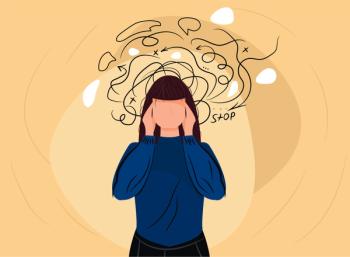
Stress is a consistent factor in the world of competitive sports. In sports psychology, stress is seen as a type of arousal that could stem from the expectations, pressure, and demands athletes face in competition.1 Stress often gets a bad reputation, but it is not always negative. Stress has the potential to help athletes perform at their best. The key to unlocking optimal performance and well-being lies in understanding stress, categorizing it, and learning how to harness it.
What Is Stress?
At its core, stress is simply the body’s response to any demand placed upon it. Stress can be pleasant (eustress), the kind that motivates and energizes, or unpleasant (distress), the kind that overwhelms and hinders performance.2 Stressors, the factors that cause stress, can be either external, such as competition conditions, travel, or crowd noise; or internal, such as self-doubt, fear of failure, or perfectionism.1
Why Stress Matters for Athletes
Stress shapes the mental experience of athletes, influencing the reception and response to pressure, setbacks, and expectations. But it is not only a mental experience; it is also biological and social. Biologically, stress activates the body's fight or flight response that signals hormones, such as adrenaline and cortisol, to prepare the body to react. Socially, stress impacts interactions with teammates and coaches.2 Training demands, competition schedules, and performance scrutiny all contribute to the weight and experience of stress.3 When left unchecked, stress impairs cognitive functioning and decision-making, increasing the risk of injury, burnout, or overtraining.4
Tools to Manage Stress
Optimal performance starts with stress management strategies such as focus cues and self-talk, breathing and relaxation, and sleep and social support, all of which reduce the negative effects of stress.1 Self-talk and focus cues help guide an athlete's attention back to the present moment and block out distractions.5 Similarly, breathing techniques and muscle relaxation exercises help calm the body’s physiological response to stress, lowering heart rate and promoting focus.6
Research shows that getting high-quality rest supports emotional regulation, muscle repair, and cognitive sharpness.7 Leaning on teammates, coaches, or mental health professionals can help athletes share their experiences, normalize emotions, and build resilience.8
Further Resources
Check out
For practical ways to monitor your stress and boost recovery, check out
Concluding Thoughts
Stress is a natural part of every athlete's journey. When managed well with practical strategies it can become fuel for optimal performance, rather than a barrier. You can visit
Ms Collins is a licensed professional counselor associate under the supervision of Dr John Spoede, LPC-S and a former collegiate athlete specializing in sports counseling. Her approach blends human-centered care with evidence-based therapeutic modalities, supporting athlete mental health and creating space for the human behind the uniform.
Ms Tobias holds an MS in psychosocial kinesiology from Oregon State University, where she focused her research on access to sport for women and girls. She currently serves on the development team at Coach Across America, supporting the mission to provide every child with a dedicated coach-mentor.
Dr Mirhom is past president of the New York County Psychiatric Society, an assistant professor of Psychiatry at Columbia University, a Forbes contributor, and Chief Wellbeing Officer at Athletes for Hope.
References
1. Bhadauriya B, Tripathi R.
2. What is stress? The American Institute of Stress. Accessed December 1, 2025.
3. Strength isn’t just physical: exploring athletes’ mental health. McLean Hospital. October 17, 2025. Accessed December 1, 2025.
4. Vomer R. Breaking the chains: understanding the impact of stress on physical activity and athletic performance. Avance Care. April 8, 2024. Accessed December 1, 2025.
5. De Witte M. ‘Deep breath, see the ball, trust’: how pro athletes handle stress. Stanford Report. July 15, 2024. Accessed December 1, 2025.
6. Moffett AC. Stress management tips for good health.Association for Applied Sports Psychology. Accessed December 1, 2025.
7. Vitale JA, Mathieu N, Sabrina S, Michele L.
8. Simons EE, Bird MD.