




Poetry
Latest News

Advertisement
Latest Videos







CME Content






Advertisement
More News

A faceless full moon glowing through a cloud, contorted like the tree . . .

"O Southland, sorrow home, melody beating in my bone and blood!"

One doctor reflects on how America continues to capitalize on racial unrest.
COVID-19 dominated 2020, but in 2021, the vaccine offers hope.

Let poetry transport you on a vacation, since COVID-19 prevented summer travel.

Blade tips catch and knees kiss ice, my eyes searching for the one skater in every crowd who glides graceful as a god,

This poem contemplates the National Anthem... is it a good song?
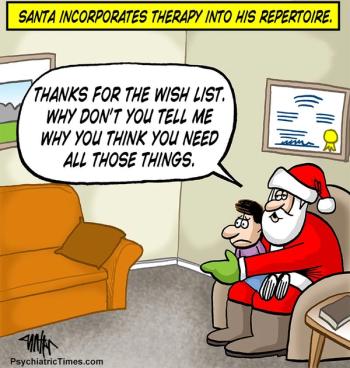
A therapeutic approach to the holiday wish list.

Poet Billy Collins writes the names of friends lost to COVID-19 on the back of his grocery list.

A mother begs the court to keep her son incarcerated for fear street gangs will eat him alive.
Facts and myths about depression during the holidays.

How do you enter the patient's space, and are you cognizant of the energy you bring with you?

Scary or sweet? Read about the value of nonverbal communication and have some spooky fun.

He was happy in a Gettysburg field, before he turned 13. That was the year his father’s body launched its own Civil War.

Patients rely on the companionship and kindness of nurses now more than ever, and these poem selections reflect that.

Maya Angelou’s words remind us to care for and support one another.

Dr Berlin recites sentiments close to his heart.
Is a doctor a healer, a confidante, a priest or rabbi, a turner of textbook pages, or a combination of all?

Deep breaths . . . sing out loud.

The words are no less fitting now than when this piece was written at the height of the AIDS epidemic.
Wake up, arise from the fog, and face a new post-op day.

When all else fails, fly.
The musical prodigy is believed to have had a hyperthymic temperament, but he was also vulnerable to sweeping bouts of depression and guilt. Psychiatrist and virtuoso Richard Kogan, MD, puts music to storytelling, to explain the phenomenon of genius.

We come for freedom and the chance to live the American dream.

Let spring training not be a mere memory.
Advertisement
Advertisement
Trending on Psychiatric Times
1
The Psych Consult: TSH Testing in New-Onset Depression. An Endocrinologist’s Guidance for Psychiatrists
2
ADHD Medications for Managing Menopausal Brain Fog: Improvements in Subjective Executive Function
3
New Phase 2 Data on Bezisterim for the Treatment of Long COVID
4
What Do Patient-Level Studies Tell Us About Antidepressants and Suicide Risk?
5