





Forensic Psychiatry
Latest News

Advertisement
Latest Videos

Podcasts






CME Content





Advertisement
More News

Resort thrillers glamorize hotel killings, but data reveals a quieter risk: planned suicides by local guests—and warning signs clinicians can spot.
Here's what clinicians must do when patients admit viewing CSEM: more on state reporting rules, confidentiality limits, and why California is different.
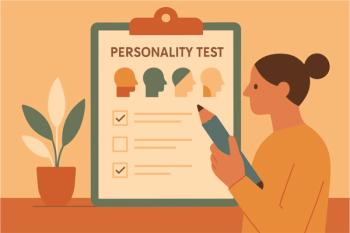
Strategies for Improved Collaborative Management of Personality Disorders in Correctional Facilities
Explore the complexities of personality disorders in correctional settings and discover effective treatment strategies for better mental health outcomes.

Join the NCCHC 2025 Virtual Winter Conference for essential insights on correctional health care, featuring expert-led sessions and continuing education credits.
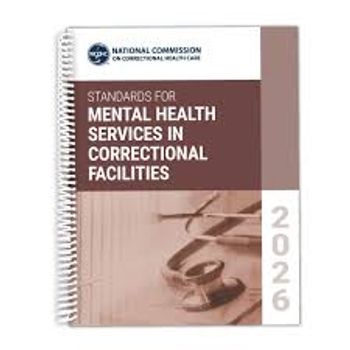
The 2026 NCCHC Standards revolutionize mental health care in correctional facilities, emphasizing ethical practices, interdisciplinary collaboration, and patient dignity.

Female offenders in the criminal justice system are more likely to have experienced trauma and are more likely to be diagnosed with conditions such as PTSD and depression compared with male offenders.

Psychiatry has a lot to learn from the case of Gabby Petito.

Understanding the complex relationship between substance use and mental health is critical to providing thorough and well-informed evaluations. Let's take a look at the relationship between cannabis and criminal responsibility.

There is no accurate profile of who will become a school shooter, so mental health clinicians should react as they would with any patient threatening violence: inquire, gain collateral data, assess, and respond.

A recent longitudinal, retrospective study aimed to examine antipsychotic prescribing and rehospitalization rates in a forensic psychiatric sample.

Researchers investigated the link between psychosis, criminal sanctions, and mortality rates following discharge from a hospital for acute psychosis.

Extreme risk protection orders may be an effective suicide prevention tool.

In some cases of child murder by the mother, psychiatrists may have a critical role in prevention. Learn more here.
Learn more about malingering in this forensic psychiatry overview.

Understanding and Evaluating Conspiracy Theories: A Primer for the General and Forensic Psychiatrist
Conspiracy theories can lead individuals to engage in criminal and violent behaviors. It is necessary for psychiatrists treating or forensically evaluating individuals with conspiracy theories to be able to correctly identify different forms of belief.

The use of validated and scalable risk prediction tools can potentially improve mental health outcomes.
There are several points along this pathway for a justice involved patient to be intercepted and diverted to mental health treatment.

Learn more about topics of interest in forensic psychiatry in this month's Special Report!

Write to us now to be part of our series on forensic psychiatry!
Is PTSD overdiagnosed?
Upcoming NCCHC conferences provide networking and educational opportunities for psychiatric clinicians working in the correctional setting.

This book presents and analyzes the self-reports of psychopaths. The author shares more on why you need to read it.

Effective coordination of EHR system data between youth justice facilities and reentry programs can play a pivotal role in a youth’s successful reintegration into the community.

Suicidal individuals with depression likely have diminished capacity to provide informed consent for treatment as well as low perceived need for help.
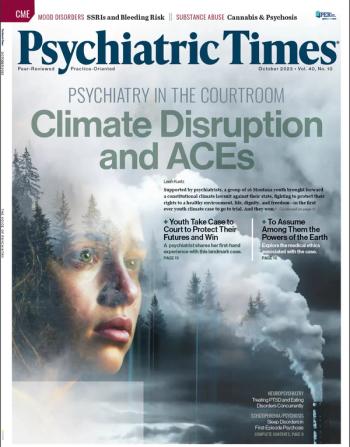
The experts weighed in on a wide variety of psychiatric issues for the October 2023 issue of Psychiatric Times.
Advertisement
Advertisement
Trending on Psychiatric Times
1
The Psych Consult: TSH Testing in New-Onset Depression. An Endocrinologist’s Guidance for Psychiatrists
2
ADHD Medications for Managing Menopausal Brain Fog: Improvements in Subjective Executive Function
3
New Phase 2 Data on Bezisterim for the Treatment of Long COVID
4
When Antidepressants Stop Working: Understanding Tachyphylaxis in Clinical Practice
5