
What psychological factors may lurk beneath endorsement of or opposition to the death penalty? This author speculates.
What psychological factors may lurk beneath endorsement of or opposition to the death penalty? This author speculates.
In psychiatry, we do not complete physical exams; much of our diagnosis is born out of our observations, interviews, and conversations. Other medical fields, particularly surgery, require manual, technical, and motor skills. In this manner, psychiatry is unique. More in this commentary.
What is the future of psychiatric assessment and treatment of mood disorders? The articles in this Special Report explore some important aspects and issues.
An update on the diagnosis, causation, and treatment of chronic depressive problems. The focus is on the recently introduced diagnostic category of persistent depressive disorder.
Here: the history of psychotic depression for the Study of the Pharmacotherapy of Psychotic Depression (STOP-PD), a summary its epidemiology, significance, diagnostic complexity, and treatment, as well as case vignettes.
This article reviews the most recent (after 2010) published guidelines on bipolar depression.
Most, if not all, antidepressants can cause bothersome adverse effects. These are described here along with strategies to help patients cope.
To some extent, humiliation is part and parcel of the human experience. Some make the case that minor experiences can be psychologically beneficial. The important challenge for mental health professionals to help patients understand and reduce humiliation.
This book is the first scholarly work that attempts to fill the enormous gap in the conventional armamentarium used to treat PTSD.
Epidemiological research has shown that the Māori people of New Zealand are approximately twice as likely to have serious psychiatric illness compared with non-Māori. Here, a child and adolescent psychiatrist describes her work in Aotearoa, New Zealand.
The limited effectiveness of current approaches provide compelling arguments for effective conventional and complementary interventions aimed at preventing PTSD and treating chronic PTSD. Specifics here.
Some doubt that even $650 million will go very far in speeding up the solution to the vast jigsaw puzzle known as neuroscience. According to this author, we have learned a great deal in basic science, but nothing at all that translates to better clinical care.
Cranial electrotherapy devices, soon to be only home-use device approved to treat depression, can be an essential adjunctive treatment to standard modalities of care for soldiers and veterans, says this psychiatrist.
Innovative approaches that advance our understanding of the mechanisms that confer risk for psychiatric illness in youths is the focus.
Is there something in young blood that holds the key to preventing or reversing cognitive decline and/or dementia associated with aging? The answer to that question is the subject of intense recent research. Details here.
Vascular surgeons, internists, and neurologists all exist-but why aren’t there any vascular psychiatrists? There certainly is a need.
Detainees in state and federal prisons have committed crimes that many of us can never forgive. But how we treat such people beyond the loss of freedom and certain rights is entirely about who we are as a society. More in this commentary.
Psychiatry must remain a profession defined by an organizing model of the mind, rather than by specific treatment techniques. Psychodynamic psychiatry offers such a model, and it is applicable to all psychiatric patients.
When I learned my first scale at 45 I knew I would never rip loose and free like the pros who started as teenagers, when time didn’t matter and practicing was just another form of play.
Regulatory bodies that oversee hospitals and graduate medical education have begun to place an ever growing importance on patient safety and quality improvement, from which psychiatry is not immune. More in this case study.
A variety of commonly used psychiatric medications increase the risk of heatstroke, leaving psychiatric patients in jails and prisons at risk.
A guide for helping patients understand heroin, its history, and how it impacts our communities.
Severe alcohol dependence and frequent relapses in this patient prompts his son to produce a durable power of attorney for health care. He demands that the physicians declare his father to lack decision-making capacity. More in this ethics case report.
Pica, a condition in which a person is compelled to eat non-food items such as dirt, paper, plaster, cigarette ashes, and other substances, is increasing in prevalence in adults. More in this patient education summary.
Amidst the anguish and heartbreak felt by the victims’ families, there are always two haunting questions: What motivates someone to kill strangers wholesale in a seemingly senseless way? And what, if anything, can we do to stop these tragedies from recurring?
New national cohort prospective study finds increased, though rare, cardiovascular risks associated with stimulant use in children and adolescents with ADHD. Is your patient at risk?
If you’ve never surfed the web for sites that critically examine psychiatry, I highly recommend it-though it’s not for the faint of heart.
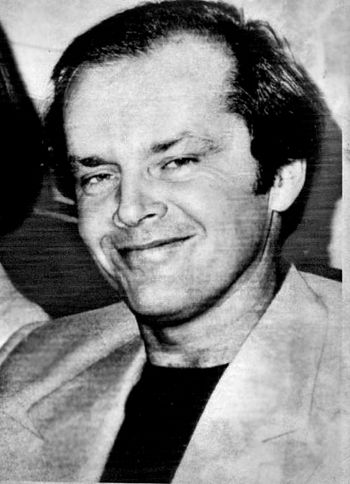
More than 50 years have passed since One Flew Over the Cuckoo’s Nest was published, and almost 40 years since the movie was released, but the issues seem as relevant today as they were back then. If you haven’t seen the film or have forgotten what you saw, see it again as soon as you can. Here's why.
When psychosocial treatments are delivered with high quality and fidelity, outcomes improve. That is the parity all of us should be fighting for. More in this commentary by NIMH Director Thomas Insel, MD.
Death penalty cases are extravagantly expensive and drain funding from programs that might actually reduce crime.