

Should we apologize to mothers for the blame psychiatry put on them?
Should we apologize to mothers for the blame psychiatry put on them?

Psychiatric Times' Editor in Chief shared some insights and data on the psychiatric impacts of COVID-19, and what we might expect in the future.
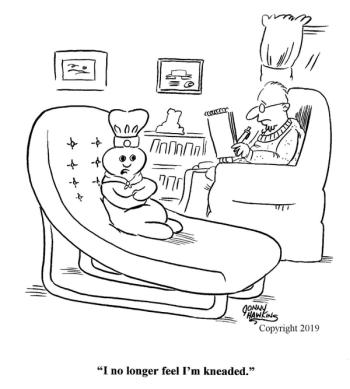
We know what you knead...

Rates of law enforcement suicide have increased over the past 5 years. How can this problem be prevented?

When we reflect on our commonalities, we get closer to working together to make the world a better place.

The US Food and Drug Administration approves first of its kind medication for migraine prevention.
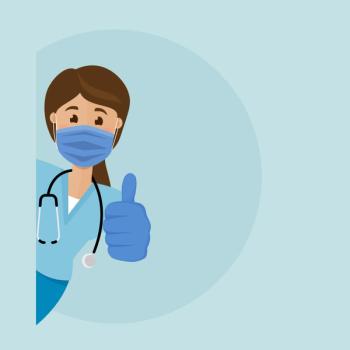
Modifications to the Clozapine Risk Evaluation and Mitigation Strategy go into effect November 15, 2021. Are you up to date?

A man tried to kill a president. Should he be released or is he still a threat?

Is the solution to health care professional burnout in our phones?

Caplyta shows promise as a monotherapy for patients with bipolar I or bipolar II disorder experiencing a major depressive episode

Each Native American tribe has a specific history, traditions, customs, and culture, and knowing something of these will help build the physician-patient relationship.

Our Afghan allies need help.

Different flowers need different levels of light, water, and shade. What would it mean to treat patients with a similar amount of care?

In order to face the rapidly changing, increasingly complex, and globally connected world, we need to focus on the importance of early brain and child development.

Is neurodivergence to be cured or is it a healthy part of our social ecology?

The Chief Medical Officer for the American Foundation for Suicide Prevention sat down to talk with Psychiatric Times about a number of important topics in suicide.

The National Mall is currently filled with over 660,000 white flags memorializing those lost to COVID-19.

Women experience depression at rates twice that of men. But Black women are only half as likely to seek care as White women. Here's what you can do to help this population.

According to German researchers, YouTube and other online platforms could induce a “mass social media-induced illness.”

Should the unvaccinated be banned from airports?

A new research study, based on over 800,000 mothers and children, tests the hypothesis.

Here’s how to catch a PTSD chameleon using DSM-5 criteria.

The pandemic changed the way individuals think and caused adjustments in our worldviews. How is that impacting our decision-making ability?

The American Medical Association is urging policymakers to act now to prevent further opioid overdose deaths.

The scariest thing this upcoming spooky season? Climate change.

A former resident's reflection on burnout, physician PTSD, and their consequences for patient care.

43 of 50 states are experiencing a severe shortage in psychiatrists specializing in child and adolescent care. Telehealth may be able to help.

Milwaukee has won a different kind of championship: raising up women’s careers.

What psychiatric illnesses are most prevalent among veterans? And how can clinicians help them overcome obstacles to care?

In older adults with bipolar disorder, what evidence is there to guide treatment?