


What can psychiatrists in the US do to better prepare themselves and their patients for potential natural disasters? A research psychiatrist answers that question and more in this Psychiatric Times exclusive.
What can psychiatrists in the US do to better prepare themselves and their patients for potential natural disasters? A research psychiatrist answers that question and more in this Psychiatric Times exclusive.
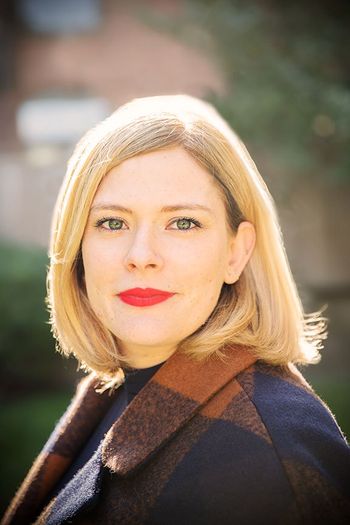
"The idea of seeing a patient, not just a diagnostic label, is an extremely valuable lesson. Being primed to see certain behaviors as pathological in certain contexts and perfectly normal in others is something that all doctors should be aware of." -Susannah Cahalan
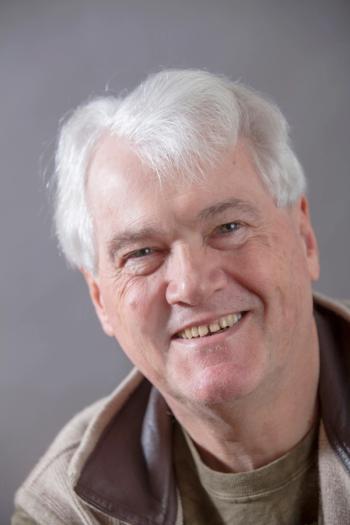
A Conversation in Critical Psychiatry with Peter J. Whitehouse, MD, PhD.

New research highlights the critical need for quality addiction treatment, especially for younger patients. The lead author provides insights about interventions and obstacles to treatment in this Q&A.

Since a disappointingly large number of people equate the critical psychiatry movement with the antipsychiatry movement, two psychiatrists shed light on why that is not the case.

"Psychiatry has been frozen in time since the 80s, and hence the absence of progress since then is no surprise." So says, S. Nassir Ghaemi, MD, MPH, in the next installment of Conversations in Critical Psychiatry with Awais Aftab, MD.

"Go out into the real world; work in prisons, in run-down towns with high unemployment or with refugees or in remote areas. Go overseas or into underprivileged parts of your own country. And that is how you learn about real psychiatry," says Niall McLaren, MBBS, FRANZCP, in the next installment of Conversations in Critical Psychiatry.

It is a rare feat for a conceptual book on psychiatry to generate as much acclaim, influence, longevity, and readership within the profession as has The Perspectives of Psychiatry. Paul R. McHugh, MD is featured in this Conversations series.

Conversations in Critical Psychiatry with Derek Bolton, PhD, recognized internationally as a disginguished voice in philosophy and psychiatry.

A series aimed at engaging prominent individuals who have made meaningful criticisms of psychiatry and have offered constructive alternative perspectives. First interview: Allen Frances, MD, Chair of the DSM-IV Task Force.

Engaging in mindfulness activities either individually or with patients who come to us for brief medication visits can have a profound influence on the therapeutic process.

For patients with treatment-resistant depression-especially geriatric patients-ECT is a viable treatment option . . . one that should no longer be relegated to the option of last resort.

Disparate means of accessing marijuana complicates the evaluation of the quality, purity, and potency of cannabis.
There is promising evidence that some complementary and alternative medicine therapies can alleviate ADHD symptoms. These may include herbals such as Bacopa and Pycnogenol, as well as supplements such as zinc.

Comorbid obesity and bipolar disorder together affect the executive functioning of patients.

Here, Mr Hazelwood answers questions about serial murderers that are commonly posed to him. The term serial murderer (or serial killer) was not even a part of the forensic lexicon until the 1970s . . .

Dr Fogelson discusses how science has refined research designs to measure the efficacy of psychotropic drugs.