






Clinicians will likely encounter increasing numbers of older adults with late-life depression. Advances in our understanding of the neurobiology can help inform diagnosis and prognosis.
Clinicians will likely encounter increasing numbers of older adults with late-life depression. Advances in our understanding of the neurobiology can help inform diagnosis and prognosis.
Of all the transferences that emerge in the consultation room, sexual feelings are by far the least talked about and the most challenging for therapists to manage. This author talks about erotic transferences here.
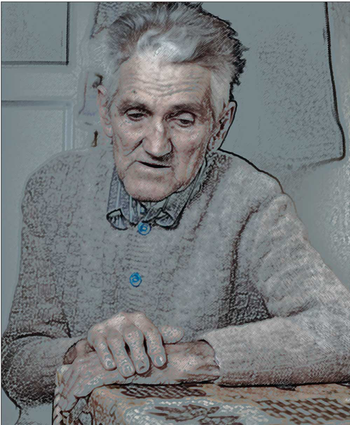
The number of persons affected by elder mistreatment and self-neglect is growing-with consequent increases in morbidity and premature mortality.
This case stresses the importance of identifying cultural issues that arise in mental health clinical encounters.
The SSRIs, although principally targeting serotonin transporter, are complex drugs that might work on other neurotransmitter and receptor systems. It is likely worthwhile to look at the effects of other monoamine and neuropeptide systems on the enzymatic machinery cleaving the amyloid precursor protein.
Is there something in young blood that holds the key to preventing or reversing cognitive decline and/or dementia associated with aging? The answer to that question is the subject of intense recent research. Details here.
Vascular surgeons, internists, and neurologists all exist-but why aren’t there any vascular psychiatrists? There certainly is a need.
Severe alcohol dependence and frequent relapses in this patient prompts his son to produce a durable power of attorney for health care. He demands that the physicians declare his father to lack decision-making capacity. More in this ethics case report.
Mood disorders in older adults are neither inevitable nor particularly resistant to treatment. With attention to the special needs of older patients during evaluation, treatment, and follow up, clinicians can help many patients derive greater enjoyment from their later years.
With regard to visual adverse effects in patients who take psychotropic medications, new is not always better or safer. More in this Brief Communication.
In the trenches of Alzheimer research, the battle continues . . . but where do we stand? Is the war on AD dementia nearing conclusion, or are we simply in the initial throes of the fight? Three experts weigh in.
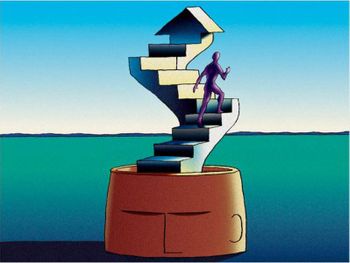
A discussion of computerized cognitive training programs with the most independent supportive research that demonstrates a previously unrecognized degree of neuroplasticity, or cognitive flexibility, in the brain.
What treatments are effective for mild chronic depression in older patients? Are there novel antidepressant medications with fewer adverse effects than current treatments? In this podcast, experts report on the latest updates in the evaluation and treatment of depression in older adults.
Alcohol misuse in older adults is often underdiagnosed in medical practice. This age group is rapidly moving into the treatment realm of the practicing general, geriatric, and addiction psychiatrist.
Recognition, management, and understanding of the broad range of sexual feelings in older adults is a key component to providing humane and competent care. More in this expert Q&A.
An expert talks briefly about interventions that can help bolster resilience and help older people recover quickly from adversity.
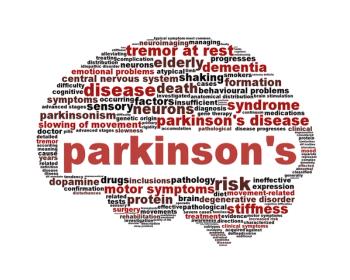
For some patients with Parkinson disease, the neuropsychiatric complications are a greater source of morbidity than the motor dysfunction. This article focuses on the management of psychosis in Parkinson disease.
How will economic development influence management of population aging so that the dignity and rights of older persons are respected and protected, particularly those who are vulnerable because of mental illness, social isolation, or physical debility? Insights here.
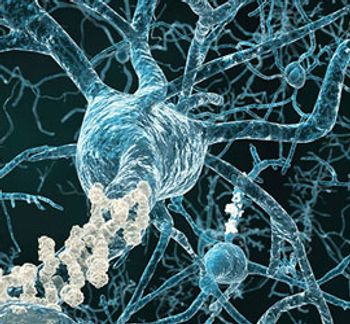
Alzheimer disease psychosis appears to be a distinct clinical entity. This article focuses on management strategies.
On the value of drawing from past experiences to establish a relationship with an elderly patient.
Clearly, old age is associated with unavoidable decline but in some instances can be mitigated by mental and physical exercise and social activity. How is the preservation of function despite illness and decline accomplished? Insights here. . .
Big things are happening in Alzheimer disease research. Recent developments are shaping the future for assessment and diagnosis and allowing for early detection and treatment of the disease.
Most persons who use CAM modalities to self-treat a mental health problem take prescription antidepressants concurrently. Combined use can result in serious supplement-drug interactions.
Older Latinos with depression report higher levels of impairment and are more persistently ill than non-Hispanic white older adults, yet they have lower rates of guideline-concordant treatment. Cognitive and problem-solving psychosocial modalities are emerging as key treatment considerations for older Latinos.
Nonpharmacological interventions-such as mind-body interventions-can improve a partial response to antidepressants via stress reduction, improved physical functioning, increased socialization, and reduced risks of polypharmacy.