









Cannabis use has prompted symptoms such as dizziness, sleepiness, and fatigue in older patients. Are there any benevolent effects?
Cannabis use has prompted symptoms such as dizziness, sleepiness, and fatigue in older patients. Are there any benevolent effects?

Misdiagnosis and late diagnosis may be preventing older patients with bipolar disorder from getting proper care.

If patients decline electroconvulsive therapy, psychiatrists still have many good options.

The International Psychogeriatric Association shares opportunities to improve worldwide geriatric care.

What socio-cultural events impacted the older LGBTQ+ generations, and how do they inform their current mental health status?
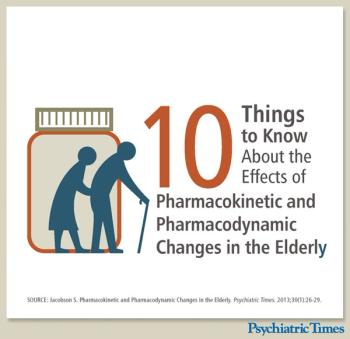
It is important to monitor and alter psychotropic medications and dosages in older patients as needed. This slideshow serves as quick reference on the effects of pharmacokinetic and pharmacodynamic changes in the elderly.

An award will go to a psychiatrist who exemplifies leadership and goes above and beyond in the areas of clinical practice, educational training and mentorship, and important research

Cognitive impairment is not always associated with dementia. For this reason, a full comprehensive history is an integral component of any assessment. Take the quiz to learn more.

When hoarding disorder is suspected, it is important to assess for other psychiatric disorders that may affect the presentation and treatment of symptoms. Find out more in this quiz.

Nearly half of the prescriptions for benzodiazepine among older adults are potentially inappropriate, so how best to do no harm?

Research zeroes in on how frailty impacts depression treatment in elderly patients.

The authors make the case for national education mandates from accreditation organizations and congressional support to require enhanced education of all clinicians who care for older adults.

Often misdiagnosed as other psychiatric disorders, FTD is the third most common type of dementia and the second most common among patients 65 years or younger. How to spot the signs.

Addiction among older adults is associated with worse medical outcomes and increased economic burden of care. The long-term use of psychoactive substances can result in adverse neurological outcomes even at therapeutic doses.

The development of specific diagnostic criteria that are applicable to older adults can aid in the accurate diagnosis of psychiatric disorders in late life.
Finding and treating the underlying cause of sleep disturbance is critical to effective management. Here are a few medical conditions that may trigger key disrupting symptoms.

How can psychiatrists help caregivers deal with behavioral disturbances at home, without the possibility of an in-person doctor’s appointment? In this video, Marc E. Agronin, MD, offers tips for helping patients with Alzheimer disease and other dementias.

Parkinson disease psychosis is associated with worsening quality of life, greater caregiver distress, higher rates of institutionalization, increased mortality, and greater health care costs. The authors explore medical, psychosocial, and psychological factors associated with PD psychosis.
BPSD is associated with worse outcomes for patients with dementia. Management is not standardized, but protocols generally involve the treatment of underlying symptoms followed by the use of nonpharmacological management techniques and evidence-based pharmacotherapy for refractory BPSD.
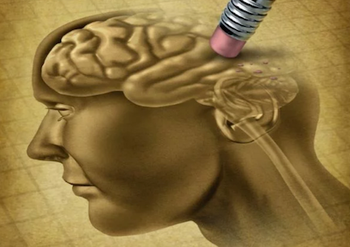
In this video, Marc E. Agronin, MD, discusses several factors that may play a role in agitation. One would be underlying medical causes. It could be an acute disease state impairing brain function. And the list goes on.
Recommendations for the use of antipsychotics for the management of behavioral and psychological symptoms of dementia.
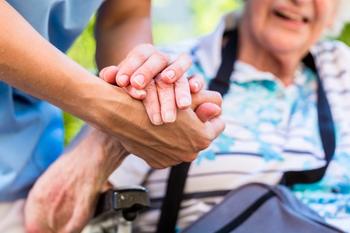
Agitation can worsen function, pose safety concerns, and increase caregiver stress. It can be both confusing and frustrating to understand and manage these behaviors, but there are several approaches that can make all the difference.
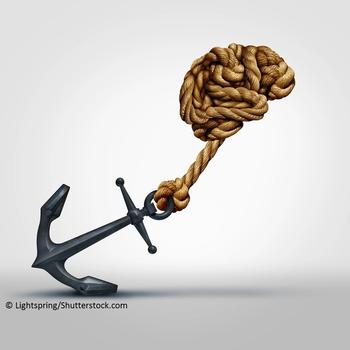
Patients with a family history of Alzheimer disease worry that normal aging symptoms are the initial indication of a progressive cognitive impairment that they have observed in their relatives. A variety of interventions are discussed.
As the aging population grows, depression in older adults is also on the rise. Read the short case and test your knowledge.
Traumatic brain injury in older adults is a rising epidemic. Test your knowledge on the issues facing your patients.