
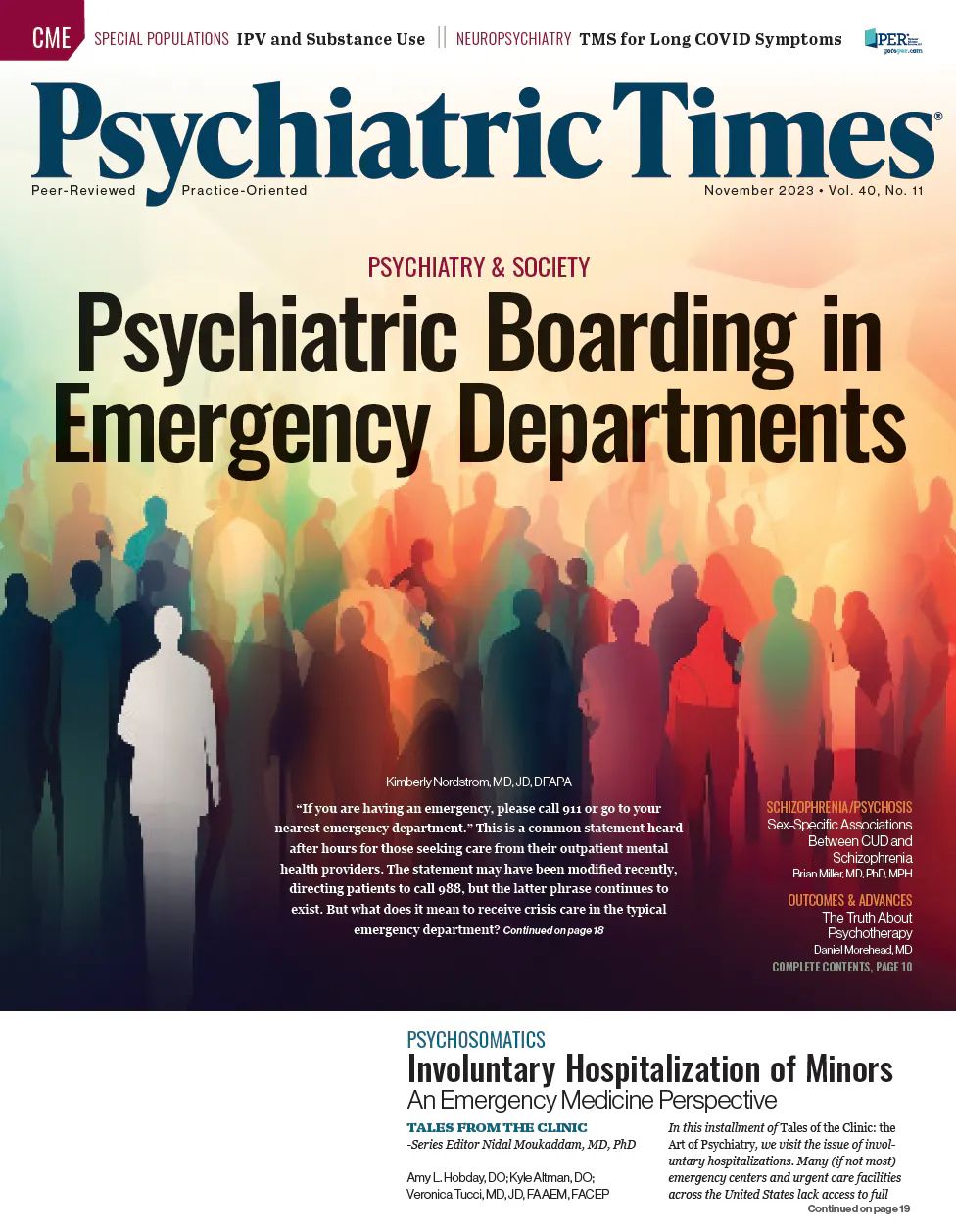










Study investigates connections between rTMS and factors including depression and cognitive performance.

Study investigates connections between rTMS and factors including depression and cognitive performance.
Catch up on the latest CMEs in Psychiatric Times.

From the “unwinding” of the Medicaid continuous enrollment condition to assessing and treating eating disorders in older adults, here are highlights from the week in Psychiatric Times.
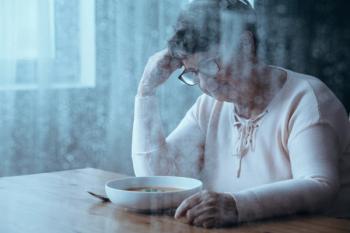
In this CME article, learn how to evaluate older adults who present with significant appetite and weight changes for the presence of an eating disorder.

From noninvasive brain stimulation treatment for acquired brain injury to an update on the prior authorization process, here are highlights from the week in Psychiatric Times.

"The Improving Seniors’ Timely Access to Care Act would make it easier for older patients to get care by modernizing the prior authorization process."
From older age bipolar disorder to the relationship between antidepressants and emotional numbing, here are highlights from the week in Psychiatric Times.
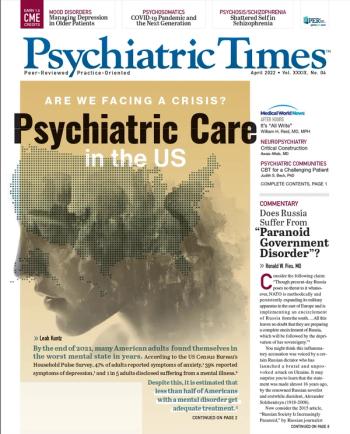
The experts weighed in on a wide variety of psychiatric issues for the April 2022 issue of Psychiatric Times.

In this CME, evaluate the treatment options for depression among older adults.

In this CME article, learn about the best ways to assess depression in the geriatric population.

Remembering Lissy Jarvik, MD, PhD—a pioneer of geriatric neuropsychiatry.

Respondents discussed COVID-19 conditions and mental health benefits.
Recent updates in suicide prevention interventions for older adults and how a novel tablet application may provide relief to individuals at high risk of suicide.
Women and individuals in their 50s and early 60s reported feeling the most stress about COVID-19.

What can older adults teach us about supporting mental wellbeing?

It's time to take a critical look at our health care system.

Seniors living independently have suffered isolation during the pandemic. What role can technology play in solving this?

What treatment strategies are available to improve the quality of life for older adults who are aging with schizophrenia?

Trauma-related psychiatric disorders such as PTSD and grief often go undetected and untreated in older adults. Here's how to help.
How does COVID-19 contribute to cognitive impairment in older adults and future cases of dementia?


Isolated older adults may be especially vulnerable to addiction issues with the onset of the pandemic. Here’s how telemedicine can help.
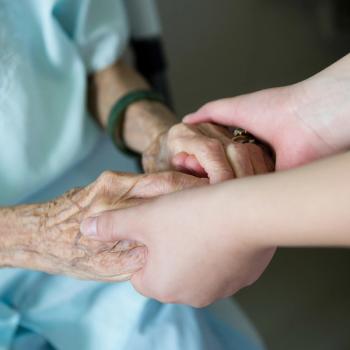
With the growing elderly population and the prevalence of cognitive impairment, how can we protect older adults from financial scams?
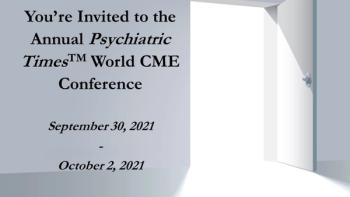
At the Annual Psychiatric Times World CME Conference, an all-star lineup of presenters will share their latest research. Check out this preview of the full agenda.

Most psychotic disorders appear in adolescents or young adults, but some also occur during later life. Here's how to recognize and treat them.