

Conference Coverage
Latest Content

Oct 27, 2026 | News
Dementia Pipeline Update: Phase 2 and 3 Developments in Alzheimer Disease and Lewy Body Dementia

Podcast: Staying Engaged in Psychiatry Beyond the Lecture Hall
Oct 27, 2026

Daridorexant, Orexin Receptor Agonist, Shows Positive Results in Pediatric Insomnia
Oct 26, 2026

Synapse-Level Mapping Could Reveal How Disrupted Brain Circuits Lead to Psychiatric Disorders
Oct 26, 2026

FDA Aligns on Key Elements of Phase 3 Study of Zervimesine for Dementia With Lewy Bodies
Oct 23, 2026




Advertisement
Shorts

1:10
The 'Ocean' Metaphor: Engaging With Patients' Background
12 hours ago
by
Frank A. Clark, MD(+1 more)
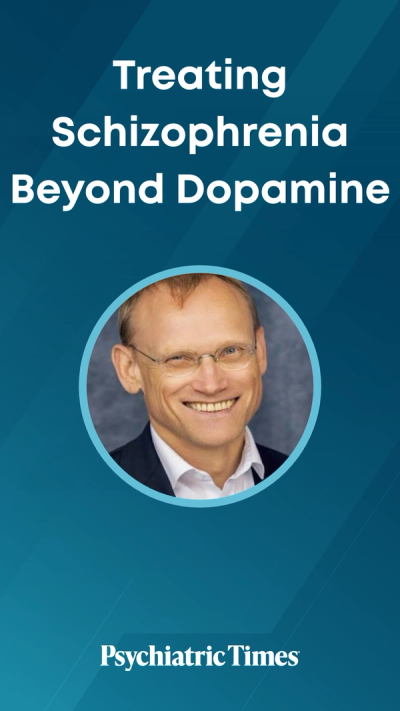
1:23
Treating Schizophrenia Beyond Dopamine
16 hours ago
by
Christoph U. Correll, MD

1:02
The Psychiatrist-Therapist Connection
2 days ago
by
Frank A. Clark, MD(+1 more)

1:12
SAINT: A Faster TMS Course for Depression
2 days ago
by
Brandon Bentzley, MD, PhD

1:14
Lithium and the Thyroid: What Clinicians Should Know
4 days ago
by
Claire Brandon, MD(+1 more)

1:10
Who Needs a Biomarker Test for Dementia?
5 days ago
by
George Grossberg, MD

1:08
Can EEG Predict Treatment Success?
6 days ago
by
Jose M. Rubio, MD, PhD

0:53
Clinical Tips on International Stuttering Awareness Day
6 days ago
by
Gerald A. Maguire, MD

1:10
Narrowing the Gap in Dementia Diagnosis
6 days ago
by
George Grossberg, MD

1:33
STARS on International Stuttering Awareness Day
6 days ago
by
Gerald A. Maguire, MD





Digital Edition



























Continuing Medical Education









All News
Advertisement
Advertisement

Sleep disruption fuels Alzheimer risk via apnea, fragmentation, and inflammation; improving consolidated sleep, medication review, and sleep-specialist teamwork may protect cognition.

UK AD-SMART platform trial speeds Alzheimer disease treatment discovery by testing multiple repurposed drugs at once across NHS sites, aiming to protect memory and quality of life.

When an antidepressant seems to stop working, the patient’s deterioration is real. The explanation may be less certain.

The evidence points toward an overall protective effect in adult cohorts and no increase in completed suicide in younger populations.

A psychiatry resident and APA Diversity Leadership Fellow explains how social history, open talk about stigma, and bilingual videos can widen access to care.

Phase 2 data show RAP-219 eases acute bipolar mania with significant YMRS gains and encouraging tolerability, setting the stage for FDA talks and phase 3 plans.

Explore evolving ethical challenges of long-acting injectable antipsychotics, weighing relapse prevention against coercion, stigma, incentives, and racial equity in clinical practice.

Neurocrine launches a phase 2 trial of once-daily NBI-'567, testing a selective muscarinic agonist to boost cognition in mild to moderate Alzheimer disease.

Review finds ADHD drugs may ease perimenopause brain fog and improve daily focus, but objective cognition gains remain unclear; larger safety and efficacy studies needed.

An endocrinologist warns psychiatrists against overreading peripheral thyroid hormones and flags kelp and T3 microdosing as underrecognized risks.
Advertisement

Phase 2 trial finds bezisterim shows safety and symptom gains in long COVID, with strongest benefits for severe fatigue, PEM, and cognitive issues.

Adjustment disorder often goes undiagnosed after major life stressors, especially in cancer care; learn updated criteria, risks, and emerging therapies like psilocybin.

This study compared the efficacy and tolerability of the 5 second-generation antipsychotics that are currently FDA approved as adjunctive treatments for adults with MDD.

Ketamine or esketamine during C-section anesthesia lowers early postpartum depression symptom scores in trials, hinting at a new prevention approach under study.

Real-world data show TRD costs spike during resistant episodes; Compass’ psilocybin COMP360 delivers durable symptom relief through 26 weeks, potentially easing resource strain.
Advertisement
Advertisement
Trending on Psychiatric Times
1
Synapse-Level Mapping Could Reveal How Disrupted Brain Circuits Lead to Psychiatric Disorders
2
Dementia Pipeline Update: Phase 2 and 3 Developments in Alzheimer Disease and Lewy Body Dementia
3
FDA Aligns on Key Elements of Phase 3 Study of Zervimesine for Dementia With Lewy Bodies
4
Daridorexant, Orexin Receptor Agonist, Shows Positive Results in Pediatric Insomnia
5