

“A narrow way through”: can H. Steven Moffic, MD, predict the future of psychiatry?

Dr Moffic is an award-winning psychiatrist who specializes in the social, cultural, ethical, spiritual, and religious aspects of psychiatry, and since 2012 is in retirement as a private pro bono community psychiatrist. A prolific writer and speaker, he has done a weekdays column titled “Psychiatric Views on the Daily News” and a weekly video, “Psychiatry & Society,” since the COVID-19 pandemic emerged. Among his diverse and rare combination of major awards for psychiatrists, he was selected to receive the international Oskar Pfister Award for his contributions to religion, spirituality, and psychiatry at the American Psychiatric Association (APA) annual meeting in May 2026. Previously, he was chosen to receive the 2024 Abraham Halpern Humanitarian Award from the American Association for Social Psychiatry; the 2016 Administrative Psychiatrist Award from the American Psychiatric Association; in 2002, the one-time designation of being a Hero of Public Psychiatry from the Speaker of the Assembly of the APA; at the turn of the new millennium, an APA Art Association award at the annual meeting for his displayed collage “Any Point of View (of Rusti) is Pure Delight”; and in 1991 the Exemplary Psychiatrist Award from the National Alliance for the Mentally Ill. He also presented the third Rabbi Jeffrey B. Stiffman lecture at Congregation Shaare Emeth in St. Louis on Sunday, May 19, 2024. He has been an advocate and activist for mental health issues related to climate instability, physical burnout, and xenophobia, among other social justice causes, serving on many related local and national community and professional Boards. He has edited the requested 5-volume series on religions and psychiatry for Springer: Islamophobia, anti-Semitism, Christianity, The Eastern Religions and Spirituality, and in 2026, the Second Edition of Islamophobia and Psychiatry. He serves on the Editorial Board of Psychiatric Times.
“A narrow way through”: can H. Steven Moffic, MD, predict the future of psychiatry?

Approximately 4 years of COVID-19…

What positivity emerged from the Oscars?

Over these years psychiatry has made strides in the interfaith relationships that can contribute to unity among religious diversity.

Using Dune as an indicator of the future of psychiatry…

As we enter the second coming of psychedelics popularity, H. Steven Moffic, MD, looks ahead to their third coming. Will it be similar to that of Dune?

Science fiction or reality? Women’s rights take the center stage in today’s discussion, and in the new movie “Dune: Part Two.”

H. Steven Moffic, MD, views the Dune book and movies through a psychiatric lens.

Have you seen "Dune: Part Two?" H. Steven Moffic, MD, gives his social psychiatric review.

Remembering the 1-year anniversary of Frank Miller, MD’s death.

Over the last century and even longer, we have taken a useful fossil fuel energy road that has also led to the problematic adverse effects of acute and long-term disasters. Is this reflected in current popular films like “Dune: Part Two”?

“Dune: Part Two” releases today. What social psychiatric implications might it have for our current society?

Has psychiatry leaped in advances in the past 50 years?

Are you excited for Leap Year?

Explore 2 examples of psychiatrists as chief wellness officers.
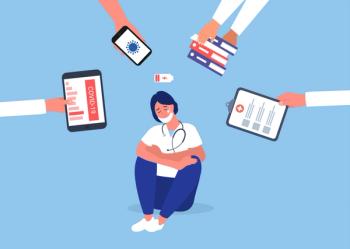
Would a psychiatrist Chief Wellness Officer evoke assumptions that burnout was like a psychiatric disorder?
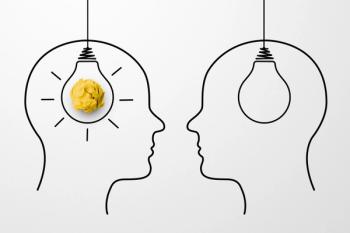
What is positive social psychiatry?

At its most challenging, the ability to transcend differences, whether in psychiatry, education, or politics, can be a matter of life and death.

How can you make a marriage last if you are a psychiatrist?

Look for the unifiers in divisiveness.
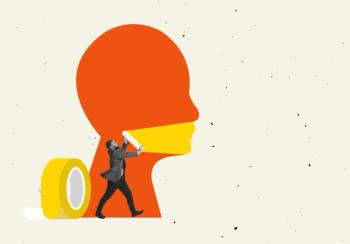
Further exploration of the ethical quandary concerning the Goldwater Rule.

Look for the sunshine in everyday life!

Love: a distraction or inspiration?

Welcome to the Year of the Dragon! What does it mean?

Football and mental health care: Sometimes predictions work, but it is also worth taking some chances and having backup plans.

How has psychiatry affected the role of being a parent? What makes a good parent?

Our overlapping cultural differences in politics are beneficial...

What makes a winning team, in football and in health care?

Does seeing art live vs online impact the brain differently?
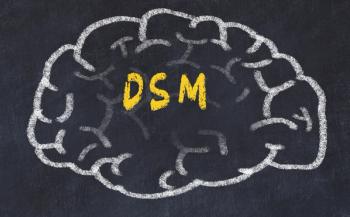
We need improved recognition of the social determinants of mental health.