

Learn how objective digital tests sharpen adult ADHD diagnosis and guide treatment.
Learn how objective digital tests sharpen adult ADHD diagnosis and guide treatment.
APSARD 2026 highlights: stimulant safety vs substance use, ADHD in pregnancy, and new nonstimulants.

Discover insights from Lauren Kenworthy, PhD on treating comorbid ADHD and autism.
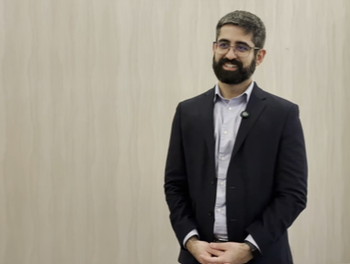
Douglas Leffa, MD, PhD, shares highlights from a poster at the APSARD conference examining severity and age of diagnosis.
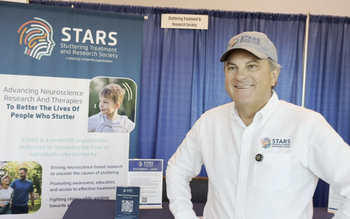
Gerald Maguire, MD, discusses the unmet needs of patients with comorbid ADHD and stuttering.

Tim Wilens, MD, discussed mechanism of action and efficacy of new medications at APSARD Conference.
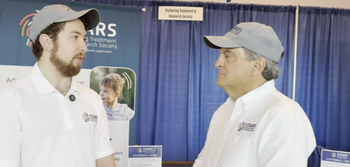
From APSARD 2026, a patient journey demonstrates opportunities in psychiatric education on stuttering and emerging treatment approaches.

Timothy Wilens, MD, shares highlights and clinical implications for ADHD from the APSARD Annual Conference.

Review the misperceptions patients and clinicians may have about ADHD diagnosis and treatment.

Experts discuss the complex relationship between ADHD treatment and substance use disorder.

Barry Herman, MD, shares insights on real-world data of online ADHD assessment tool and telepsychiatry.

Clinicians explore the complex relationship between ADHD medication and pregnancy, emphasizing individualized risk assessments for optimal maternal and child health.

A groundbreaking online ADHD assessment shows 78% agreement with clinician evaluations, enhancing access to mental health care for adults.

Allison Baker, MD, shared insights on supporting women before, during, and after pregnancy at the APSARD conference.

Explore key insights on ADHD treatment barriers and the long-term outcomes for adolescents diagnosed with the disorder.

Benjamin E. Yerys, PhD, shares clinical insights on the impact of the comorbidity at the APSARD Conference.

New research reveals midlife ADHD patients exhibit early Alzheimer disease biomarkers.

Poster discusses evidence-based strategies for managing adult ADHD, including medication guidelines and considerations for comorbid conditions.

Poster presented at the APSARD Annual Conference demonstrates the importance of genetic testing in ADHD.

Centanafadine demonstrates promising effects on ADHD symptoms, enhancing key neurotransmitters without increasing psychomotor activity, according to poster data.

A look at upcoming presentations at APSARD 2026, January 15-18.

Check out these APSARD 2024 updates from Greg Mattingly, MD, president of the American Professional Society for ADHD and Related Disorders.

This APSARD 2024 conference poster finds that individuals with ADHD have distinct motivations and patterns of substance use.

The results were shared in a poster presentation at the 2024 APSARD Annual Meeting.

APSARD tackles the first US adult ADHD treatment guidelines.

Ann Childress, MD, the current president of APSARD, invites you to attend this year's conference!

In an exclusive interview, APSARD President Elect Greg Mattingly, MD, tells Psychiatric Times readers what they can expect at this year's meeting.

How do children with ADHD respond differently to reward and punishment, and how can we help them improve their executive functions?

What are the connections between ADHD, infectious diseases, and COVID-19?

How are minority children with ADHD affected by diagnostic, treatment, and educational inequities—and what can we do about it?