
Consensus definition clarifies Alzheimer agitation, reviews FDA-approved brexpiprazole and dextromethorphan-bupropion, and spotlights caregiver burden
Consensus definition clarifies Alzheimer agitation, reviews FDA-approved brexpiprazole and dextromethorphan-bupropion, and spotlights caregiver burden

Explore next-gen depression therapies targeting neuroplasticity and why biomarkers may unlock precision psychiatry for MDD.

ASCP updates spotlight ketamine safety guardrails, at‑home agitation therapy, psilocybin phase 3 momentum, and biomarker-driven precision psychiatry.

Top 2026 psychiatry conference takeaways: mixed-feature bipolar care, GLP-1 addiction trials, schizophrenia adherence, TD gaps, AI prodrome screening.

SIRS highlights new schizophrenia advances: LB-102 shows promise, Cobenfy switching stays stable, and tazbentetol targets synaptic regeneration.

COMP360 psilocybin shows rapid, durable gains in treatment‑resistant depression, as psychedelics continue to grow.

Where can vagus nerve stimulation fit into treating depression?

New primate data show IV tau-silencing gene therapy cuts brain tau up to 75% with liver-sparing safety, clearing path for 2026 trial.
Motivational interviewing can help psychiatrists address long-acting injectable hesitancy in schizophrenia, according to Gerald Maguire, MD.

How do you pick an LAI antipsychotic? Molecule first, delivery system second, Jacob Hanaie, PharmD, shared at SoCal Psychiatry.
Phase 3 COMP360 psilocybin data show lasting TRD relief; experts explain brain-network reset, therapy support, and what approval could mean.

At the Southern California Psychiatry Conference, Jason Kellogg, MD, shares insights into the evolution of the MDD pipeline, with an eye on rapid-acting novel mechanisms.
Why sleep checks matter in ADHD: spot apnea, executive dysfunction, and hidden ADHD behind treatment-resistant depression.

Learn about screening for postpartum depression and available pharmacological treatments.
Gerald A. Maguire, MD, shares his experience and insights on the importance of trust and empathy.
Explore newly FDA-approved ADHD treatments and late-stage contenders, plus practical guidance on managing sleep disorders with evidence-based behavioral strategies.
Explore rapid TRD breakthroughs: accelerated TMS like SAINT, emerging neuromodulation tools, near-term psychedelic therapies, and why sharper diagnosis improves outcomes.

Experts urge metabolic screening across psychiatric diagnoses, spotlighting tailored interventions and tools like PsyMetRiC—while warning risk talks can backfire.

Experts explain why every diagnosis needs metabolic screening, how to discuss risk safely, and when to use tools like PsyMetRiC to assess risk.

ASCP panel offers deprescribing guidance to curb psychiatric overprescribing, simplify polypharmacy, and improve outcomes with tapering and
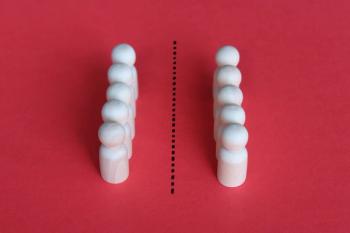
In the first ever episode of "On Your Mind With Erin Crown," explore how tribalism hurts the field of psychiatry and ultimately patient outcomes.
Why psychiatry’s growing “tribalism” harms care—and how clinicians, academia, and pharma can unite to tackle untreated mental illness.
New phase 3 analyses show centanafadine improves adult ADHD executive function and emotional regulation beyond core symptoms, as FDA review advances toward July 2026.

Transgender psychiatrists of color share APA first-panel insights on identity, allyship, and gender-affirming care—urging intersectional, culturally engaged mental health practice.
Pediatric experts link insomnia and mental health, favor CBT over sedatives, and warn against cannabis for sleep.
Explore how circadian gene rhythms differ in schizophrenia, depression, and bipolar disorder—and why stable sleep timing may curb addiction risk.
Sleep and circadian rhythm disruption shape psychiatric symptoms and bipolar mood shifts.
Alkermes’ phase 2 Vibrance-2 shows alixorexton significantly boosts wakefulness and reduces daytime sleepiness in narcolepsy type 2, with benefits sustained.
New SLEEP 2026 data show orexin agonist oveporexton boosts cognition, daily function, and reduces microsleeps in narcolepsy type 1.
Check out new phase 2 dose-ranging study data evaluating alixorexton in patients with narcolepsy type 2.