

How medical conferences cut carbon footprint: greener travel, water stations, compostables, recycled badges, and offsets—AAP’s 2025 model.
How medical conferences cut carbon footprint: greener travel, water stations, compostables, recycled badges, and offsets—AAP’s 2025 model.

AD/PD 2026 highlights oral blarcamesine preserving brain volume and IV lecanemab sustaining use while clearing amyloid-beta.
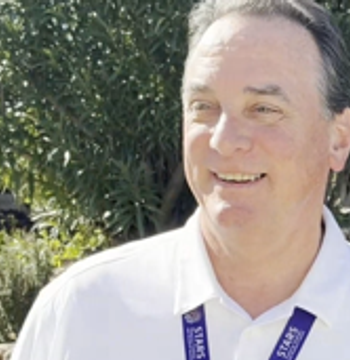
Thomas J. Valente, MD, explains the need for evidence-based guidelines for stuttering and says psychiatrists can help lead care, reduce stigma, and improve support for patients.

Learn how objective digital tests sharpen adult ADHD diagnosis and guide treatment.

Gus Alva, MD, shares the importance of proper recognition of stuttering among patients.

During STARS' international expert consensus meeting, experts discuss the treatment implications of psychiatric comorbidity and stuttering.

APSARD 2026 highlights: stimulant safety vs substance use, ADHD in pregnancy, and new nonstimulants.

Discover insights from Lauren Kenworthy, PhD on treating comorbid ADHD and autism.
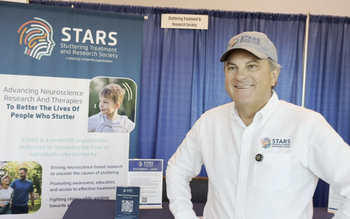
Gerald Maguire, MD, discusses the unmet needs of patients with comorbid ADHD and stuttering.

Tim Wilens, MD, discussed mechanism of action and efficacy of new medications at APSARD Conference.
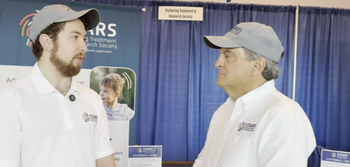
From APSARD 2026, a patient journey demonstrates opportunities in psychiatric education on stuttering and emerging treatment approaches.
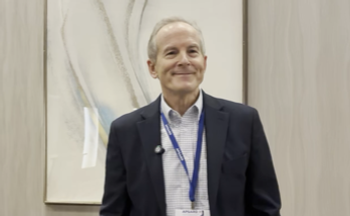
Timothy Wilens, MD, shares highlights and clinical implications for ADHD from the APSARD Annual Conference.

Review the misperceptions patients and clinicians may have about ADHD diagnosis and treatment.

Experts discuss the complex relationship between ADHD treatment and substance use disorder.

Barry Herman, MD, shares insights on real-world data of online ADHD assessment tool and telepsychiatry.

Clinicians explore the complex relationship between ADHD medication and pregnancy, emphasizing individualized risk assessments for optimal maternal and child health.

A groundbreaking online ADHD assessment shows 78% agreement with clinician evaluations, enhancing access to mental health care for adults.
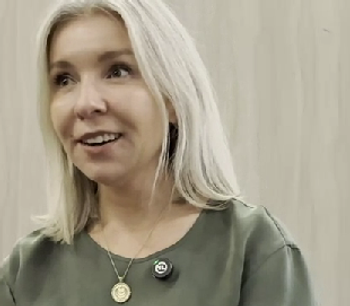
Allison Baker, MD, shared insights on supporting women before, during, and after pregnancy at the APSARD conference.

Seltorexant shows promise as a safe adjunctive treatment for patients with major depressive disorder and insomnia symptoms, with fewer weight changes than quetiapine XR.

Explore key insights on ADHD treatment barriers and the long-term outcomes for adolescents diagnosed with the disorder.
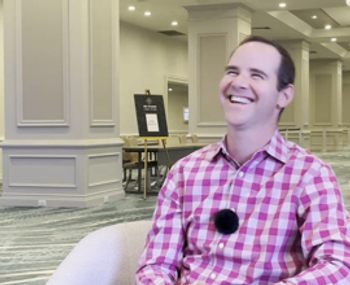
Benjamin E. Yerys, PhD, shares clinical insights on the impact of the comorbidity at the APSARD Conference.

New research reveals midlife ADHD patients exhibit early Alzheimer disease biomarkers.

New data reveals Caplyta significantly improves remission rates in adults with major depressive disorder, offering hope for lasting relief from symptoms.

Poster discusses evidence-based strategies for managing adult ADHD, including medication guidelines and considerations for comorbid conditions.

Poster presented at the APSARD Annual Conference demonstrates the importance of genetic testing in ADHD.

Centanafadine demonstrates promising effects on ADHD symptoms, enhancing key neurotransmitters without increasing psychomotor activity, according to poster data.

New data reveals valbenazine (Ingrezza) shows significantly higher VMAT2 target occupancy than deutetrabenazine (Austedo XR).

A look at upcoming presentations at APSARD 2026, January 15-18.


Roche reveals promising results for trontinemab, an Alzheimer antibody, showing significant amyloid plaque reduction in patients during ongoing trials.