
Computational phenotyping reveals prodromal psychosis clues, connects biomarkers to symptoms, and shows why stress and cannabis reduction matters.
Computational phenotyping reveals prodromal psychosis clues, connects biomarkers to symptoms, and shows why stress and cannabis reduction matters.
Discover APA sessions on OCD therapies, gut-brain microbiome insights, AI, sports psychiatry, and geriatric updates from top clinicians.

Psychiatry faces surging stress-driven illness as psychedelics, lifestyle medicine, and biomarkers reshape precision diagnosis and care.
APA meeting sessions spotlight how psychiatrists protect wellbeing, embrace creativity, and confront structural racism.

Learn how common late-life mental illness is, and what new treatments mean for geriatric care.
Learn how to navigate APA 2026 with intention—spark collaborations, find mentors, and turn overwhelming sessions into lasting professional connections.
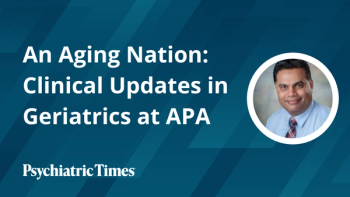
Rajesh Tampi, MD, previews APA talks on geriatric psychiatry.

Get real-time psychiatry conference highlights with video interviews, session takeaways, and quick clips from APA and psychopharmacology meetings.

New analysis ranks lumateperone top for adjunctive MDD symptom relief, with minimal weight gain vs other atypical antipsychotics.

New data shows stable symptoms when switching from atypical antipsychotics to Cobenfy using cross-titration.

Vibrance-1 phase 2 results show alixorexton improves narcolepsy type 1 severity, cognition, and fatigue for 13 weeks with good tolerability.

Discover how art, film, and poetry return to the APA meeting—and why psychiatrists practice creativity in every patient encounter.
Blood-based biomarkers for Alzheimer disease continue to improve, shares expert researcher.

Let's explore the importance of social relationships in psychiatry.

Further data shared on LB-102 for schizophrenia.

A panel of experts presented new consensus recommendations focused on the screening, diagnosis, and treatment of tardive dyskinesia among older adults in long-term care settings.

Tazbentetol interim results show improvement in schizophrenia symptoms.

How medical conferences cut carbon footprint: greener travel, water stations, compostables, recycled badges, and offsets—AAP’s 2025 model.

AD/PD 2026 highlights oral blarcamesine preserving brain volume and IV lecanemab sustaining use while clearing amyloid-beta.
Thomas J. Valente, MD, explains the need for evidence-based guidelines for stuttering and says psychiatrists can help lead care, reduce stigma, and improve support for patients.

Learn how objective digital tests sharpen adult ADHD diagnosis and guide treatment.
Gus Alva, MD, shares the importance of proper recognition of stuttering among patients.

During STARS' international expert consensus meeting, experts discuss the treatment implications of psychiatric comorbidity and stuttering.

APSARD 2026 highlights: stimulant safety vs substance use, ADHD in pregnancy, and new nonstimulants.

Discover insights from Lauren Kenworthy, PhD on treating comorbid ADHD and autism.
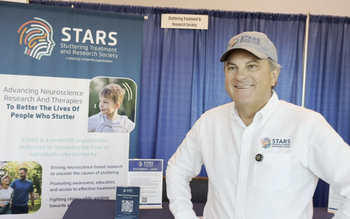
Gerald Maguire, MD, discusses the unmet needs of patients with comorbid ADHD and stuttering.

Tim Wilens, MD, discussed mechanism of action and efficacy of new medications at APSARD Conference.
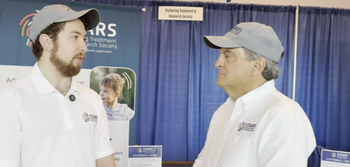
From APSARD 2026, a patient journey demonstrates opportunities in psychiatric education on stuttering and emerging treatment approaches.
Timothy Wilens, MD, shares highlights and clinical implications for ADHD from the APSARD Annual Conference.

Review the misperceptions patients and clinicians may have about ADHD diagnosis and treatment.