
“Each person the right to tell their own story in their own way”: An Italian-Canadian psychiatrist traces family journeys across 3 countries, revealing migration’s lessons on identity, belonging, and resilience.
“Each person the right to tell their own story in their own way”: An Italian-Canadian psychiatrist traces family journeys across 3 countries, revealing migration’s lessons on identity, belonging, and resilience.

Exercise boosts recovery in depression and psychosis, and improves cognition and quality of life; clinicians can now use the 5A model to make movement a routine psychiatric tool.
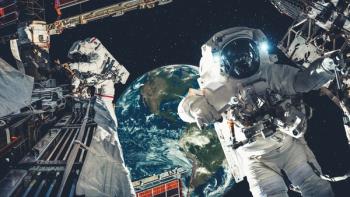
Artemis II astronauts spark a psychiatrist’s look at “joy trains,” music, and meaning—practical ways teams rekindle joy and prevent burnout.
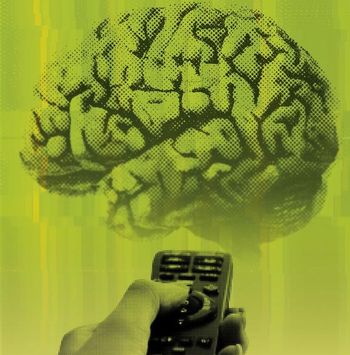
Reality TV puts therapy on camera, reducing stigma but raising ethical, privacy, and misinformation risks—and affecting viewers and cast.

New ASAM youth criteria redefine SUD care with brain-stage levels, chronic monitoring, detox safety, and family-centered support.

From Artemis II’s fiery return to life after prison or vacation, this article shows how reentry stress becomes a skill for growth.

To prescribe or not to prescribe?
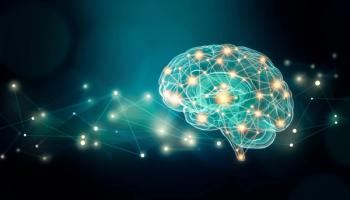
Deep intracranial frequency stimulation 77.5 Hz high-gamma approach was associated with statistically significant reductions in self-injury behaviors and depressive symptoms in female adolescents with nonsuicidal self-injury.
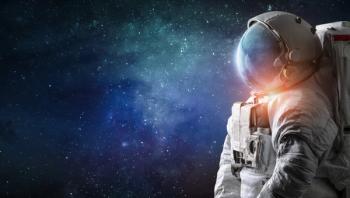
What can the Artemis II astronauts tell us about both outer space and the inner space of our minds?

BPL-003 phase 2a part 2 results show reductions in depression symptoms.
A new US Department of War backed phase 2a study will test BXCL501's efficacy in easing acute stress reactions and preventing PTSD.
Stroke recovery lasts years; learn why fatigue, sleep, hormones and cognition demand ongoing rehab beyond 90 days—and how progress can continue.

Experts share how roluperidone provides a new opportunity in the schizophrenia treatment landscape.
Early MRS data show AL001 delivers lithium effects across the brain while sparing glutamate, hinting at better tolerability than lithium carbonate.

How is artificial intelligence affecting human intelligence?

Remembering 2 child and adolescent psychiatrists...


Should hospitals be required to integrate AI-driven risk stratification into emergency department workflows to maintain accreditation? Join the debate.

As Canada approaches the planned implementation of their medical euthanasia program for patients with sole psychiatric illnesses, these authors make an argument as to why euthanasia should remain closed to patients with psychiatric disorders.

Remembering Donald P. Hay, MD, and other deceased psychiatric colleagues.

What are the cultural, religious, philosophical, and psychological factors that differentiate Eastern and Western values regarding assisted suicide and euthanasia?

New analysis links traumatic brain injury to later psychosis, prompting long-term screening and follow-up.

Often the best opportunities for mental health growth come when psychiatry, religions, and spirituality can enhance one another.

A novel form of agomelatine shows positive initial results.
Phase 2 trial of oveporexton for narcolepsy type 1 finds improvement on measures of cognition, in addition to previously demonstrated improved hallmark symptom of nighttime wakefulness.
Lipocine's oral brexanolone (LPCN 1154) for the treatment of postpartum depression failed to meet the primary endpoint in a phase 3 placebo-controlled trial.
Pop psychiatry fuels misdiagnosis of autism or ADHD, delaying psychosis and bipolar treatment—why accurate labels and early meds save lives.
Yesterday, we launched a spaceship the moon for the first time in 53 years. What implications does this journey have for psychiatry?

Elite coaches often run on severe sleep loss, risking impaired decisions, emotion control, and leadership.

An interview with Felice Jacka, OAM, PhD, on the rapidly developing field of nutritional psychiatry.