
Cytisinicline helps smokers quit—even after multiple failed attempts—showing reduced nicotine dependence in phase 3 trials.
Cytisinicline helps smokers quit—even after multiple failed attempts—showing reduced nicotine dependence in phase 3 trials.

Distorted psychological safety and toxic leadership in residency push attendings into silence; tarot archetypes reveal betrayal, burnout, and renewal.

Why DSM diagnoses shape treatment and insurance denials—and how a WHO-aligned, dimension-based system could modernize psychiatry beyond DSM-5-TR.

AI chatbot companions surge, but risks include teen harm, sexual exploitation, echo-chamber mental health crises, privacy invasion, and scams.

Psychiatrists and mental health clinicians: share quick vertical video insights, pitch topics, and get featured—email us or connect at conferences to amplify your clinical voice.

The future DSM revamp is coming, weaving social context, biomarkers, functioning and symptom dimensions into faster, evidence-based diagnosis.

Debunking recurring scares about psychiatric drugs, this article weighs real risks against stigma, showing how warnings can backfire and mislead.

Explore how stress, sex hormones, and birth control shape mental health—share cases, tips, or CME ideas for our March series.

Light triumphing over darkness in war: a reflection of psychiatry triumphing over mental health disorders.


Tell us about your knowledge level on stuttering!

Here's what clinicians must do when patients admit viewing CSEM: more on state reporting rules, confidentiality limits, and why California is different.

Check out the pipeline updates from February!

A psychiatrist links today’s civil rights tensions to urgent psychiatric rights—funding, burnout relief, social care, and free speech for clinicians and patients.

Attention-deficit/hyperactivity disorder(ADHD) is among the most prevalent neurodevelopmental conditions in both childhood and adolescence. ADHD is associated with significant academic, emotional, and functional impairment. In clinical practice, pharmacotherapy and behavioral interventions remain foundational. However, physical activity and structured sports participation represent underutilized, evidence-based adjuncts for symptom regulation, emotional resilience, and long-term health. Meta-analytic evidence demonstrates that exercise improves attention, executive functioning, and core ADHD symptoms. Newly emerging literature highlights the moderating role of family context and access disparities. Sports psychiatry provides a translational framework integrating mental health treatment with performance optimization, injury recovery, and psychosocial development. Adopting a neurodiversity-informed, biopsychosocial lens allows clinicians to leverage movement as a regulatory and strengths-based intervention rather than solely a symptom target. This article synthesizes epidemiologic trends, exercise science, parenting influences, and sports psychiatry principles to offer practical clinical strategies for psychiatrists counseling families and youth. Emphasizing physical activity as a core component of holistic ADHD care may enhance resilience, engagement, and lifelong mental health trajectories.

Academic medicine pressures attendings—seen through Jungian tarot archetypes.

Discover how inclusive sports and working out boost mood, reduce stigma, and help people of all sizes build resilience, connection, and lasting health.

How ageism shapes mental health at 80, from Evita’s “Rights of Old Age” to today’s push for an age-just society.

Early psychosis screening in teens and young adults helps catch overlooked symptoms sooner.

Don't miss out on these CME articles! Test your knowledge here.
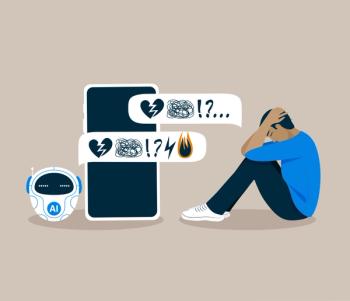
Clinically grounded simulations reveal how chatbots can reinforce distress—pushing for safer AI standards.

Psychiatry confronts Epstein’s legacy, urging ethical accountability, prevention, and resources to address power abuse, sex trafficking, and women’s trauma worldwide.


Psilocybin for depression nears approval; clinicians must manage medication interactions, avoiding lithium and MAOIs while monitoring vital signs and blunted effects.

Why repeat psychiatric admissions persist, plus what hospital teams can do to break the cycle.

Olympic stories of joy, injury, and grit reveal lessons for psychiatry—burnout, secondary trauma, and knowing when to step back or retire.

FDA clears Bysanti, a novel atypical antipsychotic for acute bipolar I and schizophrenia, leveraging Fanapt data; US launch planned 2026.

The FDA accepts Teva’s once-monthly olanzapine injection for schizophrenia, promising steadier adherence without mandatory 3-hour monitoring.

How does MDMA-assisted therapy rewire fear circuits in PTSD and boost trust? Why has the FDA asked for more safety data? Learn more in this Special Report.
APSARD 2026 highlights: stimulant safety vs substance use, ADHD in pregnancy, and new nonstimulants.