

Transgender psychiatrists of color share APA first-panel insights on identity, allyship, and gender-affirming care—urging intersectional, culturally engaged mental health practice.
Transgender psychiatrists of color share APA first-panel insights on identity, allyship, and gender-affirming care—urging intersectional, culturally engaged mental health practice.

Estrogen shapes schizophrenia in women: onset peaks, dosing shifts, and relapse risk from periods to pregnancy, postpartum, and menopause.

Adults born with congenital heart disease face hidden anxiety, PTSD, and cognitive hurdles. See why embedding psychiatry in cardiac care changes outcomes.

Learn how CYP450 genetics, phase 2 metabolism, and drug interactions shape psychiatric dosing—what’s actionable now and what’s next in PPGx.

Phase 2 IRIS finds ML-004 misses social communication goals in autism, but notably reduces irritability in teens.

FDA issues CRL for cytisinicline, citing manufacturing issues.

Phase 3 results show single-dose DT120 lysergide ODT delivers rapid, lasting relief in major depressive disorder with mild, transient adverse effects.

Learn how cognitive remediation, aerobic exercise, and reducing secondary risks can boost thinking skills and daily functioning in schizophrenia.

Key steps for first-episode psychosis: team-based care, low-dose meds, relapse planning, family support, and cannabis harm reduction.

Midlife sleep trouble predicts poorer well-being 9 years later, especially for women. Here's why clinicians should ask about sleep and menopause triggers.

Learn a multidimensional approach to suicide prevention in schizophrenia—screening, insight paradox, cannabis, cognition, trauma, and ethical AI monitoring.

"I’m a four-year-old prince with a bag of Jack Frost sand filling my sandbox kingdom..."

Teens’ pre-bed smartphone scrolling drives more late-night phone use, disrupting sleep and potentially worsening mental health—experts urge bedtime screen limits and device-free bedrooms.
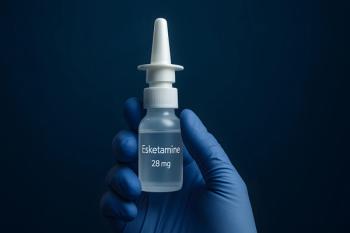
Meta-analysis finds intranasal esketamine boosts remission in MDD and TRD fast, but side effects and short trials leave long-term questions.

Once-nightly regular-release lithium cuts kidney risk, maintains bipolar control, improves adherence, and guides safer serum levels.

Why psychiatrists must talk about sex: sexual dysfunction can exacerbate comorbid psychiatric disorders and contribute to medication nonadherence.

AbbVie’s short-acting psychedelic bretisilocin shows rapid MADRS drops in phase 2a MDD trials, hinting at scalable, supervised depression care.

Explore the brain’s 5 monoamines—beyond serotonin and dopamine—revealing histamine, melatonin, and trace amines shaping sleep, appetite, and mood.

Explore 2026’s fast-moving psych med pipeline: new Alzheimer agitation option, potential novel ADHD therapy, and promising psilocybin for depression.

Lawsuits, research, and clinicians clash over youth screen addiction—learn more about how problematic social platform use evades diagnosis and how we can curb harm.

Phase 2 trial shows elunetirom rapidly eases bipolar depression symptoms with strong response, good tolerability, and FDA Fast Track momentum.

Discover an objective suicide risk assessment for patients denying ideation, using Suicide Crisis Syndrome and staged warning signs to guide earlier intervention.

Blood exosomal microRNA markers reveal oxidative-stress subtypes, predict psychosis conversion, and guide early, targeted treatments like MitoQ.

New DOE RISE rule cuts federal loan limits for graduate nursing, PAs, and social work—threatening workforce diversity and care access.
FDA issues CRL for CTx-1301 in ADHD.

Explore Pride Month insights on LGBTQ+ and other minoritized patients—social determinants, research, practice tips, and case studies for clinicians, in our June theme.

Review the highlights from last week's meeting of the American Society for Clinical Psychopharmacology.

Phase 3 at-home data show sublingual dexmedetomidine cuts severe agitation in bipolar disorder and schizophrenia, supporting FDA label expansion.

DSM’s future adds biomarkers and context, yet validity remains unresolved—are diagnoses real? Critics urge an evidence-based overhaul.

Check out the pipeline updates from May!