

New trial shows edible THC worsens lane control and reaction time at low blood levels, raising doubts about current legal impairment limits.
New trial shows edible THC worsens lane control and reaction time at low blood levels, raising doubts about current legal impairment limits.

ACP outlines ethical AI use in medicine—protect patient trust, curb bias, prevent deskilling, and guide transparent, equitable care.

Yale trio-genomics study links hair-pulling and skin-picking to inherited OCD risk scores and rare DNA variants, hinting at shared brain pathways.

International Overdose Awareness Day marks 25 years, spotlighting fragile declines in deaths and urging naloxone access, harm reduction funding, and stigma-free care.

Much of what we call "treatment-resistant" depression may be mismatched, not resistant. A psychiatrist makes the case for trading the failed-drug tally for a difficult-to-treat framework clinicians can act on Monday morning.

BioVie completes treatment visits in a phase 2 long COVID trial of bezisterim targeting brain fog and fatigue, with topline results expected September 2026.

Check out our pipeline updates from August!

Axsome launches SUMMIT phase 3 testing AXS-05 to help adults quit smoking, comparing it with bupropion and placebo over 12 weeks.

Neurobiology of antisocial behavior links prenatal stress, childhood trauma, toxins, and brain-circuit deficits to proactive vs reactive aggression and psychopathy.

Review news in psychiatry from the last week.

Livestreamed insanity trials reshape public opinion, exposing myths, bias, and psychiatry’s educator role, in cases like the M’Naghten trial to the curent Clancy trial.

Drs Clark and Walton discuss ADHD in underrecognized groups, along with treatment and lifestyle options.

Meta faces an $18B teen-safety settlement, adding time limits, night and school modes, parental controls, and tighter age checks across Instagram and Facebook.

New donanemab dosing cuts ARIA-E risk, speeds MRI monitoring, and shows durable 3-year benefits with lasting biomarker gains in early Alzheimer’s.

Recap Alzheimer disease updates from August.

High-profile infanticide trial fuels debate over postpartum illness, malpractice claims, and whether psychiatrists should be judged for patients’ crimes rather than care quality.

Plasma P-tau217 blood tests match amyloid PET for early Alzheimer pathology, offering scalable, noninvasive detection and forecasting cognitive decline risk years ahead.
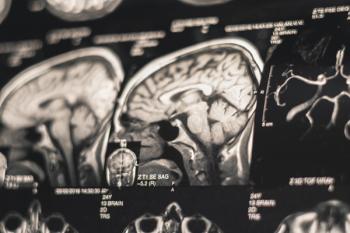
Impaired self-awareness is a frequent and impactful consequence of traumatic brain injury (TBI), occurring in as many as 40% to 80% of individuals with moderate-to-severe TBI. Deficits in self-awareness can negatively impact goal setting, treatment compliance, and motivation for therapy. Addressing this impairment through targeted interventions can improve rehabilitation outcomes, psychosocial adjustment, and community participation.

Bipolar depression does not have a single face. Through one patient’s journey, this case-based reflection explores 5 distinct presentations and how each can shape clinical recognition and treatment.

Experts unpack benzodiazepines in seniors: Beers Criteria, fall risk, Alzheimer bias, and practical low-dose, mindful prescribing strategies.

How online scams and AI deepfakes prey on people with schizophrenia, triggering relapse—plus practical clinician screening and safety planning tips.

Clinicians weigh benzodiazepine benefits against dependence fears, with expert guidance on safe prescribing, withdrawal tapering, and long-term anxiety treatment choices.

A psychotherapist recommends standout books that help artists face doubt, master practice, and protect vision—insightful guidance across mediums.
See the latest in this psychiatric news roundup.
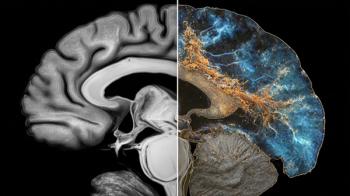
FDA clears a simple pTau217 blood test that helps clinicians rule in or out Alzheimer’s amyloid earlier, expanding access beyond PET/CSF.

In this CME article, explore why migraine often coexists with depression and anxiety, and get practical tips for diagnosis, prevention, and smarter prescribing.

Clearmind patents MDMA plus PEA combo aiming to boost PTSD, anxiety and eating-disorder therapy as FDA issues new psychedelic trial guidance.

FDA acceptance of mitragynine IND launches NIH phase 1 trial for opioid use disorder, tracking safety, dosing, and PK amid new DEA scheduling moves.

Digital reading boosts convenience but weakens comprehension and memory; evidence links “digital amnesia” to shallower learning, making print vital for deep clinical study.

PleoPharma secures $6.5M NIDA grant to advance phase 3 PP-01 trial, aiming to ease cannabis withdrawal and address untreated cannabis use disorder.