
These challenges need our courage and unity…
These challenges need our courage and unity…

Catch up on the latest CMEs in Psychiatric Times.

From Alzheimer disease treatments to the psychiatric implications of conspiracy theories, here are highlights from the week in Psychiatric Times.

How can we effectively identify hoarding disorder, the various treatment options, and the research that informs these interventions?

How can we help primary care providers effectively manage mental health conditions in primary care settings?

A psychiatrist discusses how he helps individuals around the world heal from invisible wounds.

Transcranial direct current stimulation for depression.

There is no shortage of evidence for the elevated and sustained psychological trauma, mental illness, distress, and anxiety about climate change.

It’s been 3 years since COVID-19 was declared a pandemic…

Share your favorite hobbies and activities outside of work in our After Hours video series.

A look at one of the most informative yet easy-to-administer tests for assessing brain dysfunction.

Researchers performed a nationwide register-based cohort study of patients treated with lithium in Finland.

Lithium: what’s its history and where do we still need more information?

How can you provide the best care when presented with ethical and legal issues?

Celebrate the women in your life!

“The practice of medicine is an art, not a trade; a calling, not a business; a calling in which your heart will be exercised equally with your head.”

Here’s how providing tailored mental health support for health care professionals can help alleviate burnout and other mental health challenges within health care.

Share your go-to methods for maintaining your mental health in our Wellbeing Checkup video series.
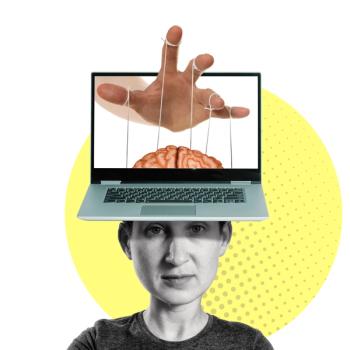
About half of the US population believes in at least 1 conspiracy theory. An expert explores the political, sociological, and psychological factors of the false flag concept.

Sleep and suicide: researchers performed a systematic review and meta-analysis of objective sleep markers of suicidal behaviors in patients with psychiatric disorders.

However we may define autonomy, it is but one factor in judging the ethics of assisted suicide.

As more and more psychiatrists turn to coaching, what’s behind this supportive profession?

What are the available and upcoming AD treatments and how can you utilize them to best serve your patients?

Should we tell the truth?


From the normalization of burnout to the identification of sleep-wake disturbances post-TBI, here are highlights from the week in Psychiatric Times.

How can neuromodulatory treatments be used in patients with eating disorders?

Should we open this box…?

Results show that the novel formulation of dexmethylphenidate can be taken either with or without food.

This 2022 Sigourney Award winner reflects on his work.