
Digital therapeutics may be the biggest paradigm-shifting change medicine has seen yet...
Digital therapeutics may be the biggest paradigm-shifting change medicine has seen yet...

The documentary Orchestrating Change has won the 2021 Austen Riggs Erikson Prize for Excellence in Mental Health Media.

After the past year's lockdowns, making time for meaningful connections becomes more important than ever.

One doctor argues that assisted suicide is just that—suicide, not murder—and should be available for some patients.

More potential good news for treating Alzheimer disease, as an 18-month open-label extension for lecanemab allows for its breakthrough status.

Clinical experiences and insights in this Case-Based Psych Perspectives were shared by Leslie L. Citrome, MD, MPH, a psychiatry specialist from Valhalla, New York, and Rose Mary Xavier, PhD, MS, RN, PMHNP-BC, a research scientist and psychiatric nurse practitioner from Chapel Hill, North Carolina. This article provides a summary of key discussion topics from this custom program.

Sometimes we need a reminder...

How is “disease” defined? A popular criticism of psychiatry gets debunked.
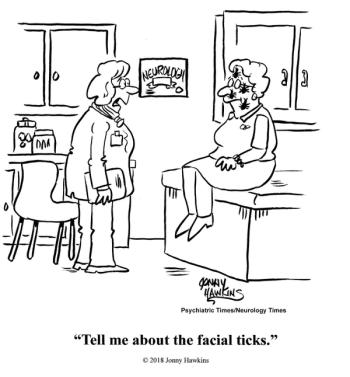
About these facial ticks...
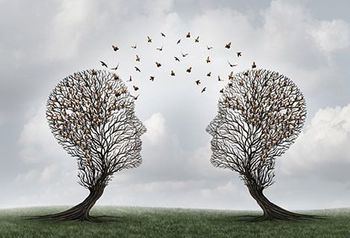
Even with difficult topics, it is possible to have meaningful and respectful conversations.

A working model for eliminating stigma and transforming mental healthcare within the military.

Why does the prospect of getting back to normal after the pandemic disturb some patients? And what can be done to overcome these fears?

Normalizing mental illness, reducing stigma, and the importance of self-care take a giant step forward during the Olympics.

After struggling with boundaries and saying "no," this psychiatrist found his voice.

What does 'resilience' include for older adults?

How can the sprinkler be applied to diversity, equity, and inclusion?

To move forward, we need to learn from the painful lessons of the past. On his birthday, thoughts turn to Emmett Till.

Acknowledging a patient's ability to grow and recover may help them feel more understood despite ongoing suffering.

How can freedom of thought conquer the conquerors?

By prioritizing minds and brains, governments, civil society, and companies will be better equipped with the health and skills needed to face unprecedented global challenges.

Resilience is a relatively neglected topic of research, but it has the power to dramatically improve patients' lives.
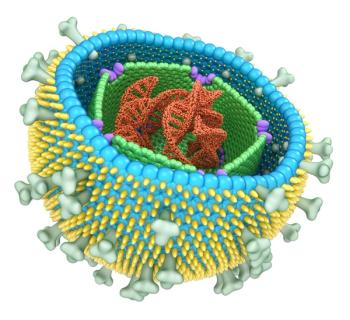
A growing body of scientific literature makes the case.
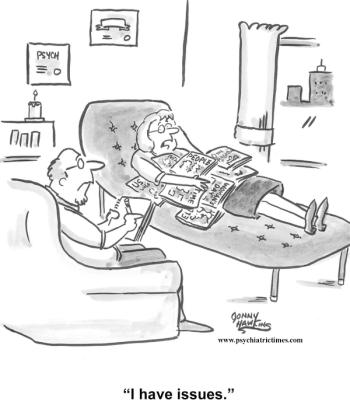
I have issues...

How can you reason with someone who is determined to believe misinformation? One doctor shares his reflections.

Imposter syndrome: a doctor’s nemesis…

Anger, sadness, incredulity… Here is why police and communities of color need to engage in an open conversation to foster trust.



An extended release, ultra-long acting antipsychotic takes another step forward in the approval process.