







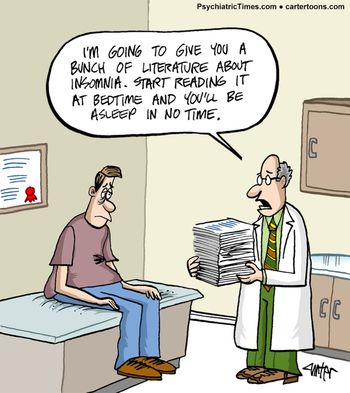
A humorous cure for insomnia.
A humorous cure for insomnia.

Editors' choices of noteworthy psychiatry stories from around the Web: genetics of schizophrenia, Alzheimer disease, the perils of mixing prescription and over-the-counter medications, new guidelines for treating pain with opioids, and other topics.
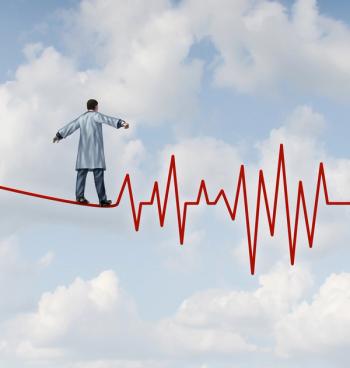
Forty years later, we are still in the belly of the managed care beast.

A veritable explosion of tweets on opioid guidelines, the American student sentenced to 15 years of hard labor in North Korea, Brain Week, "Trump Anxiety," and other issues that were shared and reshared from and around Psychiatric Times' Twitterverse.

This month's editors' picks include controversial topics-euthanasia, "conversion therapy," genius and madness, and more.
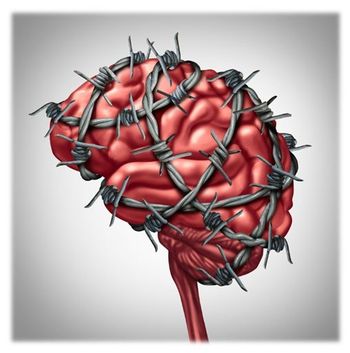
The Prinzhorn collection laid the groundwork for psychiatric art and inspired many modern artists.

The current shortage of psychiatric beds in the US is a major problem. Patients are discharged prematurely and often have to be readmitted or end up homeless or incarcerated.

A review of a compelling documentary on the spectacular rise and catastrophic fall of British singer Amy Winehouse, a star with an old voice in a young body.

Suicide contagion and clusters are more likely among young people in contained communities such as college campuses.
"If only I had this, I would feel that."
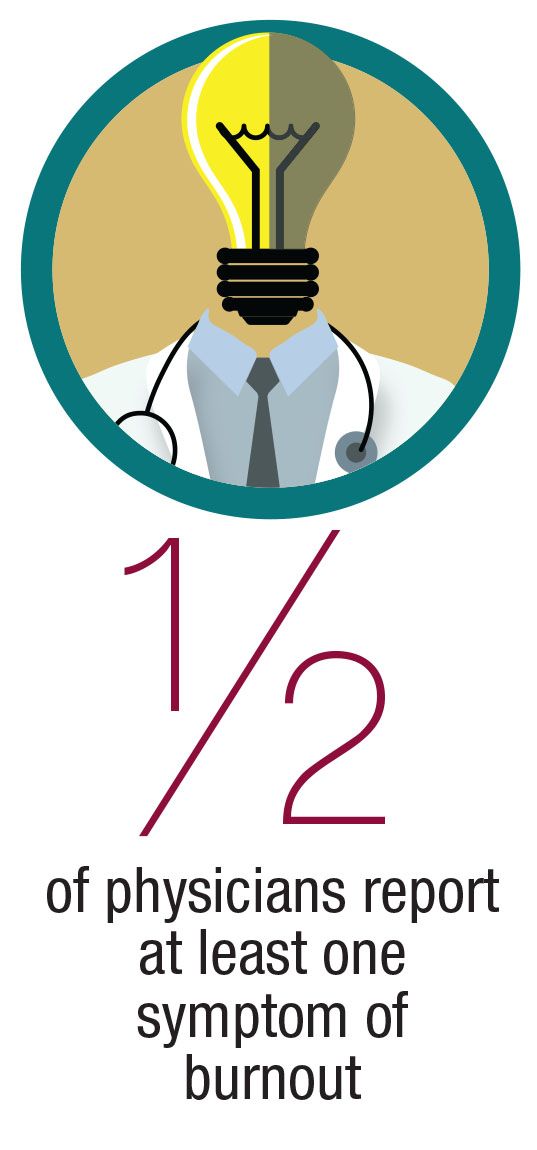
Stories covered in the January issue included gun violence, physician burnout and depression, mental health/HIV, young adult psychiatry, women's issues, and other topics of interest to clinicians.

While much in the history of “madness” has changed over the course of time, one of the most consistent-yet sometimes overlooked-features of that history has been the presence of the visual arts.

What can we do, as a society, to reduce the levels of incivility and narcissism that appear to be on the rise?

Editors' picks, including the biggest story of the year thus far and others of interest to psychiatrists and the public.

A penguin? An igloo? A big snowflake? Weigh in on this Rorschach-type image, just for fun.
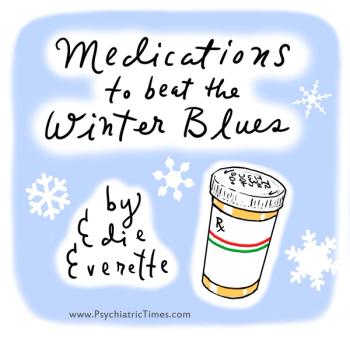
Post-holiday hangover? Here are some comical treatments to beat the winter blues.

How far can the regulation of medicine extend without becoming Orwellian?
We invite you to reflect on your diagnostic understanding of topics presented this year.

As 2015 comes to an end, here's what psychiatry can -- and can't -- bring to the table, especially when it comes to acts of terrorism.

Remembering notable clinicians and members of the public who made a difference.
The events here were cited as the most important changes in psychiatry since 1945.

This issue of Psychiatric Times covered government fraud, emergency psychiatry, PTSD in practicing psychiatrists, college mental health, and other critical issues.

Most psychiatrists do not fit neatly into the biological or psychodynamic camps. Instead, like surgeons, they will implement tools that reduce the suffering and enhance the well-being of the patient.

Editors' picks this month include stories on ECT, schizophrenia, the Paris attacks, nutritional psychiatry (really), and the prescription opioid epidemic.

A poem written by a psychiatrist: "A faith in human kindness lost, abandonment with lasting cost."