












A tribute to the life and work of psychiatrist Walter Weintraub, MD.
A tribute to the life and work of psychiatrist Walter Weintraub, MD.

News from around the web includes reports on physician burnout, the effects of diet on brain inflammation, written exposure therapy for PTSD, Parkland, psychedelics, benzodiazepines, and social media to gauge mental health.

The sequel probes the big questions without flinging them in the viewer’s face. How does memory articulate with one’s sense of origin and purpose-and, above all, of death?

Ten points to consider on the social phenomenon of migration of millions of people across the globe.

Between 2006 and 2016 the overall US suicide rate went up from 10.97 to 13.26 per 100,000 people. Those numbers may seem small, but they reflect an increase of just over 20% in these 10 years.
News from around the web includes stories on racism in medicine, mental health stigma in Olympic athletes, sibling bullying, and more.

Labeling a (clinically unexamined) public figure as "dangerous" can do as much or more harm as promulgating a specific psychiatric diagnosis.

How many of you support the APA position on the Goldwater Rule? Let us know in this poll.

The cases presented here illustrate the complexities of memory loss and psychiatric comorbidities.

The media has tremendous power in delivering messages to the public about mental illness. This year, the media got it wrong.

For a long time, we have relied to a large extent on phenomenology and diagnosis to plan treatment strategies, but advancements in psychiatry are changing that for the better.
Tracking and measuring the nation’s health is no easy undertaking. How are we doing?

Compelling commentaries by Psychiatric Times' contributors and editorial board members.

This year we asked about the best and worst things relating to our field. As always, we received a diverse group of responses.

The era of evidence-based best practices has arrived, and psychiatry needs to get on board.
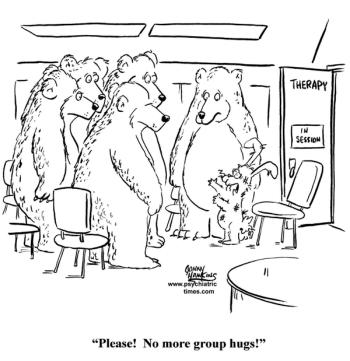
Please! No more group hugs!

We can encourage more responsible media coverage of mass shootings in an effort to cut down on “copy-cat” killings. Here are 4 guidelines.

Here's a model that can stimulate psychiatrists to understand and address denial of global warming, the cognitive dissonance and guilt of our own responsibility, and the role of resilience in adapting to environmental changes.

Treatment nonadherence in psychiatric patients contributes to increased suicide rates, illness exacerbation, hospitalization, and mortality. This Special Report countdown highlights the psychiatrist’s role in addressing barriers to treatment in a number of scenarios.
I hope you'll take a little time to read The Lancet Psychiatry Commission on the Future of Psychiatry, and to reflect on how we’ll address a number of issues critically important to the future of our profession.

Evil? Psychopathology? Mental illness? Gambling disorder? Brain tumor? Can future massacres be prevented if we understand what caused the Las Vegas shooter to become our country's biggest mass murderer?

No, there is no generalized epidemic of mental illness in the US, nor credible evidence that psychiatric drugs are driving up rates or severity of mental illness. But there is an urgent need for more and better treatment of psychiatric disorders.

Recent events in Charlottesville are poignant reminders that the wounds caused by bigotry and racism leave a deep imprint on our spirit, bodies, and psyche.

Here's how I've managed to get my own mind off the news. What about you?

Successful culturally adapted interventions to improve adherence among Latino patients with depression and schizophrenia confirm how important it is to understand a patient’s entire sociocultural environment.