


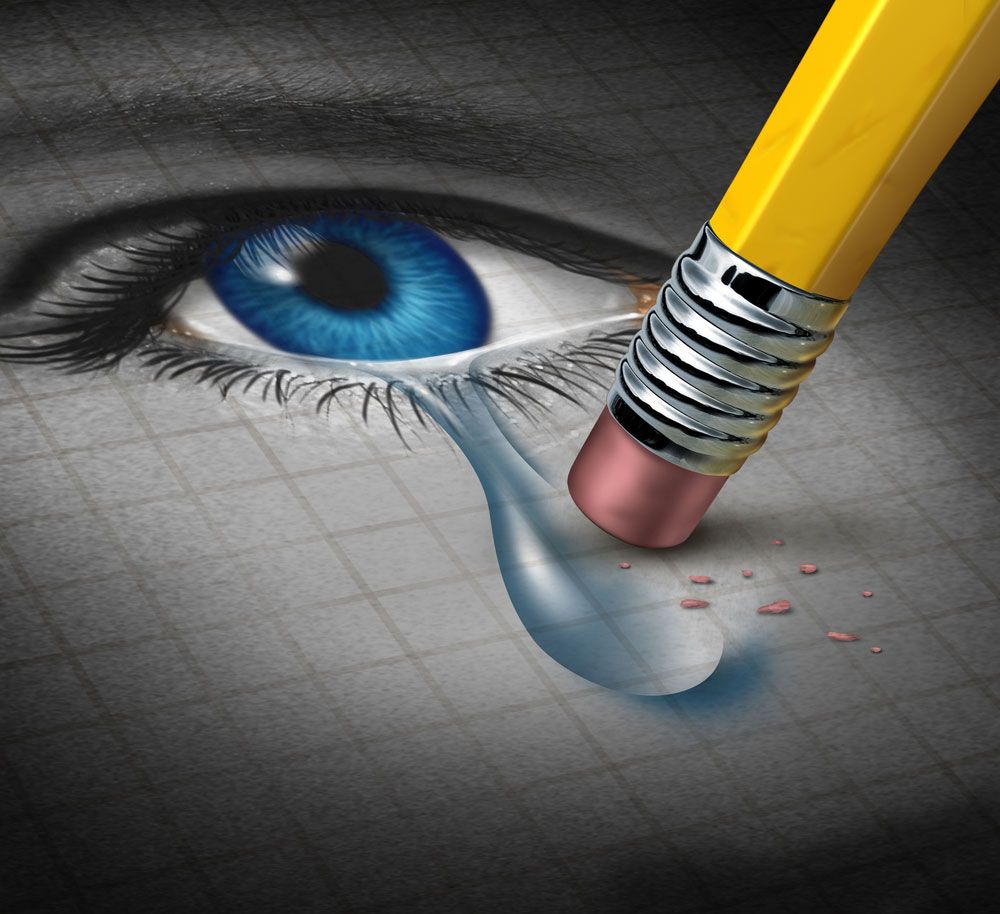









Psychiatrists are in a unique position to actively address the collective trauma caused by rampant and persistent race-based disparities in health care and police violence.
Psychiatrists are in a unique position to actively address the collective trauma caused by rampant and persistent race-based disparities in health care and police violence.

The recent ghastly killings of Ahmaud Arbery, Breonna Taylor, and George Floyd serve as a reminder that the pursuit of happiness and longevity remain a dream deferred for Black America due to systemic racism.

A social determinants framework requires that we treat the parallel diseases of COVID-19 and racism as equally detrimental to the health and well-being of our patients.

Racism is one of the ugliest aspects of human nature. It is still present today in all walks of life.
Grandpa Murray, rags to riches, American big shot, the man who dreamt even bigger for his first grandson when he placed a doctor’s bag in my crib . . . the proudest man at my med school graduation.
Can you imagine telling a breast cancer survivor, “All cancers matter?” Dr Frank Clark discusses what led up to writing the words in his poem, Non-Applicable #Hashtag.

The country has erupted into a wave of anger that demands justice and reform; but what can we, psychiatrists, do when we hear “code black”?

It might be advisable to bring in psychiatrists to keep the peace and not federal troops.

In this poignant video, Dr Frank Clark shares what led up to his writing Chocolate-Flavored PTSD and Runner's Paradox.
Frank A. Clark, MD, Clinical Assistant Professor, University of South Carolina School of Medicine – Greenville, SC, presents a timely slice of poetic history.
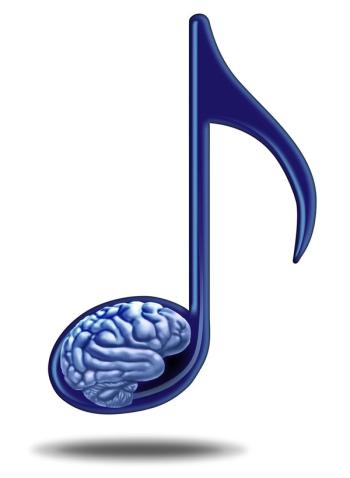
A virtuoso concert pianist and psychiatrist's "play" on the role of music in healing and the influence of psychological and medical factors on the creative output of the great composers in music history.
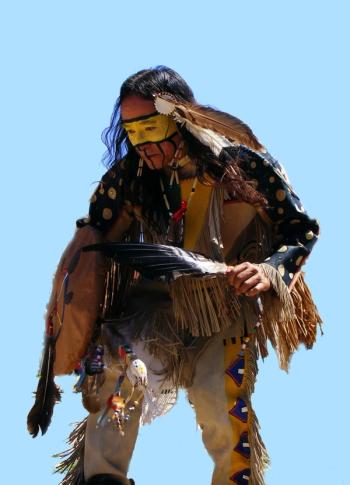
The Navajo population are vulnerable to lung disease due to decades of exposure to uranium mines and the use of wood or coal for heat and cooking. It is now vulnerable to COVID-19.
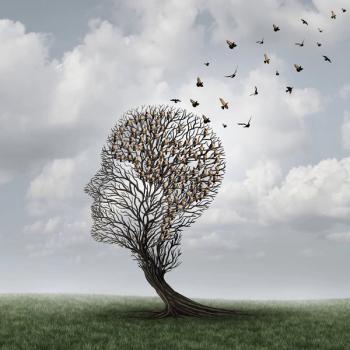
Despite the high levels of resilience, refugee populations are vulnerable and require that the health system continues to provide care during crises.

Different groups are more susceptible to COVID-19, both socially and medically, which is why cultural sensitivity is so important during this time.
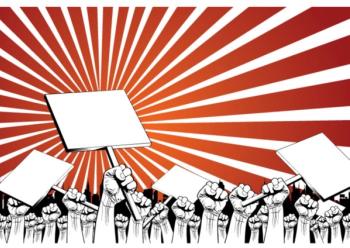
We are seeing a rise in hatred and lack of empathy in the face of COVID-19.

FaceTime, Skype, and other video chat functions are the new normal in the COVID-19 era, and allow this community psychiatrist serve the underserved.
In a time of panic, despair, and demoralization, art continues to inspire the author's reflections as it has over the last 40 years. Here, he shares some images that he finds inspirational and helpful. Even in winter there is hope.
Strange Fruit was written by a Jewish schoolteacher after seeing a disturbing picture of a black man, lynched in the South. But what does this song have to do with the Coronavirus pandemic?

“Recently, I had the opportunity to teach seminary students on the subject of mental health and its interface with spirituality and religion.”
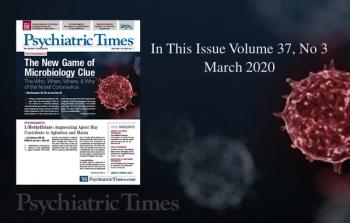
Read the Psychiatric Times issue cover-to-cover, with a bonus PDF.
Neighborhoods, tribes, gangs-each have their own culture. Unless you have been raised in one of them and are "known," you come as a stranger.

You would think that psychiatrists are well-versed in religion and spirituality, but the reality is that they are barely touched upon during our training.
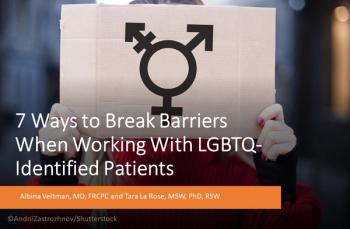
Albina Veltman, MD, FRCPC and Tara La Rose, MSW, PhD, RSW, provide Suggestions on how to create an LGBTQ-positive space in health care settings.
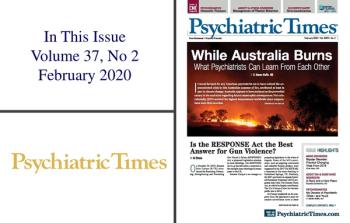
Read the Psychiatric Times February 2020 issue cover-to-cover, with a bonus PDF.

Access to care has improved-especially for low-income and vulnerable populations-which has resulted in better health outcomes.