



Major Depressive Disorder
Latest News
Advertisement
Latest Videos







CME Content






Advertisement
More News

Will this procedure help? Researchers investigated early symptom improvement and other clinical predictors of response to repetitive transcranial magnetic stimulation for depression.
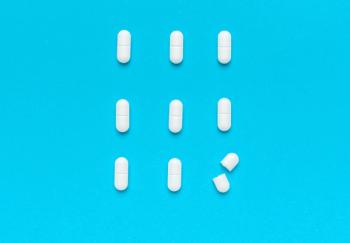
SSRI and SNRI antidepressants were deemed the safest classes of antidepressants in the event of excess dosing in an assessment of 14 antidepressants prescribed in the United States on 3 safety indices.
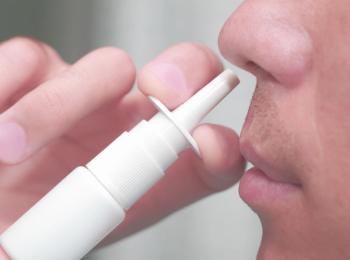
A supplemental New Drug Application has been submitted to the FDA seeking approval of esketamine (Spravato) CIII nasal spray as a monotherapy for adults with treatment-resistant depression.

This randomized, placebo-controlled, phase 3 clinical trial showed that a 14-day treatment course of oral zuranolone 50 mg/day in MDD led to significantly greater improvements in depressive symptoms when compared with placebo.

Research shows an increased risk for suicidal thoughts, suicide attempts, and even death by suicide following brain injury.
The weight-adjusted waist index was a stronger predictor of depressive symptoms than either body mass index or waist circumference.
New research found that among 8 first-line antidepressants, bupropion was associated with the least weight gain most consistently.

Here are highlights from the week in Psychiatric Times.
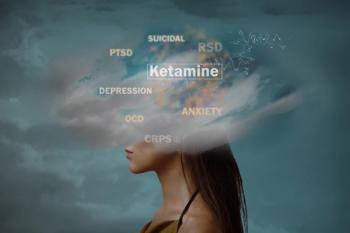
While ketamine is a not approved for the treatment of depression or chronic pain, clinicians have shown increased interest in using it for these conditions. An FDA workshop is exploring its potential.

Experts share the results from the first-in-human phase 1 study of this treatment, plus a preview of its upcoming phase 2 trial.

Experts present the results of a retrospective analysis of patients who received IV ketamine for TRD over a timeframe of up to 2 years.

Here are highlights from the week in Psychiatric Times.
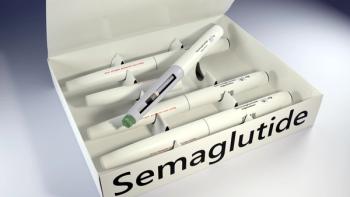
Recent research found approximately 60 documented cases of suicidal ideation and 7 suicide attempts associated with semaglutide use in patients.

Lumateperone 42 mg achieved statistically significant and clinically meaningful results in both the primary and the key secondary endpoints, according to new study.
Here are highlights from the week in Psychiatric Times.

Recent research sheds light on which antidepressants should be preferred as a first option for long-term use.
Here are highlights from the week in Psychiatric Times.

Andrew Krystal, MD, and Wayne Drevets, MD, share their thoughts on the recent seltorexant data presented at the 2024 ASCP Annual Meeting.

A poster presented at the 2024 ASCP Annual Meeting discussed the results of a study on the treatment for depressive symptoms in this patient population.

A poster presented at the 2024 ASCP Annual Meeting discussed the results of a study analyzing the treatment’s safety and efficacy in this patient population.

A poster presented at the 2024 ASCP Annual Meeting discusses the results of a systematic literature review.

Research on MDD treatments seltorexant and Spravato (esketamine) CIII nasal spray shared at 2024 ASCP Annual Meeting.

How can we enhance our lithium research?
Here are highlights from the week in Psychiatric Times.

A more useful measure than BMI or waist circumference? Researchers analyzed the association between weight-adjusted waist index and depressive symptoms.
Advertisement
Advertisement
Trending on Psychiatric Times
1
Comparison of Atypical Antipsychotics as Adjunctive Treatments for Major Depressive Disorder
2
Improving but Not Feeling It: Anticipatory Anhedonia and Cognition
3
ADHD Medications for Managing Menopausal Brain Fog: Improvements in Subjective Executive Function
4
Evidence-Based Ethical Principles for Long-Acting Injectable Antipsychotic Use
5