

Neuropsychiatry
Latest News

Advertisement
Latest Videos

Shorts
1:17
Understanding Neural Dynamics and Cognition
16 days ago
by
Bruno Averbeck, PhD
0:32
Can Psychiatric Medications Worsen Stuttering?
2 months ago
by
Gerald A. Maguire, MD
1:28
Brain Health: Neuroscience & Resilience
5 months ago
1:38
GLP-1s & Plasticity: How Insulin Affects the Brain
5 months ago
by
Roger S. McIntyre, MD, FRCPC
1:46
New Monoclonal Antibodies: Remternetug for Alzheimer Disease
6 months ago
by
Matan Dabora, MD, MBA(+1 more)
1:39
Donanemab Shows Robust Amyloid Lowering in Alzheimer Disease
6 months ago
by
Brandy Matthews, MD
1:28
Treating Comorbid ADHD Is Crucial in Patients With Autism
9 months ago
by
Benjamin E. Yerys, PhD
Podcasts





CME Content






Advertisement
More News

Recap Alzheimer disease updates from August.

Plasma P-tau217 blood tests match amyloid PET for early Alzheimer pathology, offering scalable, noninvasive detection and forecasting cognitive decline risk years ahead.
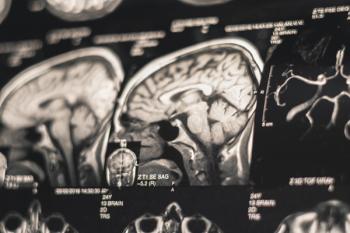
Impaired self-awareness is a frequent and impactful consequence of traumatic brain injury (TBI), occurring in as many as 40% to 80% of individuals with moderate-to-severe TBI. Deficits in self-awareness can negatively impact goal setting, treatment compliance, and motivation for therapy. Addressing this impairment through targeted interventions can improve rehabilitation outcomes, psychosocial adjustment, and community participation.

Experts unpack benzodiazepines in seniors: Beers Criteria, fall risk, Alzheimer bias, and practical low-dose, mindful prescribing strategies.

FDA clears a Parkinson disease wearable and fast-tracks ecopipam for pediatric Tourette syndrome, showing advances in neuropsychiatric care.

FDA approves PET imaging agent for Alzheimer disease tau pathology.

Explore new consensus guidelines on childhood stuttering, uniting psychiatry and neurology with practical treatment insights to improve patient care.
STARS experts redefine stuttering as a brain-based neuropsychiatric disorder, urging interdisciplinary care and warning dopamine-boosting ADHD or antidepressant meds may worsen symptoms.
Concussion recovery in teen athletes often masks anxiety or depression; learn warning signs, screening tips, and safer return-to-play steps.

New BEST teletraining helps people after TBI name emotions, reduce anxiety and anger, and boost resilience—early trials show promise.
New data show APOE4 worsens early sleep disruption in Alzheimer models; CN-105 and zolpidem restore deep sleep and may slow amyloid buildup.
Learn more about sleep issues and their relation to Alzheimer disease.

Explore the brain’s 5 monoamines—beyond serotonin and dopamine—revealing histamine, melatonin, and trace amines shaping sleep, appetite, and mood.

Blood exosomal microRNA markers reveal oxidative-stress subtypes, predict psychosis conversion, and guide early, targeted treatments like MitoQ.

New evidence shows CBT timed after ketamine boosts lasting depression relief; Yale tests digital therapy Rejoyn to scale the neuroplasticity window.

How psychiatric illness shapes cancer care and outcomes.
Analysis of speech, acoustics, and facial cues reveals early psychosis and suicide risk.
Studies link compassion and wisdom to less loneliness and richer gut microbiome diversity, pointing to gut–brain targets for mental health interventions.
Gut microbiome linked to loneliness, showing compassion-based wisdom may protect mental health over time.
Computational phenotyping reveals prodromal psychosis clues, connects biomarkers to symptoms, and shows why stress and cannabis reduction matters.

Phase 2 MINDFuL data show XPro trends toward cognitive and biomarker gains in inflammation-defined mild Alzheimer disease, with no ARIA, guiding phase 3 plans.

Anosognosia drives untreated schizophrenia into homelessness and jail. Here's why civil care fails and how structured treatment can decrease the number of arrests.

Learn how genetics shape psych med response and dosing.

Explore how neuromelanin-sensitive MRI noninvasively tracks long-term dopamine and noradrenaline system changes.

Low soluble α2δ‑1 disrupts brain excitation‑inhibition balance in schizophrenia.
Advertisement
Advertisement
Trending on Psychiatric Times
1
Olanzapine LAI (Weltruza) Receives FDA Approval for Schizophrenia
2
Moving Away From Treatment-Resistant Depression and Toward Difficult-to-Treat Depression
3
Clozapine Remains Underused After REMS Elimination: A Conversation With Jose Rubio, MD, PhD
4
Should Postpartum Psychosis Be Included in the DSM?
5