



Neuropsychiatry
Latest News

Advertisement
Latest Videos



CME Content






Advertisement
More News

Frontal lobe syndrome can present with a range of behaviors that do not meet traditional dementia/neurocognitive disorder criteria.

The new formulation was approved to help patients with tardive dyskinesia who have trouble swallowing.

How can consultation-liaison psychiatry help identify BPD and facilitate effective communication between patients and medical teams during these patients’ admissions?

Here are some updates from the world of psychiatry throughout the month of March.

The treatment significantly reduced the frequency of cataplexy attacks in patients with narcolepsy compared with placebo.

In this CME article, review the principles and applications of both invasive and noninvasive neuromodulation techniques for the treatment of mood disorders.
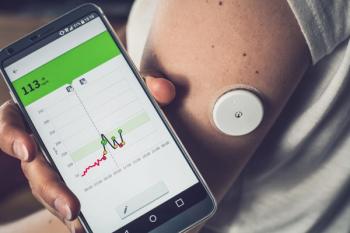
A new study found that when glucose is either very high or low in patients with type 1 diabetes, cognition is slower; however, slightly above average glucose led to peak cognitive performance.

From mild cognitive impairment and serotonin system degeneration to an update on pimavanserin for negative symptoms of schizophrenia, here are highlights from the week in Psychiatric Times.

“If we can show that serotonin loss over time is directly involved in the transition from mild cognitive impairment to Alzheimer disease, recently developed antidepressant medications may be an effective way to improve memory deficits and depressive symptoms and, thus, may be a powerful way forward to slow disease progression.”

From an update on Prism for PTSD to the efficacy of home-use transcranial direct current stimulation for MDD, here are highlights from the week in Psychiatric Times.

New research on transcranial direct current stimulation effectiveness in treating major depressive disorder.

What is new in research on cannabis?

The screening tool includes multiple tests that assess memory, attention, executive function, reaction times, and motor function.

The therapy is the first self-neuromodulation device for PTSD approved by the US Food and Drug Administration.

“Can I use this at home?” Researchers performed a randomized clinical trial of home-use transcranial direct current stimulation in patients with depression.
What is new in research on ADHD?
Here are some updates from the world of psychiatry throughout the month of February.
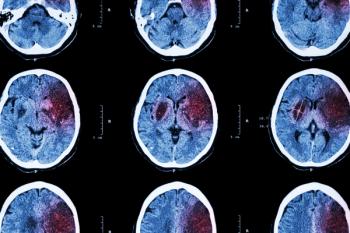
Neuropsychiatric disorders regularly occur following traumatic brain injury and are often diagnosed within the first year postinjury. Diagnosis and treatment of neuropsychiatric disorders can be difficult due to a number of interacting factors, such as preinjury psychiatric history, lesion location, injury severity, substance misuse, and psychosocial complications. Clinicians should use a highly individualized approach to diagnosis and treatment planning.

Psychiatric Times highlighted takeaways from the 2023 American College of Neuropsychopharmacology Annual Meeting in our February issue. Don't miss out on these important conference clinical pearls!

Available evidence from preclinical studies indicates that semaglutide shows promise for treating Alzheimer disease and Parkinson disease.
One meta-analysis that included data from 6 placebo-controlled and 7 active-controlled studies using subcutaneous semaglutide found that when compared with placebo, subcutaneous semaglutide 0.5 mg and 1 mg reduced hemoglobin A1c (HbA1c) by 1.01% and 1.38%, respectively.
From pain and suicidality in patients with depression to digital mental health interventions for adolescents with eating disorders, here are highlights from the week in Psychiatric Times.
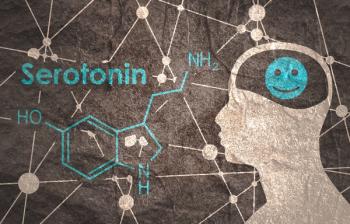
A new study correlates reduced serotonin transporter and increased amyloid-ß deposition with cognitive deficits in mild cognitive impairment, suggesting a role for serotonergics in early Alzheimer disease.
From the impact of BMI on clinical features of bipolar disorder to FDA approval of the first integrated TMS system for MDD and OCD, here are highlights from the week in Psychiatric Times.
What is new in research on depression?
Advertisement
Advertisement
Trending on Psychiatric Times
1
Improving but Not Feeling It: Anticipatory Anhedonia and Cognition
2
Comparison of Atypical Antipsychotics as Adjunctive Treatments for Major Depressive Disorder
3
ADHD Medications for Managing Menopausal Brain Fog: Improvements in Subjective Executive Function
4
What Do Patient-Level Studies Tell Us About Antidepressants and Suicide Risk?
5