
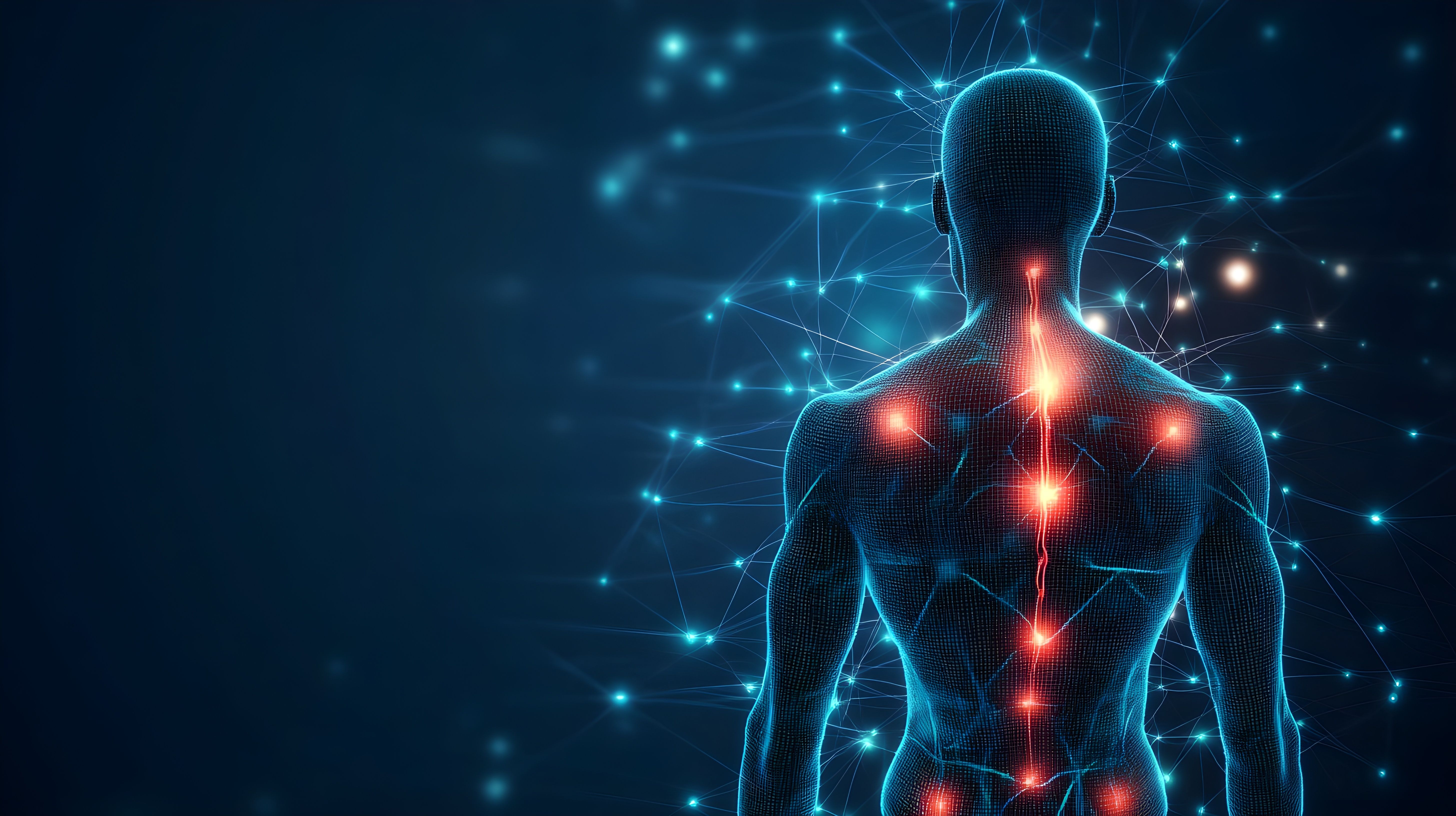
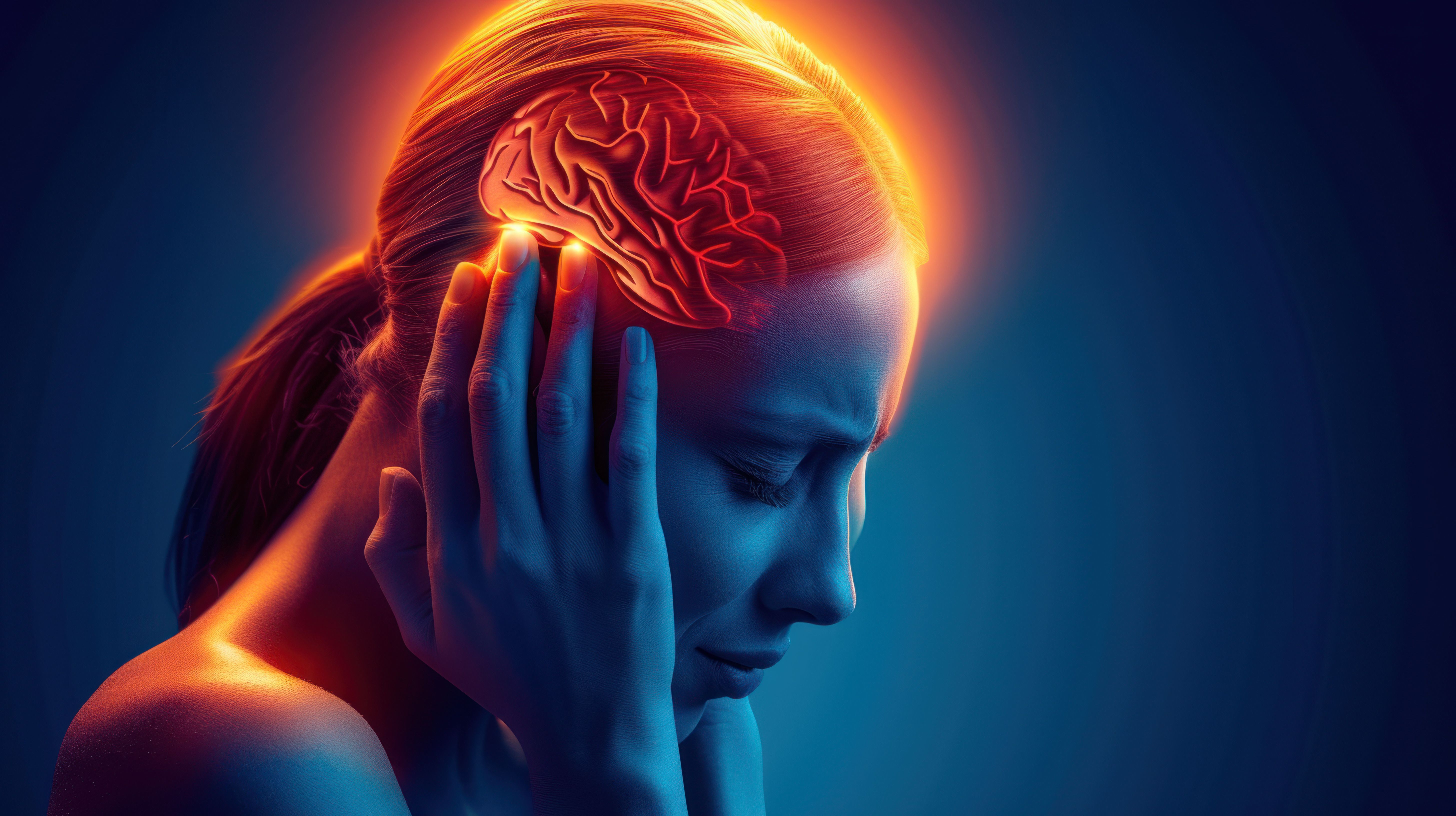











The FDA has cleared the IND application for MIRA Pharmaceuticals' Ketamir-2, a promising oral treatment for neuropathic pain, which has shown superior efficacy and safety in preclinical studies.
The FDA has cleared the IND application for MIRA Pharmaceuticals' Ketamir-2, a promising oral treatment for neuropathic pain, which has shown superior efficacy and safety in preclinical studies.

Pain is escalating…
Pain can have a substantial impact on sleep quality and quality of life.

The first and only treatment to use proprietary precision olfactory delivery technology to deliver DHE to the upper nasal cavity just received FDA approval.

How is “disease” defined? A popular criticism of psychiatry gets debunked.
With a broader and multifaceted understanding of pain, patient care can move from a focus on eradicating pain, as based on objective pain scores, to improving the patient’s quality of life, while simultaneously decreasing pain to a level that is acceptable to the individual patient.

A driving force.

Pain as a cultural construct considers conscious and unconscious biases, as well as methods for assessing and managing pain in all patient populations, including those with mental health challenges.

Two recent papers look at the subtle and surprising links between smoking and pain in different parts of the body.
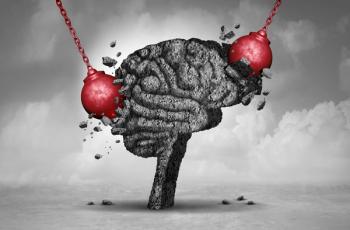
The high co-occurrence of chronic pain and PTSD and their possible entanglement underline the importance of conducting assessment for both conditions.

Pain may not often be considered within the realm of psychiatry; however, chronic pain's relationships with sleep disorders and PTSD make it an issue psychiatrists can—and should—address.

Sleep disturbance and chronic pain work together to cause misery for patients, with one exacerbating the other. Here: Tips to address both and bring peace to patients.

The psychiatric prescribing clinician may be called upon to treat pain comorbid with bipolar disorder.
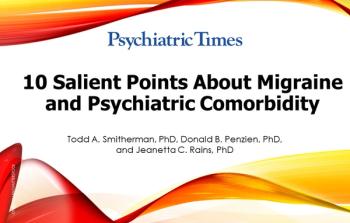
Where do migraines and psychiatric disorders intersect? Learn more.

With most chronic pain conditions, the exact pathology is uncertain. In such cases, psychiatrists may be called to assess for illness beyond medical diagnosis.

Pain is not uncommon for patients who have undergone amputation, and without effective treatment, pain can linger for years.

For the millions of patients whose pain is being treated with opioids, mind-body interventions are proving to be important considerations to ease suffering.
Judgements and settlements are starting in Oklahoma against various pharmaceutical companies for their alleged roles in that state’s opioid crisis. Who would be the beneficiaries of these funds?

The association between psychiatric disorders, most notably depression and anxiety, and pain is well established. However, mental health professionals, and especially psychiatrists, are still often excluded from treating patients with pain.

Test your knowledge on traumatic brain injuries (TBI) and their resultant effects on cognitive function and mental health.
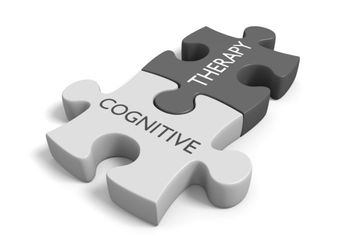
Although it is still widely believed that the management of chronic pain usually requires medications or physical interventions, a growing body of research has demonstrated the efficacy of psychological therapeutic modalities.

Research published more than 25 years ago was already reporting problems with opioid analgesics.
Take this quiz on one of the most controversial diagnoses in pain management.

Whether marijuana use should be legalized is a subject worthy for debate. It is unfair, however, for patients who have real health problems to be misled into believing that there is a magical cure.

There are probably few health care professionals who are unaware of the concerns about the apparent overprescription of opioids. However, we have had only limited information on how good a job physicians may actually be doing in prescribing these medications.